
Last updated November 23, 2026
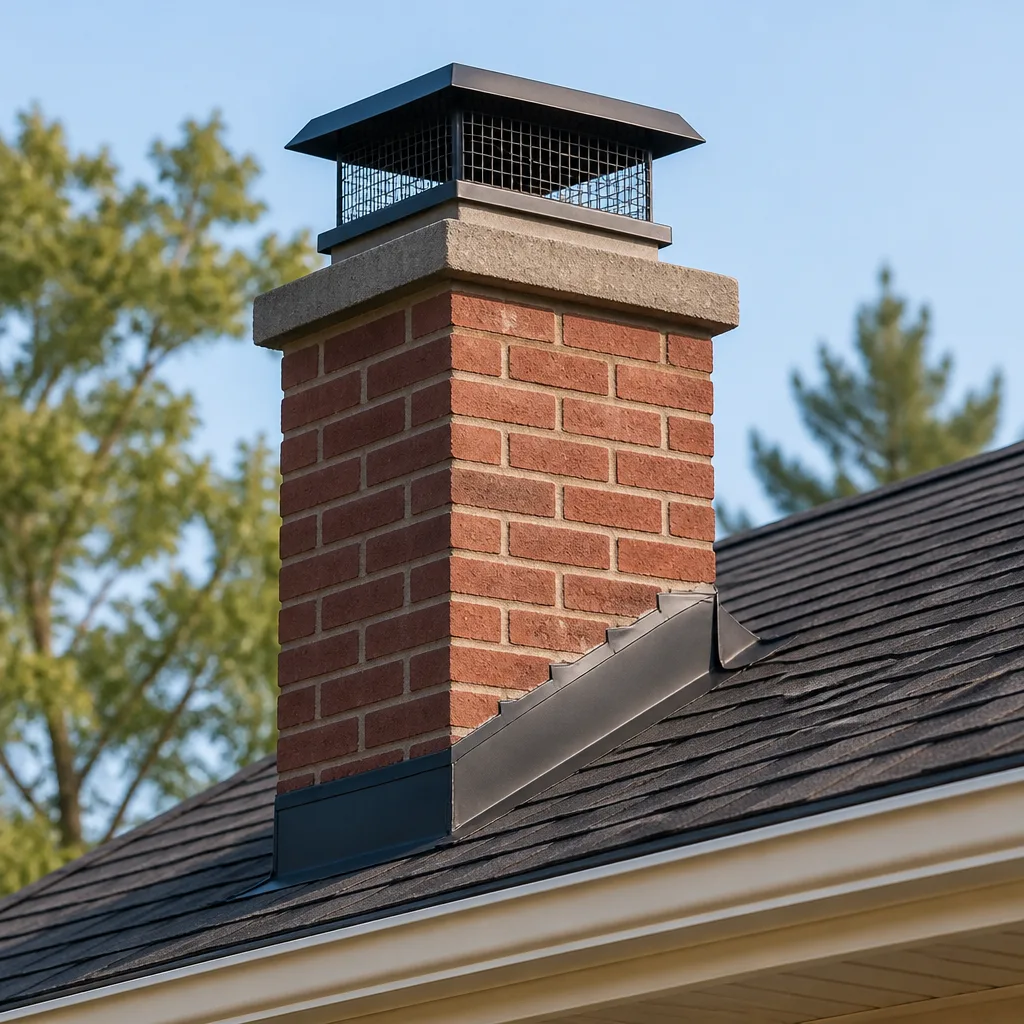 Sweep & inspection
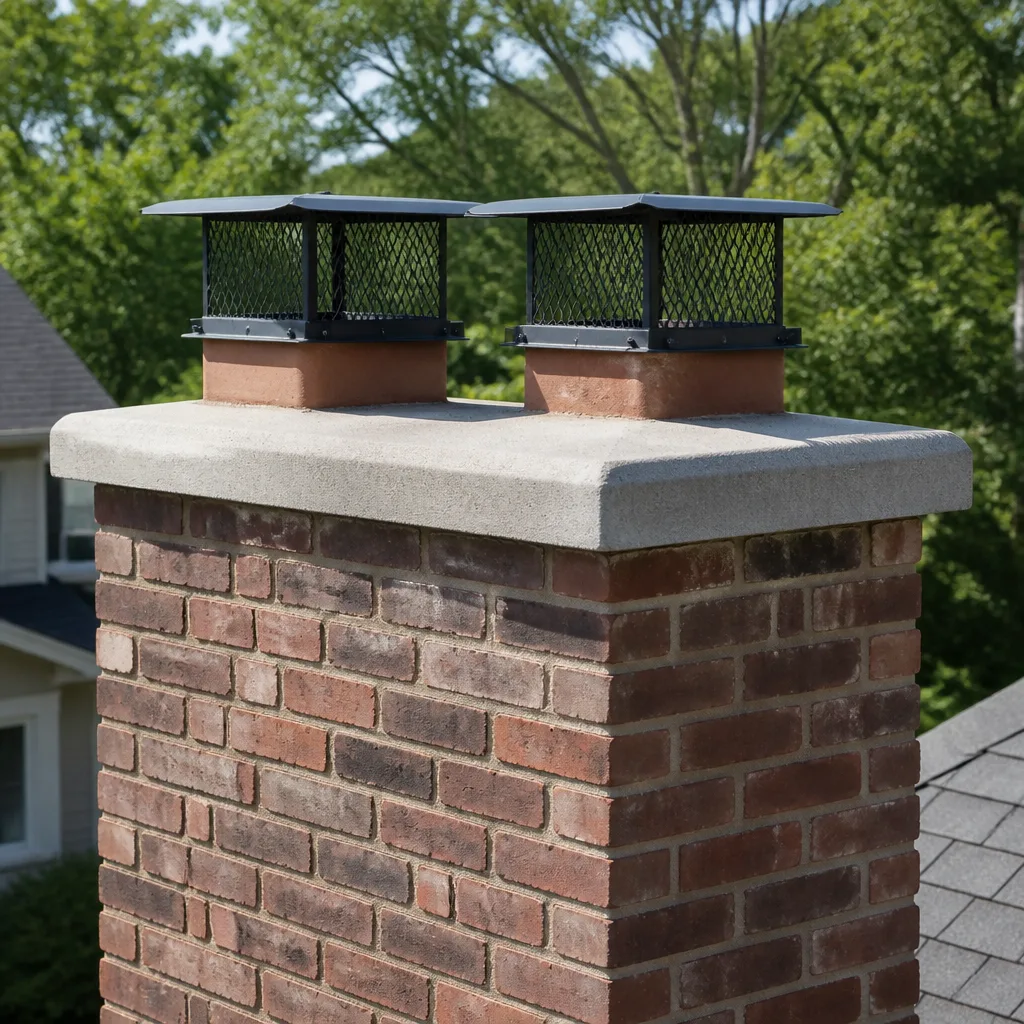 Caps & crowns
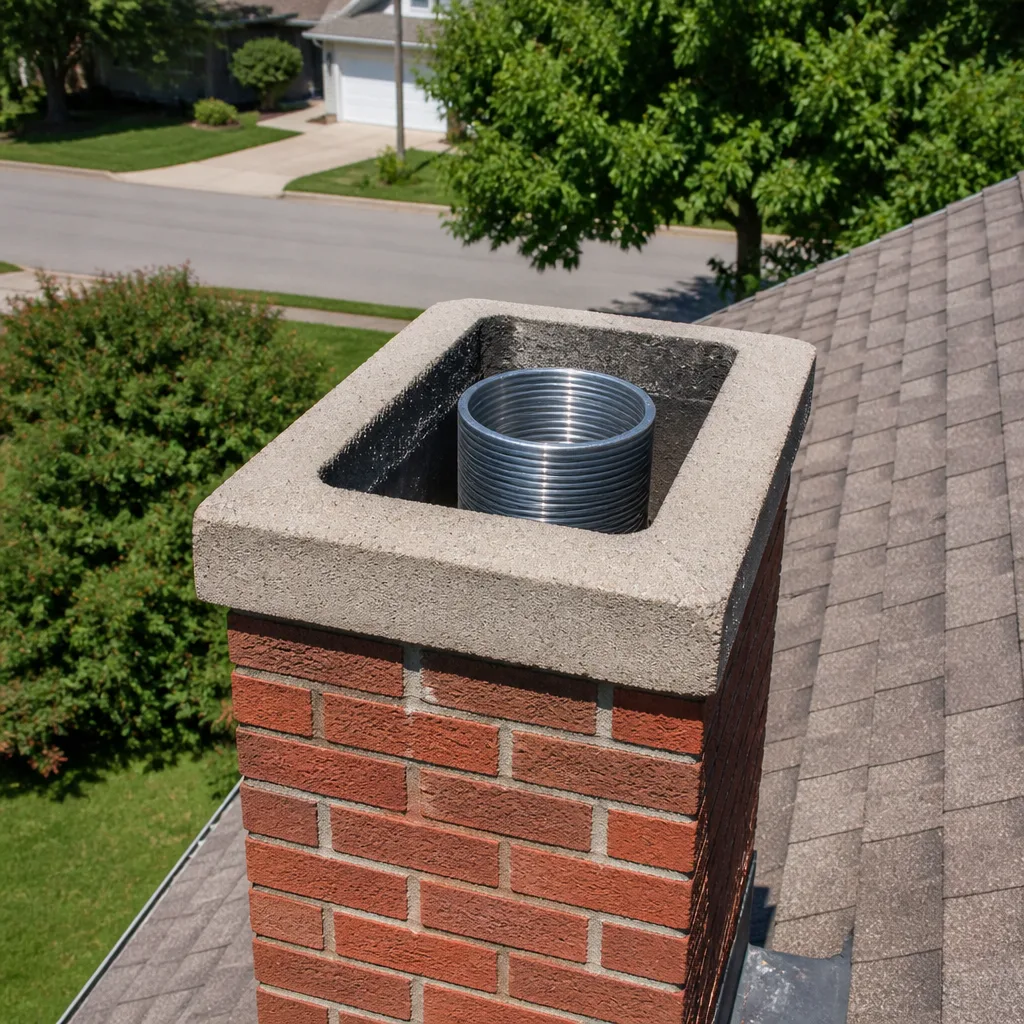 Flue relining
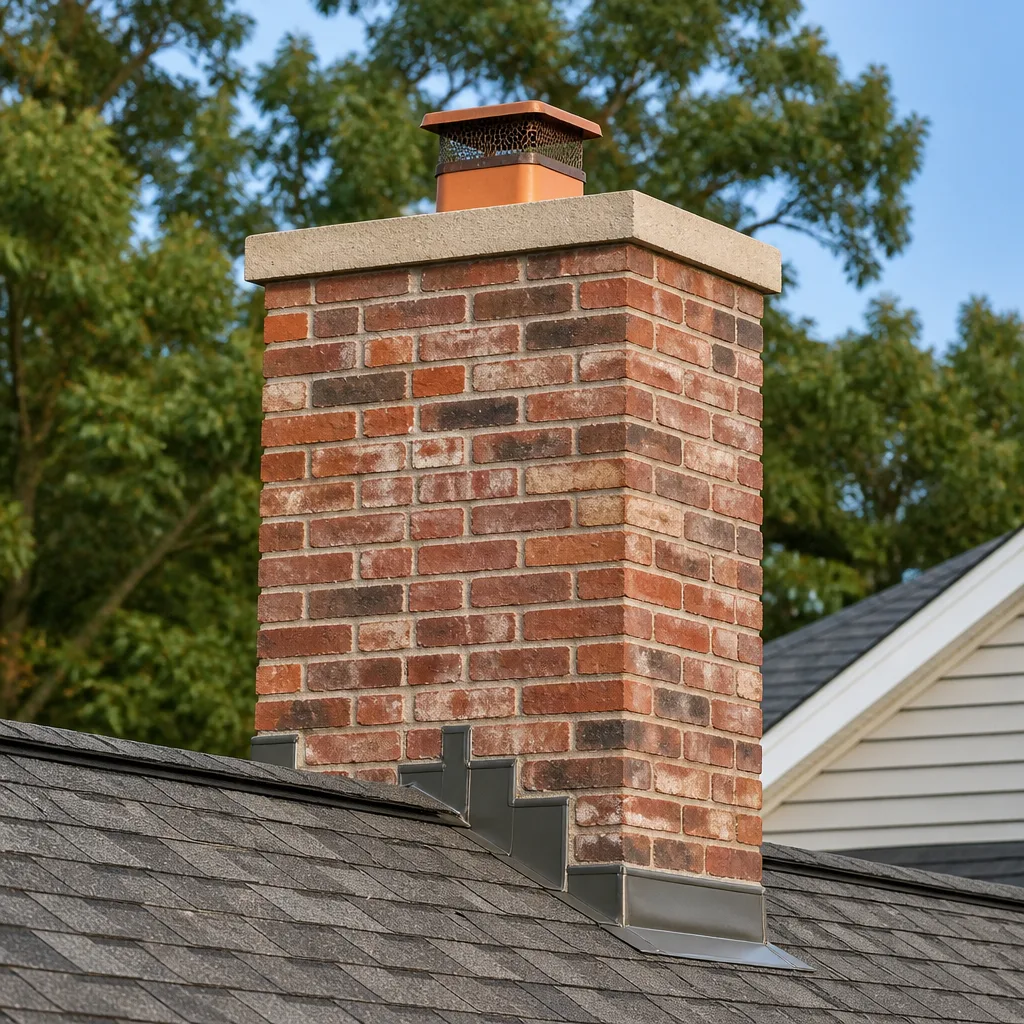 Masonry repair
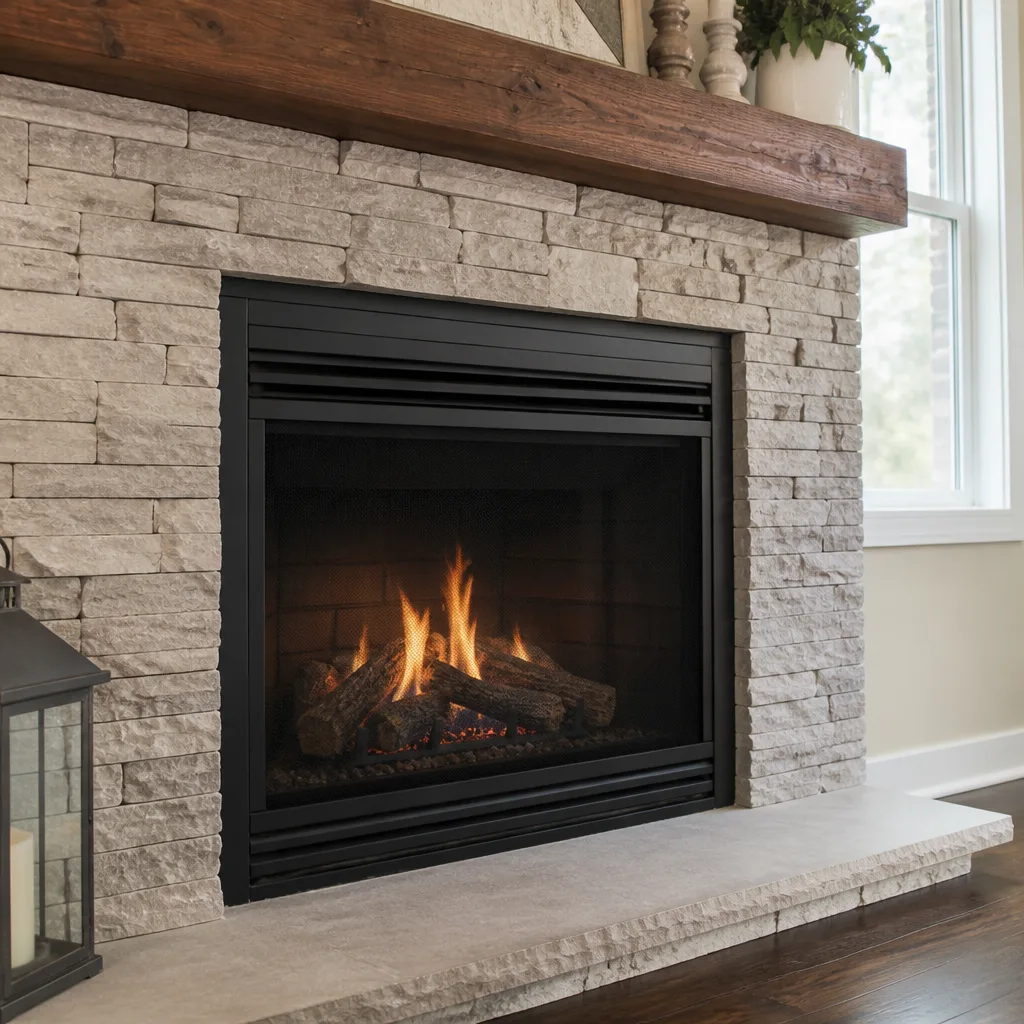 Gas fireplace service
Level 1 sweep and inspection to the NFPA 211 annual standard - flue, crown, cap, and flashing checked and photographed
Chimney sweep logs do not sweep chimneys. They loosen some creosote - which then falls where a brush and vacuum still have to collect it.
The Complete Guide to Chimney Cleaning in Garden Grove
Most Garden Grove homeowners assume their chimney is fine because they barely use it. A fire on a cool December evening, maybe a handful more through the winter, and the fireplace sits quiet the rest of the year. That light usage feels safe. In practice, it’s the pattern that causes the most trouble we see in this city. A chimney that burns occasionally collects small amounts of creosote and moisture, then sits idle for months while debris drops down the flue and humidity works on the masonry. This guide covers what chimney cleaning in Garden Grove actually involves, how our mild climate changes the job, and what to check before you book anything.
Quick Answer
A chimney cleaning in Garden Grove removes soot, creosote, and debris from the firebox, smoke chamber, and flue, then finishes with an inspection to confirm the chimney is safe to use. Most homes here need a sweep and a Level 1 inspection once a year, even with light burning, because debris and moisture buildup matter more than heavy creosote in this climate. If you’ve noticed smoke rolling into the room, a musty odor, or nesting material near the cap, book a Level 2 inspection instead.
Styles & brands we work with
- Sweep & inspection
- Caps & crowns
- Flue relining
- Masonry repair
- Gas fireplace service
Table of Contents
- Why Chimney Cleaning in Garden Grove Is Different From Cold-Climate Advice
- Debris Blockages: The Main Hazard in Garden Grove Chimneys
- What a Full Chimney Cleaning Actually Involves
- Level 1 vs. Level 2 Inspection: Which One Do You Need?
- Why Trade-Grade Vacuum Systems Matter
- What Does Chimney Cleaning Cost in Garden Grove?
- Can You Clean a Chimney Yourself?
- How Often Should a Garden Grove Chimney Be Cleaned?
Why Chimney Cleaning in Garden Grove Is Different From Cold-Climate Advice
Search for chimney cleaning advice and most of what you find was written for New England, the Midwest, or mountain towns. That guidance assumes a chimney that burns hard from October to March, builds up thick creosote fast, and needs sweeping to prevent a chimney fire from heavy deposits. Garden Grove doesn’t work that way. Winters here are mild, burning is sporadic, and the problems that develop are quieter and slower.
When a chimney burns regularly and hot, creosote tends to form in glazed, brittle layers higher in the flue. When a chimney burns a few times a month and then sits, the deposits look different. You get light, flaky creosote and soot scattered through the flue, often mixed with debris that falls in from above. That mixture absorbs moisture. Over a long dry season and then a damp winter, it can cling to the liner and start the corrosion process on a metal flue or the spalling process on masonry.
Our technicians have up to 9 years of experience, and much of what they find in Garden Grove chimneys isn’t dramatic. It’s a thin, sticky film of soot and creosote sitting where it shouldn’t, plus a layer of leaf litter and grit at the smoke shelf. Left alone year after year, that combination is what shortens a chimney’s life.
Three local factors shape the job here:
- Long idle stretches. A chimney that goes unused from spring to late fall gives moisture and debris months to settle and bond to surfaces.
- Sporadic burn temperatures. Occasional fires don’t always get hot enough to burn off light deposits, so they accumulate in small increments.
- Dry-season debris. The months without rain let leaves, seed pods, and nesting material collect on top of and inside the flue.
The takeaway is simple: in Garden Grove, chimney cleaning is less about scraping off heavy creosote and more about clearing out what shouldn’t be there and checking what the idle months have done to the liner and masonry. If you want the short version of the service itself, our chimney sweep page covers the basics.
Debris Blockages: The Main Hazard in Garden Grove Chimneys
If you ask a homeowner in a cold climate what worries them about their chimney, they’ll usually say creosote and chimney fires. Here, the more common problem is a blocked flue. Garden Grove has plenty of mature trees, and palms and eucalyptus in particular shed a steady supply of fronds, seed pods, and dry litter. Add birds looking for a sheltered spot to nest and you have a flue that can partially or fully close up between cleanings.
A blocked flue doesn’t announce itself. Smoke may drift back into the room when you light a fire. The draft may feel weak. You might smell a stale, smoky odor on warm days even with no fire burning. All of those point to restricted airflow, and the cause is often debris rather than creosote.
This is why we look at the top of the chimney as carefully as the bottom. Here’s what a debris check covers:
- Cap condition. A missing, loose, or damaged cap is an open door for birds, squirrels, and leaf litter. We check that the cap is intact and properly sized to the flue.
- Crown inspection. Cracks in the crown let water in and let debris collect in the gaps. A cracked crown is also one of the most common sources of slow water damage to the chimney structure.
- Flue blockage. We look down the flue for nests, frond fragments, and debris piled on the smoke shelf, then clear it before sweeping.
- Draft test. After clearing, we confirm the chimney pulls air the way it should.
Bird nests deserve a specific mention. They’re flammable, they block airflow, and they often come with parasites. If you’ve heard scratching or chirping from the chimney, don’t light a fire until it’s been checked and cleared. Once the flue is clear, a properly fitted cap keeps the problem from coming back. Cap and crown installation is one of our core services, and it’s the single most effective step for keeping debris and water out of a Garden Grove chimney.
What a Full Chimney Cleaning Actually Involves
A proper cleaning works from the top down and the bottom up at the same time, and it covers four distinct parts of the system. A quick brush-and-go doesn’t. Here’s what a full-service cleaning should include at each component.
Firebox
The firebox is where ash, soot, and unburned material collect. We remove the ash, clean the walls and floor, and check the firebrick and mortar joints for cracks. Damaged firebrick lets heat reach the structure behind it, so this isn’t cosmetic. If the firebox needs masonry work, that falls under fireplace repair rather than cleaning, and we’ll tell you which one you’re looking at.
Smoke Chamber
The smoke chamber is the sloped area just above the damper. It’s the most neglected part of most chimneys because it’s hard to reach and easy to skip. Soot and creosote cling to its rough surfaces, and the slope is often too shallow to draft well. We clean the smoke chamber walls and, where the surface is rough or damaged, can apply HeatShield resurfacing to smooth it. A properly smoothed smoke chamber improves draft and reduces how much soot sticks next season.
Liner
The liner carries smoke and gases out of the house. We clean it with appropriately sized brushes matched to the flue type, then inspect it for cracks, gaps, and corrosion. A damaged liner is a safety issue, not a maintenance item, because it’s what keeps combustion gases inside the flue. When a liner is compromised, options range from HeatShield resurfacing, which restores a damaged flue interior without a full replacement, to a structural reline using a flexible DuraFlex liner system. Both are trade-grade approaches used by chimney professionals, and we’ll recommend the least invasive path that actually solves the problem.
Crown and Cap
The crown is the concrete cap at the top of the masonry, and the cap is the metal or mesh cover over the flue. Together they’re the chimney’s roof. We check both for cracks, gaps, and fit, then repair or install as needed. This step is where a lot of long-term water damage gets prevented.
One call covers the whole picture: cleaning, inspection, repair, and protection. You won’t need to line up a separate sweep, mason, and roofer to get a straight answer about your chimney.
Level 1 vs. Level 2 Inspection: Which One Do You Need?
Chimney inspections come in standardized levels, and knowing the difference helps you avoid paying for the wrong one. A Level 1 inspection is a visual check of the accessible parts of the chimney and fireplace with the tools you’d normally have on hand. A Level 2 inspection goes further, using a camera to examine the interior of the flue and checking accessible areas of the attic, crawl space, and chimney exterior.
Here’s the practical breakdown for Garden Grove homeowners:
- Level 1 fits a chimney that’s in regular use with no known problems, and it’s typically done alongside an annual cleaning.
- Level 2 is the right call when something has changed: a new appliance connected to the flue, a chimney that’s changed fuel type, a home you’ve just bought, or any sign of a problem like smoke backup, odor, or visible damage.
A camera inspection is the difference-maker. It lets you see the inside of your own flue on a screen, which matters if you’ve ever been told you need thousands of dollars of liner work and had no way to verify it. We don’t recommend repair without evidence you can see for yourself, and we’ll tell you plainly when work can wait.
If you’re preparing a home for sale, a Level 2 inspection with a documented report is usually what buyers and their inspectors want to see. For structural problems the camera reveals, our chimney repair service covers everything from masonry patching to full relining.
Why Trade-Grade Vacuum Systems Matter
Chimney cleaning creates a lot of fine soot, and where that soot goes matters as much as how well the flue gets cleaned. A shop vacuum isn’t built for this. Its filter clogs quickly, its airflow drops, and fine soot particles get pushed back into the room instead of captured. You end up with a dusting of soot on furniture and a faint smoky smell for days.
Professional cleaning uses a HEPA-filtered vacuum system with enough airflow to maintain negative pressure in the firebox while the flue is being brushed. Negative pressure means air is always moving into the vacuum, not out into your living room. That’s what keeps the job clean and the air in your home unaffected.
Alongside the vacuum, we use drop cloths and proper sealing around the firebox opening. If a company shows up with a shop vac and a hand brush, that tells you something about how the rest of the job will go.
What Does Chimney Cleaning Cost in Garden Grove?
Chimney cleaning in Garden Grove typically runs in the range you’d expect for a full-service sweep with an inspection included, and the final price depends on the flue type, how much buildup is present, and whether any repair work is needed. We work from a written estimate, so the number you’re quoted is the number for the job.
Typical estimated ranges for common services look like this:
| Service | Typical Estimated Range |
|---|---|
| Standard sweep with Level 1 inspection | Modest base service cost; varies by flue type and buildup |
| Level 2 camera inspection | Higher than a Level 1, priced per flue |
| Chimney cap installation | Priced by cap type and flue size |
| Crown repair or rebuild | Priced by crown size and condition |
| HeatShield flue resurfacing | Priced per flue; often less than a full reline |
| DuraFlex liner installation | Priced by liner length and diameter |
We’re deliberately not quoting dollar figures here, because a number pulled from a generic price list won’t match your chimney. What we will do is give you a written estimate before any work begins, and we’ll separate what’s necessary from what’s optional so you can decide. If you want a firmer sense of the market, ask any company you call to put the scope and price in writing before they start.
The estimate is free. Call (877) 770-1311 for an exact quote on your chimney.
Can You Clean a Chimney Yourself?
We’d steer you away from it, and not because we want the job. Chimney cleaning involves working on a roof, reaching into a flue, and managing fine soot that’s difficult to contain. The parts that go wrong tend to go wrong badly.
The main risks:
- Falling. Roof work is the obvious hazard. A slip on a pitched roof or a misstep near the edge causes serious injuries.
- Soot in the home. Without a trade-grade vacuum, soot spreads through the living space and settles into upholstery and ductwork.
- Damaging the liner. The wrong brush on a metal liner or a clay tile flue can crack tiles or scratch the liner surface, creating a problem that wasn’t there before.
- Missing the real issue. A homeowner can clear visible soot and still miss a cracked crown, a damaged liner, or a partial blockage higher up.
The cleaning itself isn’t the risky part. Safety around heights, fire, and combustion gases is. We recommend a trained professional for anything beyond routine visual checking, and we’ll always flag what we find rather than quietly fixing it and sending a bill.
How Often Should a Garden Grove Chimney Be Cleaned?
Once a year is the standard recommendation for a chimney in regular use, and that applies in Garden Grove even with light burning. The reason isn’t heavy creosote. It’s the combination of seasonal debris, moisture exposure during the idle months, and the slow accumulation of soot that builds up over a year of occasional fires.
Think about the rhythm of a typical year here. Fires are most common in the cooler months, then the chimney sits from spring through fall. During those idle months, leaves and fronds drop onto the cap, birds look for nesting spots, and any moisture that gets past a cracked crown or loose cap works on the masonry. By the time you light the first fire of the season, the chimney has had months to collect problems.
That’s why we suggest booking a sweep before the first cool evenings arrive, not after. It’s easier to schedule, and you’ll know the chimney is clear and sound before you need it. If you notice smoke backup, a smoky odor, or visible damage at any point during the year, don’t wait for the annual appointment. Book an inspection.
Common Mistakes to Avoid
- Skipping the sweep because you barely burn. Light usage is exactly the pattern that lets moisture and debris settle in. A garden-variety Garden Grove chimney that sees a dozen fires a year still needs an annual cleaning.
- Ignoring the cap. A missing or damaged cap is the most common way debris and water get into a chimney. Have it checked and replaced if needed.
- Lighting a fire with a blocked flue. If you hear birds, smell something stale, or see smoke drift into the room, stop and get the flue inspected before you burn anything.
- Trusting a shop-vac cleaning. Soot gets pushed back into the room and the job looks done when it isn’t. Ask what vacuum system a company uses.
- Accepting a liner replacement without seeing the evidence. Ask for a camera inspection and a look at the footage. Any reputable company will show you what it found.
- Neglecting the crown. Cracks in the crown let water into the masonry, and that damage is slow and easy to miss until it’s expensive.
- Assuming a general handyman can handle liner work. Structural relining and HeatShield resurfacing call for trade-grade materials and specific technique. Ask what brands and methods a company uses.
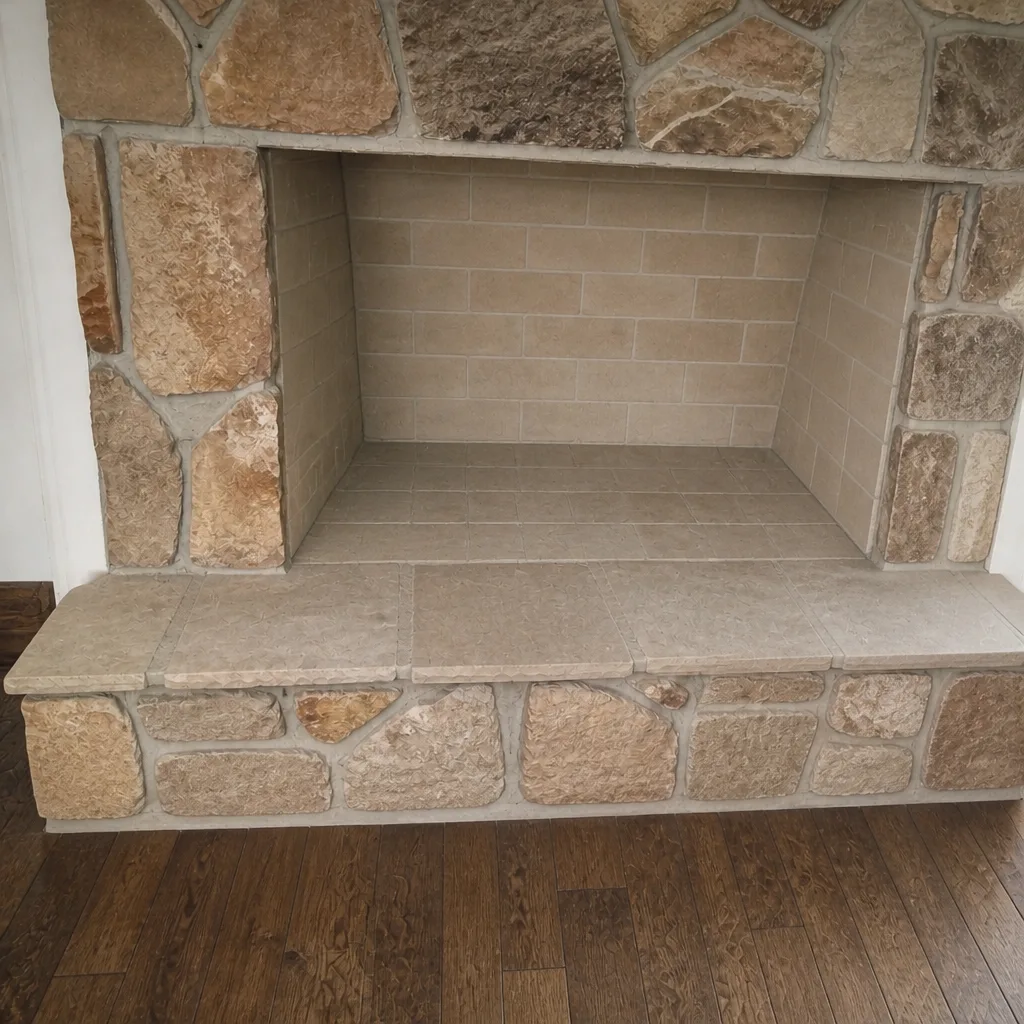
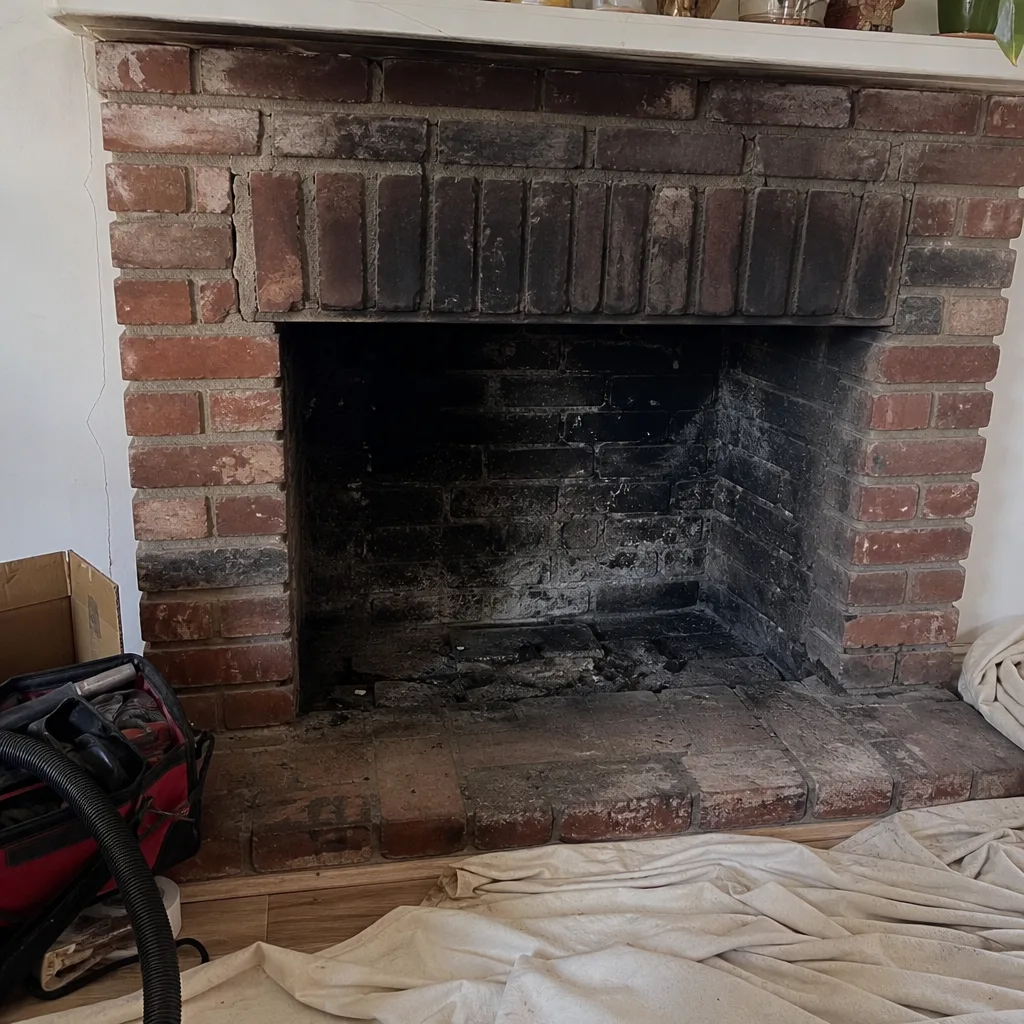
See the difference
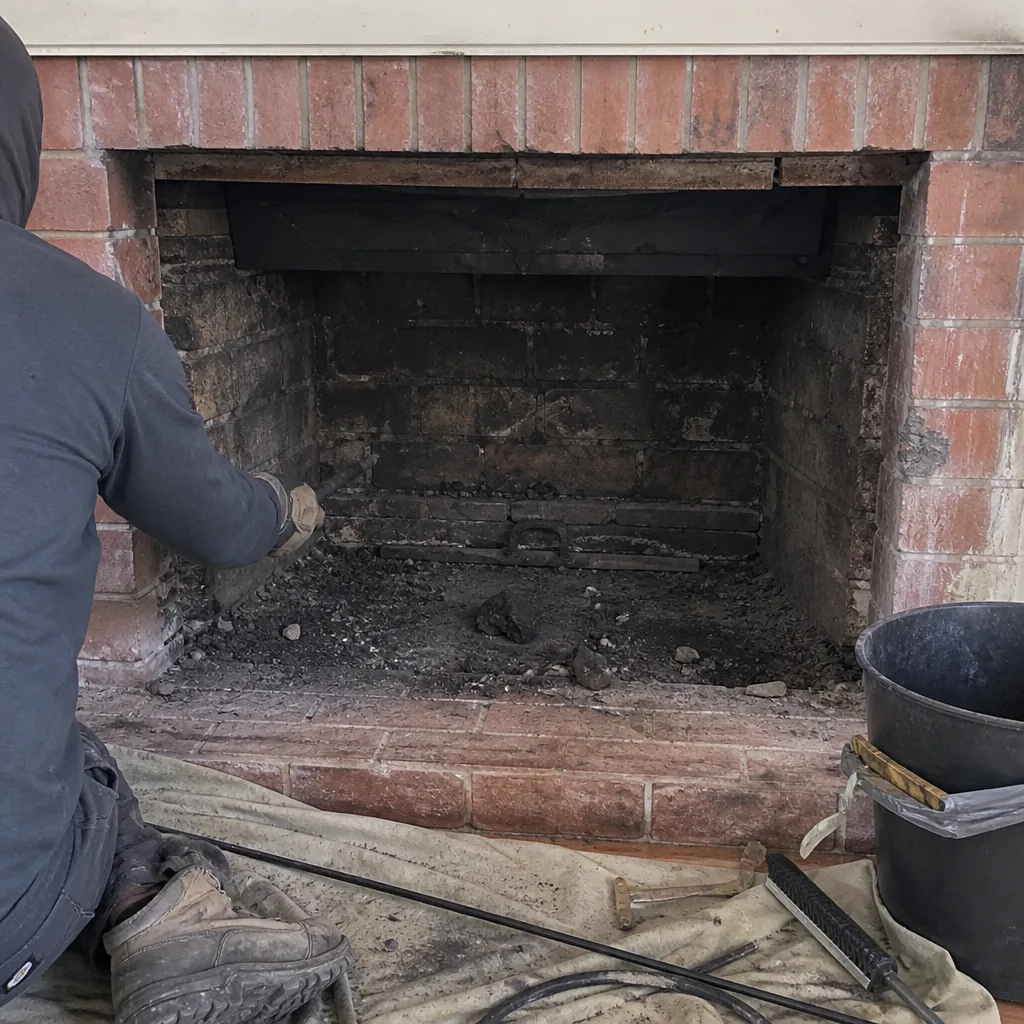 Before
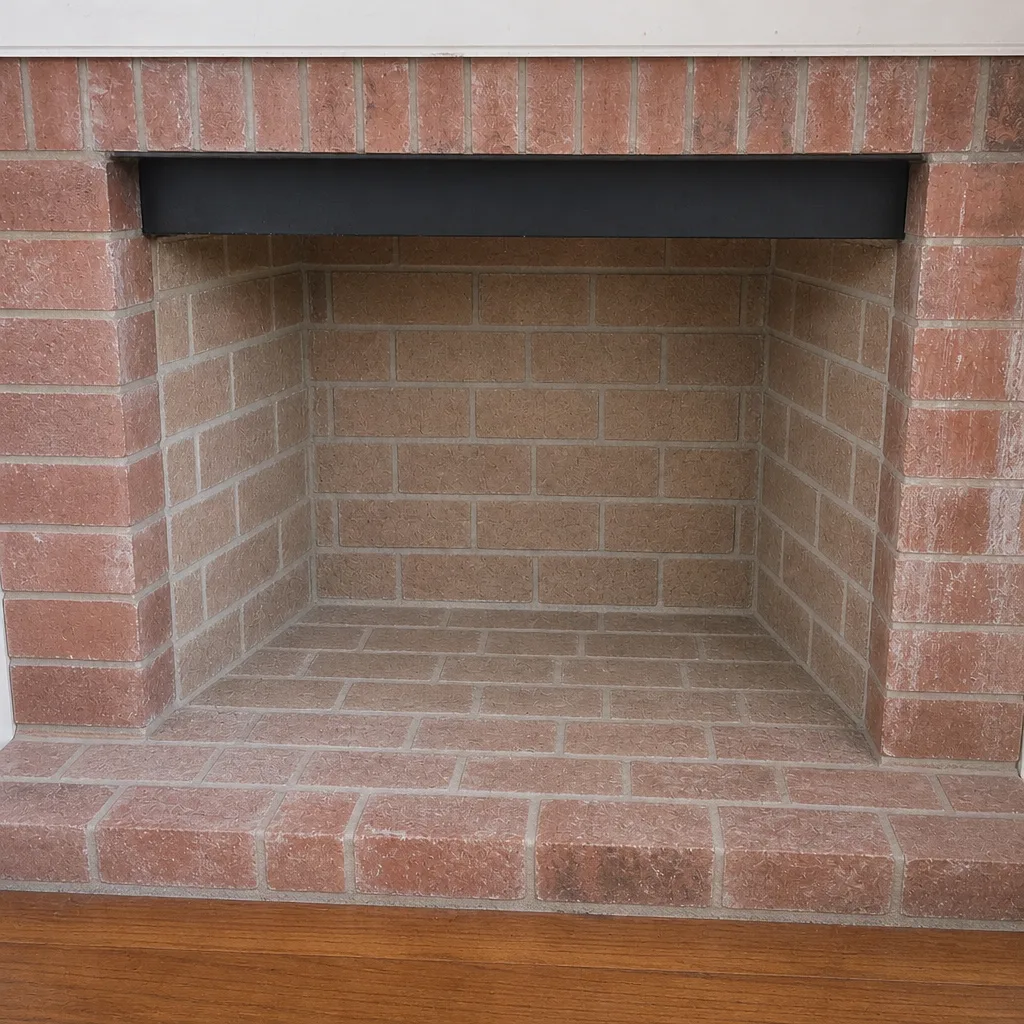 After
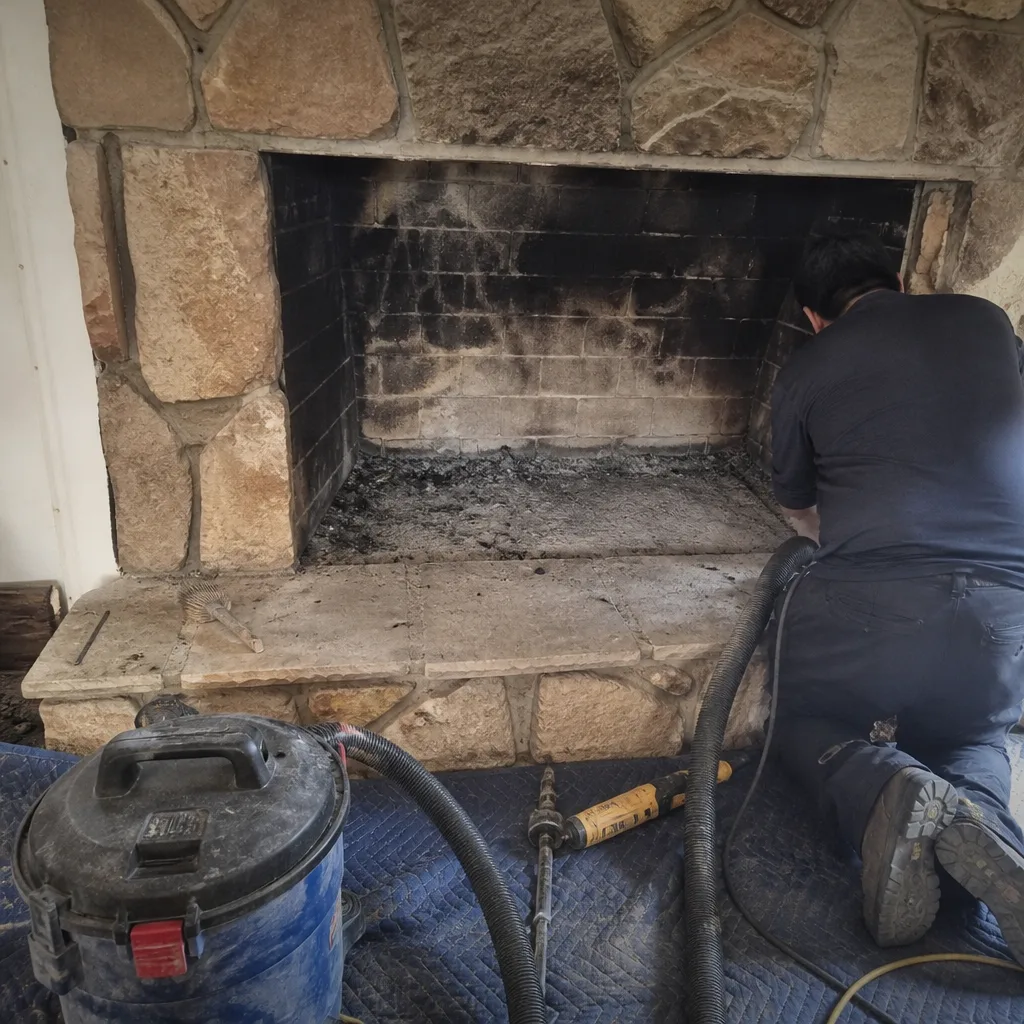 Before
 After
 Before
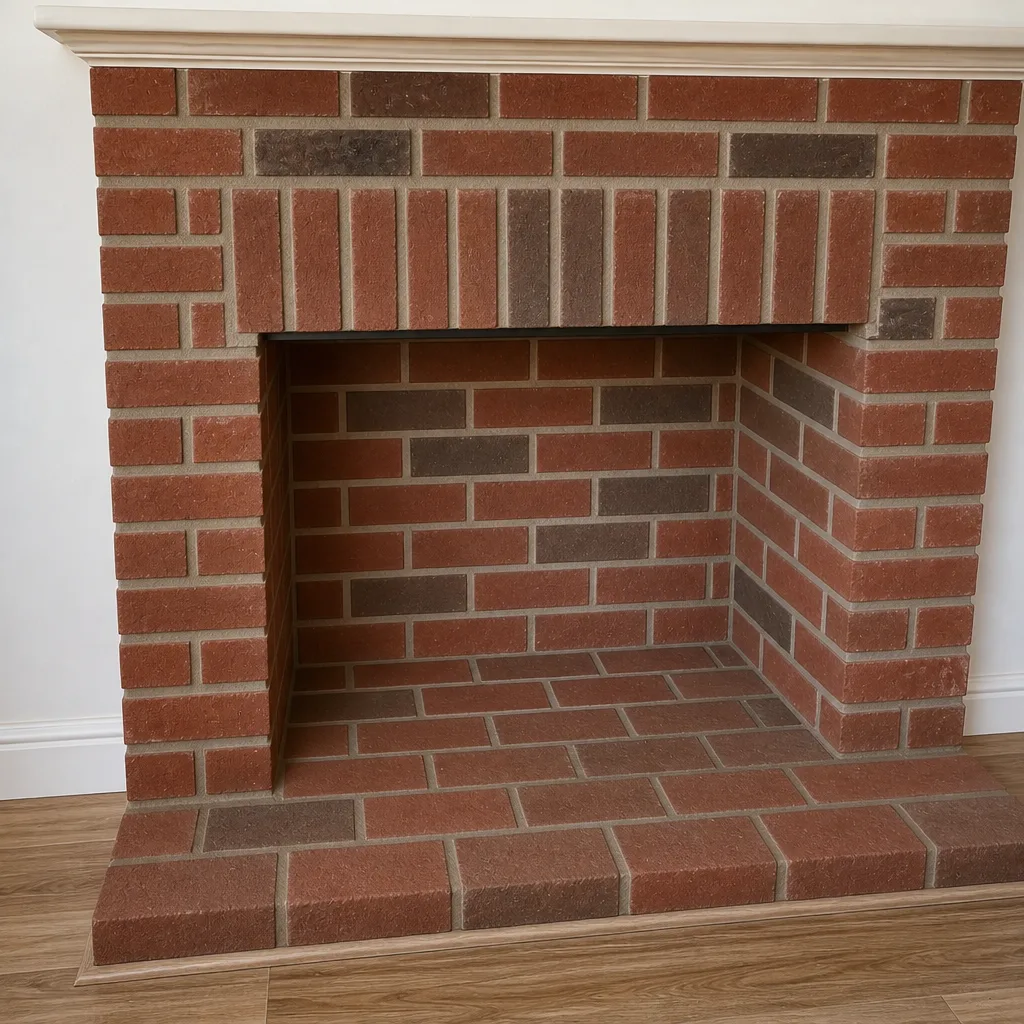 After
When to Call a Professional
Call a professional if it’s been a year or more since your last cleaning, if you’re buying or selling a home and need documented chimney condition, or if you’ve noticed any of the warning signs we’ve covered: smoke backing up, a smoky or musty odor, a weak draft, or debris visible from the ground. Those signs usually mean a blockage, a damaged liner, or a failing cap or crown, and none of them resolve on their own.
We also get calls from homeowners who’ve been quoted a large liner job and want a second opinion. That’s a good reason to call. We’ll show you what the camera sees and tell you honestly whether the work can wait. We work with DuraFlex, HeatShield, and other trade-grade lines used by chimney professionals nationwide, and we recommend the least invasive repair that actually solves the problem.
Chimney Sweep Garden Grove offers free estimates in Garden Grove. Call (877) 770-1311. We answer 24/7. Fast dispatch from 7am to 7pm, Sunday through Friday.
Frequently Asked Questions
Once a year for most homes, even with light burning. The mild climate and idle months mean debris and moisture buildup matter more here than heavy creosote, and an annual sweep catches both before they cause damage. Call (877) 770-1311 for an exact quote on your chimney.
Not always. A cracked or damaged flue can often be restored with HeatShield resurfacing rather than replaced with a full liner. Ask for a camera inspection so you can see the condition of the flue yourself before deciding, and call (877) 770-1311 to book one.
Debris collects, airflow drops, and moisture works on the liner and masonry through the idle months. Over time that can lead to a blocked flue, smoke backup, and structural damage that costs more to fix than a routine sweep. Call (877) 770-1311 for an exact quote on your chimney.
Because burning here is light and sporadic, heavy glazed creosote is less common than it is in cold climates. The dominant hazard is debris from palms, eucalyptus, and bird nesting that blocks the flue and holds moisture against the liner. Call (877) 770-1311 to book a cleaning and debris check.
A Level 1 is a visual check of accessible parts and usually accompanies an annual cleaning. A Level 2 adds a camera inspection of the flue interior and is the right choice for a new home, a fuel change, or any warning sign like smoke backup. Call (877) 770-1311 for an exact quote.
Yes, with a HEPA-filtered trade-grade vacuum and proper sealing around the firebox. That setup keeps negative pressure in the chimney so soot stays in the vacuum instead of your living room. Call (877) 770-1311 to schedule a cleaning.
The Bottom Line
Chimney cleaning in Garden Grove isn’t the same job it is in a cold climate. Light burning is normal here, and that pattern, not heavy use, is what lets debris and moisture settle into a chimney over the idle months. An annual sweep with an inspection catches it early. A camera inspection tells you what’s actually going on inside the flue, so you can see the evidence before agreeing to any repair. And a properly fitted cap and crown keep the debris and water out in the first place. One call covers the full picture: cleaning, inspection, repair, and protection, using trade-grade materials. Chimney Sweep Garden Grove is ready to help.
Call (877) 770-1311 for a free estimate. We answer 24/7. Fast dispatch from 7am to 7pm, Sunday through Friday.
Written by the team at Chimney Sweep Garden Grove.