
Last updated November 23, 2026
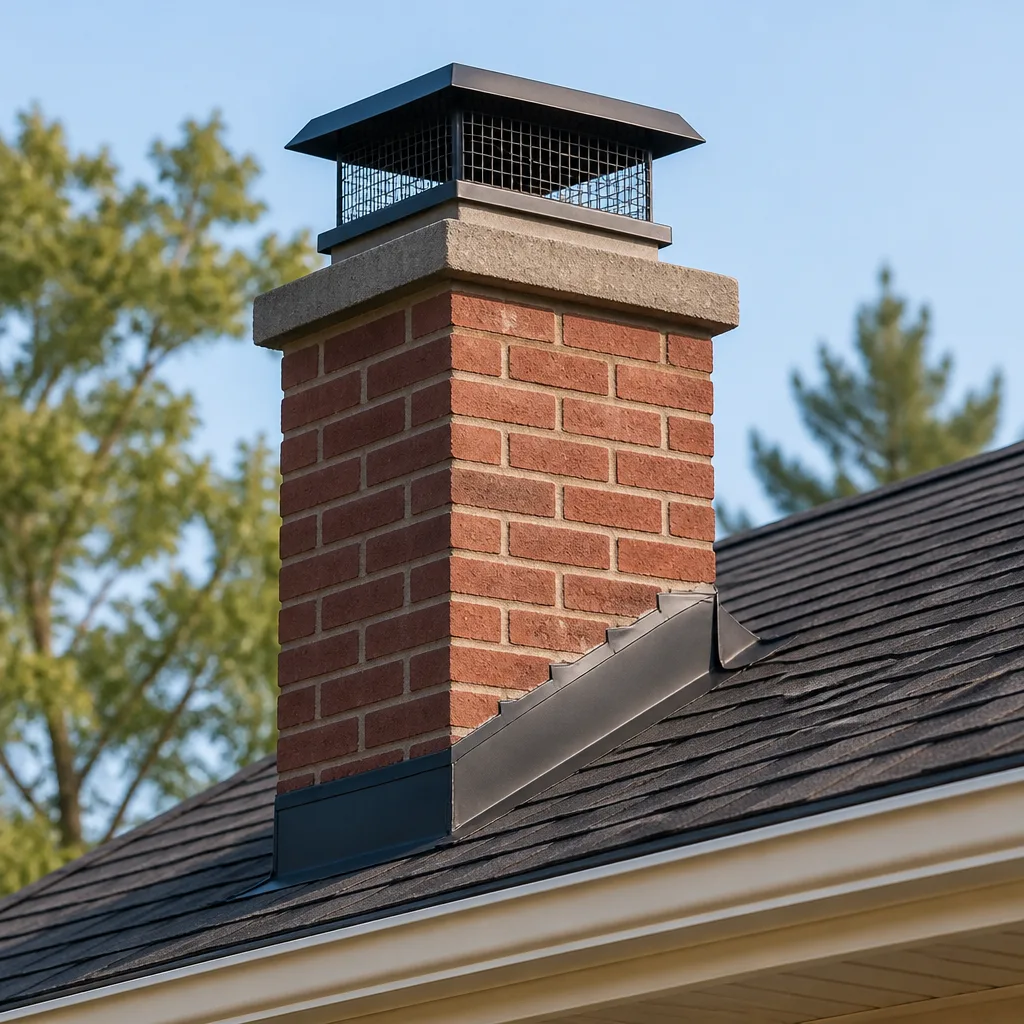 Sweep & inspection
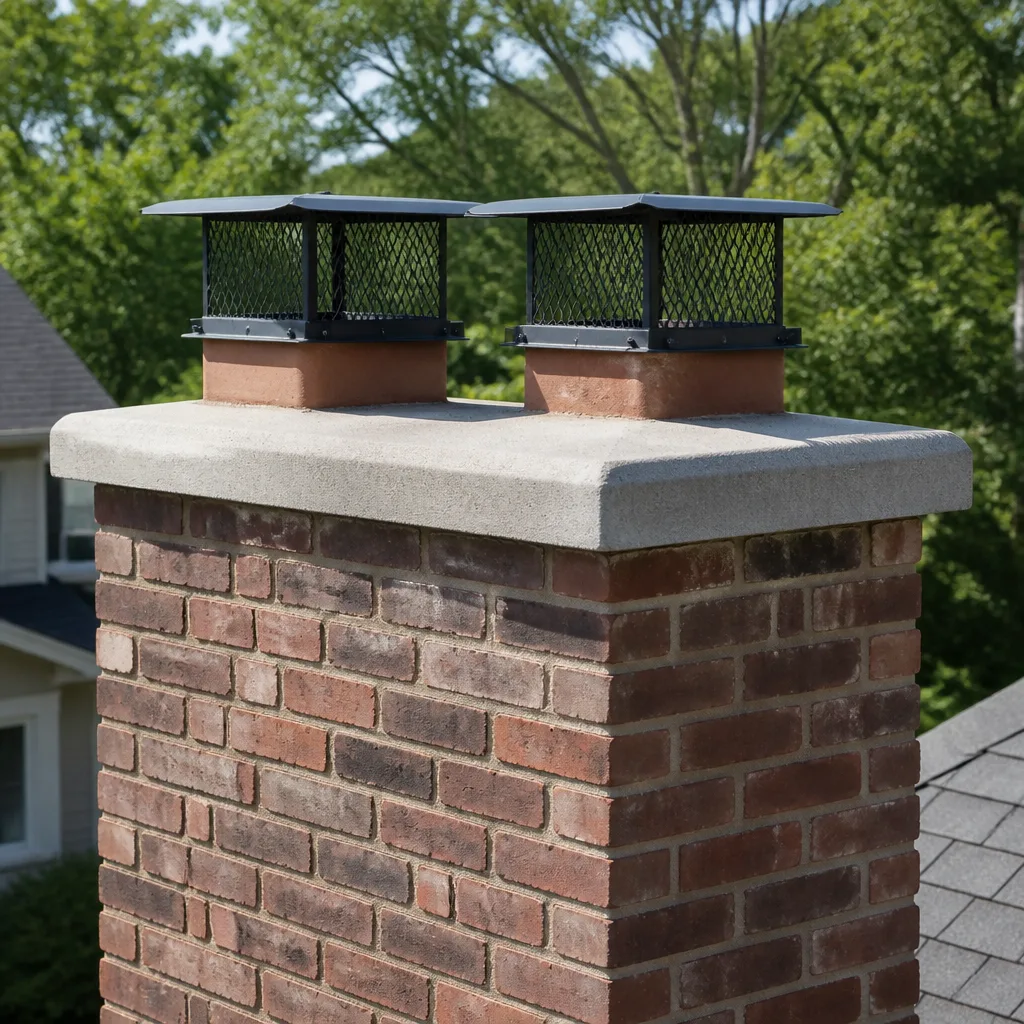 Caps & crowns
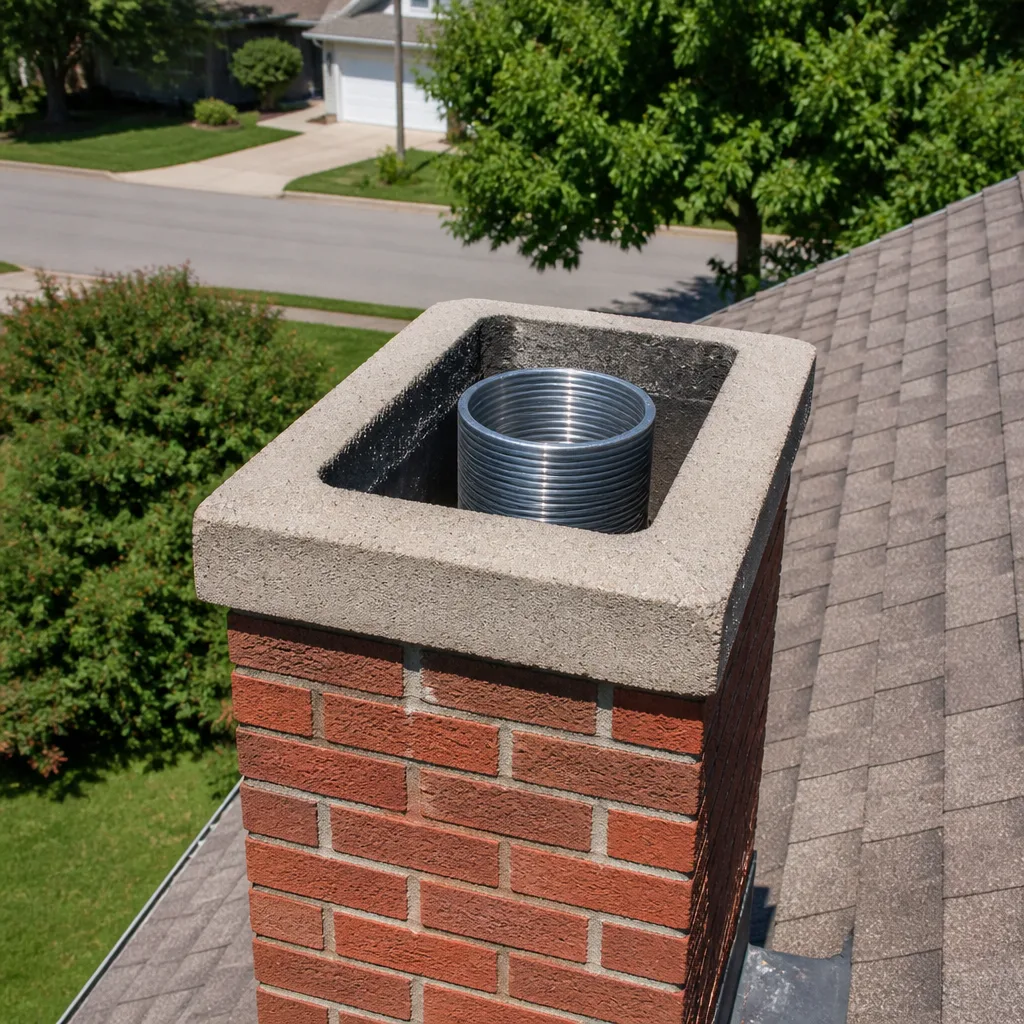 Flue relining
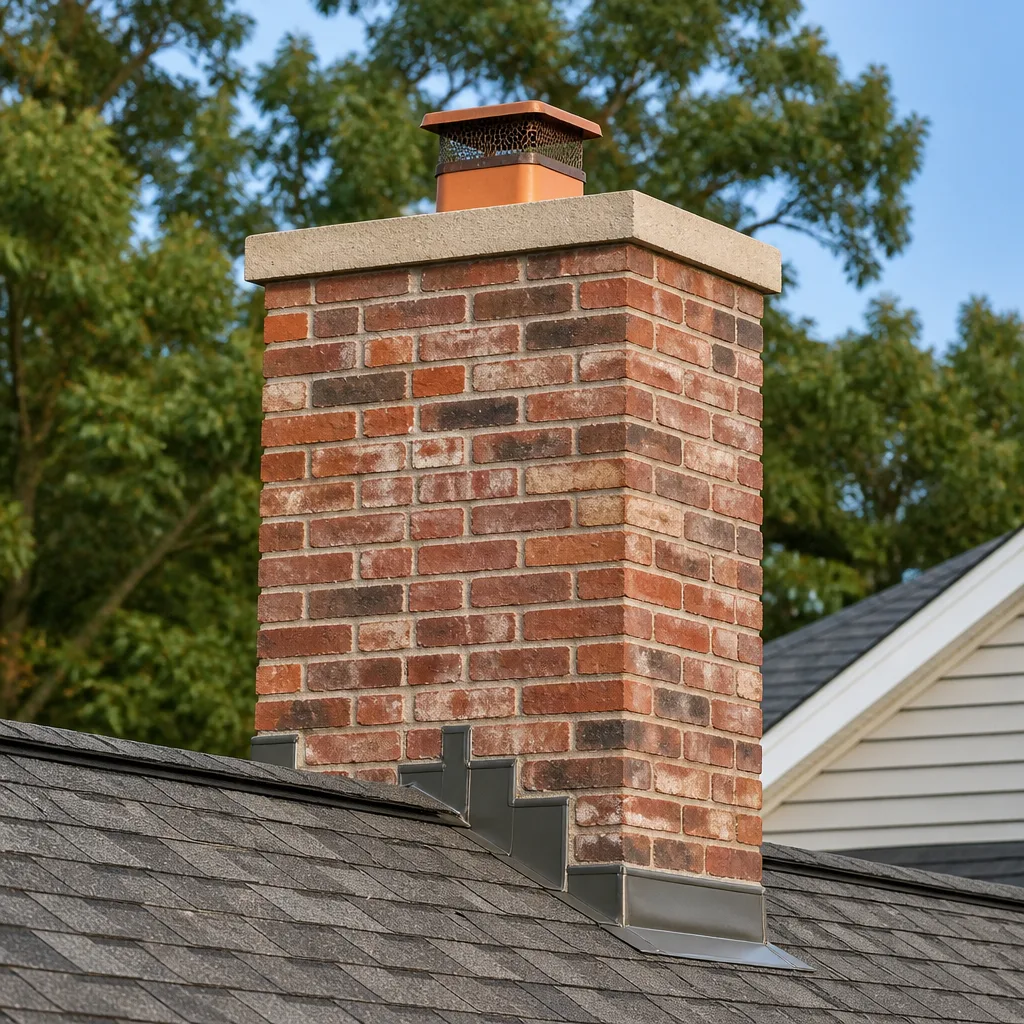 Masonry repair
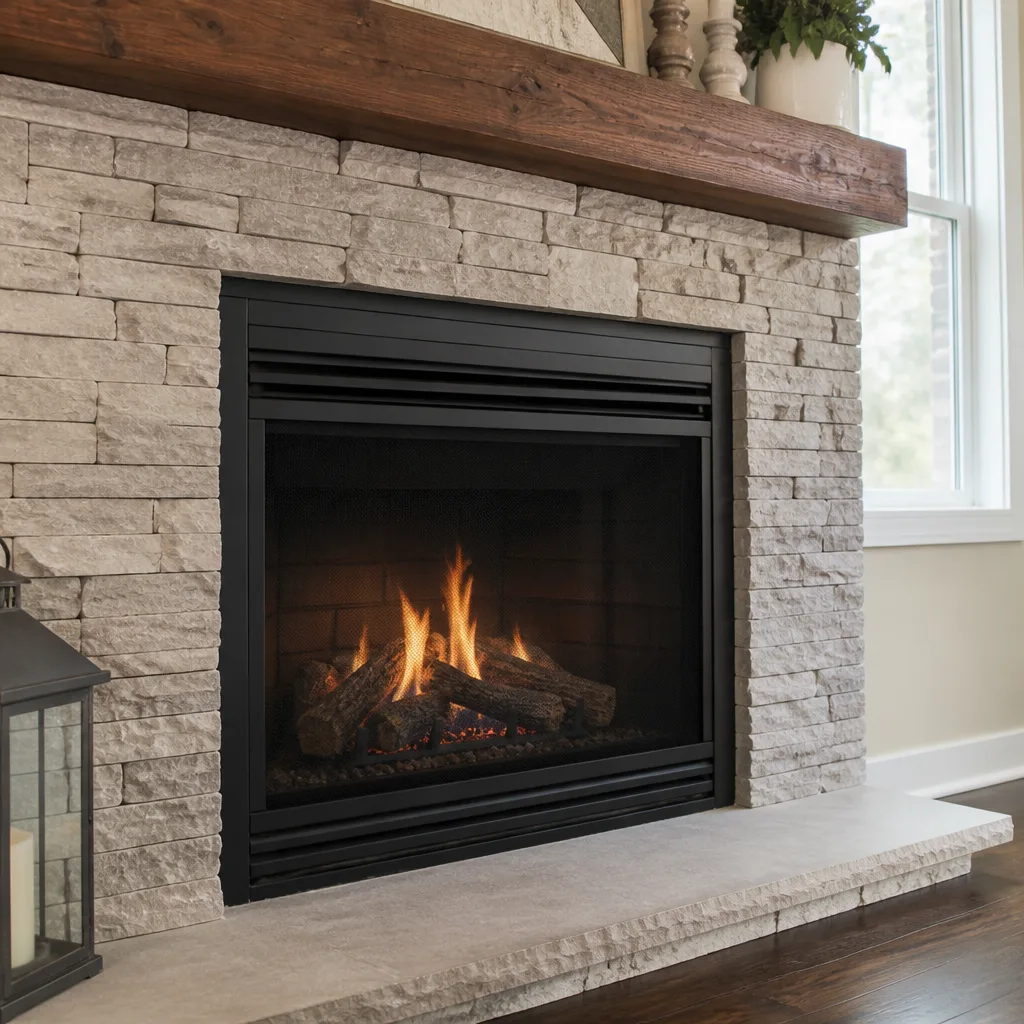 Gas fireplace service
Level 1 sweep and inspection to the NFPA 211 annual standard - flue, crown, cap, and flashing checked and photographed
Chimney sweep logs do not sweep chimneys. They loosen some creosote - which then falls where a brush and vacuum still have to collect it.
DIY vs Professional Chimney Cleaning: The Garden Grove Homeowner’s Decision Guide
You can buy the same brushes a sweep uses. What you can’t replicate is the visual inspection of the smoke chamber and flue liner that determines whether the chimney is safe to use, and that’s the part of the service that matters most. Most homeowner brush kits are sold as cleaning tools, and that’s exactly what they are. They don’t see anything. This guide walks through what a Garden Grove homeowner can realistically accomplish with a consumer brush kit, where the DIY approach stops being useful, and how to tell which situation you’re actually in before you climb a ladder.
Styles & brands we work with
- Sweep & inspection
- Caps & crowns
- Flue relining
- Masonry repair
- Gas fireplace service
Quick Answer
DIY chimney brushing can remove soot and creosote from the accessible part of the flue, but it can’t tell you whether the liner is cracked, the smoke chamber is coated, or the mortar joints are failing. Professional cleaning in Garden Grove includes a camera inspection and a documented condition report, which is the difference between a clean chimney and a chimney you know is safe to burn in. If your fireplace has been used a full season without inspection, a professional visit is the better starting point.
Table of Contents
- What a DIY Brush Kit Can Realistically Accomplish
- What DIY Cleaning Can’t Do: The Diagnostic Gap
- When DIY Cleaning Is a Reasonable Step
- When DIY Creates a False Sense of Safety
- Equipment and Containment Requirements Most DIY Guides Skip
- How Garden Grove’s Climate Affects Chimney Wear
- What a Professional Cleaning Includes That DIY Doesn’t
- The Liability and Insurance Question
- Cost Comparison: DIY vs Professional in Garden Grove
- Common Mistakes to Avoid
- When to Call a Professional
- Frequently Asked Questions
What a DIY Brush Kit Can Realistically Accomplish
A homeowner with a straight flue, a proper ladder, and a well-matched brush can do real work. Consumer brush kits are sold with polypropylene or wire brushes that scrape soot off the interior flue walls. If your chimney is a straight vertical run with a cleanout at the bottom and no offset, a brush pass will loosen a real amount of soot, and the visual result inside the firebox is a bit brighter than before. That’s a genuine accomplishment, and we don’t dismiss it.
What that brush pass does is:
- Remove loose soot from the accessible flue section from the top down or bottom up
- Knock off light surface glazing on the upper flue walls
- Clear a minor obstruction like a bird nest or leaf pack from the flue path
- Give you a rough visual read on how much creosote has built up
What it doesn’t do is inspect the smoke chamber or the flue liner. Those two sections hold most of the safety-relevant information in a chimney, and they’re out of reach of a brush and out of sight of a flashlight pointed up from the firebox. In our experience, that’s the gap most DIY homeowners don’t realize exists until a sweep finds something.
What DIY Cleaning Can’t Do: The Diagnostic Gap
Cleaning and inspecting are two different jobs. A brush cleans. A camera inspects. The professional chimney sweep you call does both in a single visit, and the inspection portion is where most of the real value sits.
The camera is what reveals:
- Liner cracks. A hairline fracture in a clay tile or the seam of a metal liner won’t show up in a flashlight pass from below. It also won’t stop a brush. It will allow heat and embers to pass into framing.
- Spalling. Flaking and chipping of the flue tile interior is common in chimneys that have run through multiple heating seasons. A brush won’t flag it; a camera does.
- Deteriorating mortar joints. Joints between flue tiles can erode from the inside. The only way to see it is with a camera run from the top down.
- Smoke chamber coating. The smoke chamber above the damper is angled and rough, and it collects creosote faster than the straight flue above it. Most DIY brushes can’t reach it at all.
The result of a cleaning without an inspection is a chimney that looks clean and may still be unsafe. For a homeowner who wants to know whether their fireplace is safe to use this winter, that answer isn’t good enough. A Chimney Sweep Garden Grove inspection includes a camera pass and a photo report so you can see what we see.
When DIY Cleaning Is a Reasonable Step
There are real situations where a homeowner running a brush through their own chimney is sensible. The key is knowing which category you’re in.
DIY cleaning is a reasonable step when:
- Your chimney was professionally inspected within the last year and the liner was confirmed in good condition with no cracks or spalling.
- Your annual burn volume is low, soot buildup is light, and the firebox and flue are visually clean.
- You’re clearing a known obstruction (nest, leaf pack) from a straight flue that you can reach from the roof with your own ladder and gear.
- You’re maintaining a gas fireplace’s firebox exterior (never the flue interior, which on a gas unit is a venting question, not a brushing one).
Notice that every one of those cases starts with a professional inspection establishing a baseline. DIY cleaning without that baseline is guesswork. If a certified technician has confirmed your chimney is in good shape and you’re between professional cleanings, a brush pass is a fine maintenance habit. That’s the honest answer.
When DIY Creates a False Sense of Safety
The dangerous scenario isn’t the homeowner who doesn’t clean their chimney. It’s the homeowner who cleans it themselves, sees a bit less soot in the firebox, and concludes the system is fine. That conclusion is often wrong, and here’s why.
A brush pass produces a visible change in the firebox. The soot on the brick and hearth gets swept up. The steel of the damper looks cleaner. To a homeowner who’s never had an inspection, that reads as “clean chimney.” To a sweep, the same chimney might reveal a spalled tile three sections up, or a smoke chamber packed with glazed creosote that a brush can’t touch.
The situations where this false-safety setup is most likely:
- Chimneys on Garden Grove homes built in the 1960s through the 1980s, where original clay tile liners have now gone through decades of heating cycles
- Homes where the fireplace has run daily through multiple burn seasons without professional inspection
- Chimneys on homes being prepared for sale, where the seller’s own visual read of “looks fine” is treated as documentation
- Any chimney where the fire has ever smelled smoky, drafted poorly, or backed up into the room, which is a symptom pointing to a real diagnosis
If your chimney shows warm-weather odors, smoke spillage, or reduced draft, brushing may mask the symptom without addressing the cause. That’s when cleaning without inspection stops being maintenance and starts being a misdiagnosis.
Equipment and Containment Requirements Most DIY Guides Skip
The tutorials you’ll find online focus on which brush to buy. They rarely mention what contains the mess, and that’s the part of professional cleaning that separates a real job from a soot event in your living room.
Professional cleaning setups include:
- A high-CFM HEPA vacuum. A shop vac doesn’t provide enough suction to hold the soot that comes loose during brushing. Consumer-grade vacuums blow fine soot into the air, which settles on every surface in the room.
- Containment sheeting. A sealed plastic sheet across the firebox opening with a pass-through for the rod is standard on a professional visit. Most homeowner kits don’t include anything like it.
- Proper soot disposal. Swept soot isn’t ordinary trash. It’s a fine, carcinogenic dust that needs to be bagged, sealed, and disposed of properly, not dumped in a paper bag by the can.
- Rods long enough for the actual flue height. A Garden Grove ranch-style home may have a chimney run of 12 to 16 feet; a two-story home runs 22 to 28 feet. Consumer kits often top out short of that, meaning the upper third of the flue doesn’t get brushed.
- Roof safety gear. Ladder work on a pitched roof requires fall protection that most homeowners don’t own and shouldn’t improvise.
None of that makes DIY impossible. It does mean the “brush-and-go” version many guides describe is a partial job with a real cleanup bill at the end. And if your chimney has a cap and crown, the cap has to come off to run the brush, then go back on correctly. Getting that seal right matters more than most homeowners realize.
How Garden Grove’s Climate Affects Chimney Wear
Garden Grove winters are mild, which shifts the chimney-wear pattern from what most national chimney guides describe. The typical homeowner here doesn’t burn through a long deep-freeze stretch. Instead, they burn intermittently through December, January, and February, with gaps of warm days in between.
That burn pattern has two effects worth knowing about:
- More time for moisture to sit between burns. Chimneys in mild climates cool and warm repeatedly rather than staying cold or staying warm. Moisture drawn down the flue between burns doesn’t get driven off the way it would in a colder climate, and that’s part of why we see soft or spalled mortar joints in Garden Grove masonry.
- Slower creosote accumulation, but glazing risk when fires are damped down. Homeowners who routinely close the damper to stretch a fire overnight produce glazed creosote that brushes struggle to remove. That glazed coating is the harder-to-clean issue in a mild-climate chimney.
There’s also the seasonal dry air. The heat of a fire combined with low humidity in late fall can produce more rapid moisture cycling at the crown, which is the leading entry point for water damage. That’s a chimney chimney repair topic as much as a cleaning one. When a professional sweep inspects a Garden Grove chimney, they’re checking the flue as well as the cap and crown, because the cap and crown take the climate hit first.
What a Professional Cleaning Includes That DIY Doesn’t
A professional chimney sweep is a cleaning plus a documented inspection, delivered as one service. Here’s what that sequence actually looks like when done properly.
- Pre-cleaning condition check. The technician looks at the firebox, damper, and accessible flue before touching anything. This establishes whether the chimney can even be safely cleaned.
- Drop cloth and containment setup. Sealed sheeting at the firebox, floor covering, and the HEPA vacuum running throughout.
- Brushing and vacuuming of the full flue. Top-down or bottom-up depending on the chimney’s configuration, using a brush matched to the liner material.
- Smoke chamber cleaning. The area above the damper gets its own pass with the right tooling, not just a brush.
- Camera inspection of the flue liner. A camera run reveals cracks, spalling, and failing joints you can’t see from below.
- Photo documentation. A visual record of what we found, in a form you can review, save for a home sale, or share with an insurer if needed.
- Condition report and recommendations. What’s fine now, what should be monitored, and what needs repair. Clear separation between “this can wait” and “this shouldn’t burn until it’s repaired.”
That sequence is why our technicians have up to 9 years of experience on chimney systems. We use camera inspection and HEPA vacuuming on every sweep because a cleaning without an inspection isn’t a complete service. We tell you what your chimney actually needs, not what generates the largest invoice, and if work can safely wait, we’ll say so.
The Liability and Insurance Question
Here’s a piece of the DIY conversation most guides leave out entirely. If your home ever has a chimney-related fire or a carbon monoxide incident traced to the flue, the question of documentation matters.
An insurance claim asks a homeowner to demonstrate that the chimney was properly maintained. A homeowner-provided assertion that “I cleaned it myself” has no inspection record behind it, no camera photo evidence, and no condition findings. An insurer may treat that differently than a written inspection report from a sweep. This isn’t a scare tactic; it’s the practical reality of how claims are evaluated.
The same documentation question shows up in home sales. A buyer preparing to close on a Garden Grove home with a wood-burning fireplace often asks for a chimney inspection report. A homeowner who has been cleaning their own chimney can’t produce that, which means the sale stalls until a professional inspection is done anyway. That inspection should have happened before listing, when a homeowner has time to address what it finds rather than negotiate over it.
There’s also the “self-certification” problem for the homeowner. A brush pass doesn’t produce a written statement that the chimney is safe to use. It produces a cleaner firebox and a reasonable guess. If you want to know, on paper, what condition your chimney is in, professional inspection is the only way to get that.
Cost Comparison: DIY vs Professional in Garden Grove
The math on DIY vs professional chimney cleaning looks straightforward until you factor in what’s actually included. Here’s a line-item comparison to make the trade-off concrete.
| Item | Typical DIY Cost | Typical Professional Cost |
|---|---|---|
| Brush kit (poly or wire brush, rods) | $60-$180 | Included in service |
| HEPA vacuum (or shop vac substitute) | $100-$250 | Included in service |
| Fall protection, ladder extension | $80-$200 | Included in service |
| Containment sheeting, drop cloths | $20-$50 | Included in service |
| Camera inspection | Not available | Included in service |
| Written condition report with photos | Not available | Included in service |
| Typical sweep and inspection visit | $0 (no service provided) | Estimated $150-$350 depending on chimney condition and flue length |
That’s not a small difference. For a single visit, professional cleaning costs less than the equipment you’d buy to do a partial version of the same job. The math only shifts toward DIY when the homeowner already owns the vacuum and ladder and treats the brush kit as a low-cost maintenance tool between professional inspections.
Beyond the visit itself, the cost comparison should include what a missed problem costs to fix. A cracked flue tile is a repair. A cracked flue tile that’s gone undetected through multiple burn seasons is a broader scope of work. Professional cleaning catches it early. That’s worth stating plainly. We offer free estimates for Garden Grove homeowners who want to know what their chimney’s actual cost profile looks like. All pricing is set per job by a written estimate.
Common Mistakes to Avoid
- Assuming a cleaner firebox means a safer chimney. A visible brush pass doesn’t confirm anything about the flue liner above it. The liner is where the safety-relevant condition sits, and it needs a camera.
- Skipping the smoke chamber entirely. Most homeowner brushes can’t reach above the damper. That area collects creosote faster than the flue and feeds fire. If your brush kit doesn’t address it, most of the cleaning gap is still there.
- Using a shop vac as an HEPA vacuum. Shop vacs blow fine soot back into the room and into the HVAC system. The resulting cleanup is real, and the soot that stays in the air is a genuine irritant.
- Climbing on the roof without fall protection. A chimney brush job involves a ladder and roof work on some chimneys. That’s the wrong job to learn fall safety on. If your chimney is on a two-story Garden Grove home, the risk isn’t worth the savings.
- Leaving the cap off. Caps come off to run a brush and have to go back on with a proper seal. A cap that isn’t reinstalled correctly is worse than the brush pass was good, because water infiltration starts the day the rain lands. Our chimney repair work frequently fixes caps that were reinstalled poorly.
- Cleaning a chimney that hasn’t been inspected first. If the liner has a defect, brushing it can make it worse. If the flue is glazed, dry brushing barely helps. Get a baseline inspection before the first self-cleaning attempt.
- Relying on a visual “looks fine” to satisfy an insurer or a buyer. Neither accepts a self-certification when a documented inspection is available. The DIY approach creates a real paperwork gap when it matters most.
When to Call a Professional
There are clear scenarios where calling in a professional sweep is the right first move rather than a last resort. If your fireplace has run through a heating season without inspection, call first. If you’re noticing smoke spillage, draft problems, or warm-weather odors, call first. If your home is being listed for sale and you need documented chimney condition, call first. If your chimney hasn’t had a camera inspection in over a year, call first. Any of those situations makes a professional sweep the starting point, not the fallback. Chimney Sweep Garden Grove offers free estimates in Garden Grove. Call (877) 770-1311. We answer 24/7. Fast dispatch from 7am to 7pm, Sunday through Friday. One visit covers the full picture: inspection with camera, cleaning, and clear recommendations on what comes next, from fireplace repair to any structural work on the flue.
Frequently Asked Questions
It can be reasonable maintenance if a professional has confirmed the liner is sound within the last year and your burn volume is light. What DIY can’t do is inspect the flue liner, smoke chamber, or mortar joints, which is where most safety-relevant problems live. Call (877) 770-1311 for an inspection before you start cleaning. Estimates are free.
A cleaning removes soot and creosote from the flue and firebox; an inspection assesses the condition of the liner, smoke chamber, and flashing, using a camera and a flashlight. They’re two different services. Professional sweeps pair them in one visit because cleaning without inspection leaves the safety question unanswered.
Annually during the burn season is the standard recommendation, and it’s what we suggest to Garden Grove homeowners whether they use the fireplace daily or intermittently. Mild-climate chimneys cool and warm repeatedly, which produces its own wear pattern. A yearly sweep and inspection catches spalled joints and glazed creosote before they become repairs.
Yes, in two ways. A brush that’s too aggressive on a soft or already-spalled liner can chip tiles further. And a brush run through a chimney with an existing crack can worsen the crack before you know it’s there. Damaging the flue turns a $150-$350 maintenance visit into a repair with material cost tied to replacement liners like DuraFlex systems.
The big ones are a high-CFM HEPA vacuum, sealed containment, a brush matched to the liner material, and a flue camera. Our technicians have up to 9 years of experience on these systems. The cleaning tools are the smaller part of the kit. The camera and the vacuum are the equipment that actually removes the safety question.
Buyers typically expect a chimney inspection report when the home has a wood-burning or gas fireplace, and a self-cleaning assertion won’t satisfy the request. An inspection before listing gives you time to address what it finds and a written report to share. Call (877) 770-1311. We answer 24/7. Estimates are free.
It shouldn’t. A professional sweep produces a written condition report with photos, and recommendations should be clearly separated into “address now” and “can safely wait.” We tell you what your chimney actually needs and show you the camera evidence. If you’re ever told you need liner work or masonry repair, ask to see the photo and the video that supports it.
The Bottom Line
DIY chimney brushing is a real maintenance step, and it isn’t a substitute for a professional cleaning. The brush removes soot; the inspection is what tells you whether the chimney is safe. Garden Grove homeowners with mild seasons and intermittent burn patterns have a specific reason to keep the annual inspection current, because the wear shows up as spalled joints, glazed creosote, and failing caps before it shows up as smoke in the room. If you’ve skipped the last full season of inspection, start there. If you’ve already done the brush pass and want a professional read on the flue, we’ll take a look. Chimney Sweep Garden Grove works with trade-grade materials like Olympia Chimney, Famco, and DuraFlex, and we use camera evidence to back every recommendation. Call (877) 770-1311 for a free estimate. We answer 24/7. Fast dispatch from 7am to 7pm, Sunday through Friday.
Written by the team at Chimney Sweep Garden Grove.
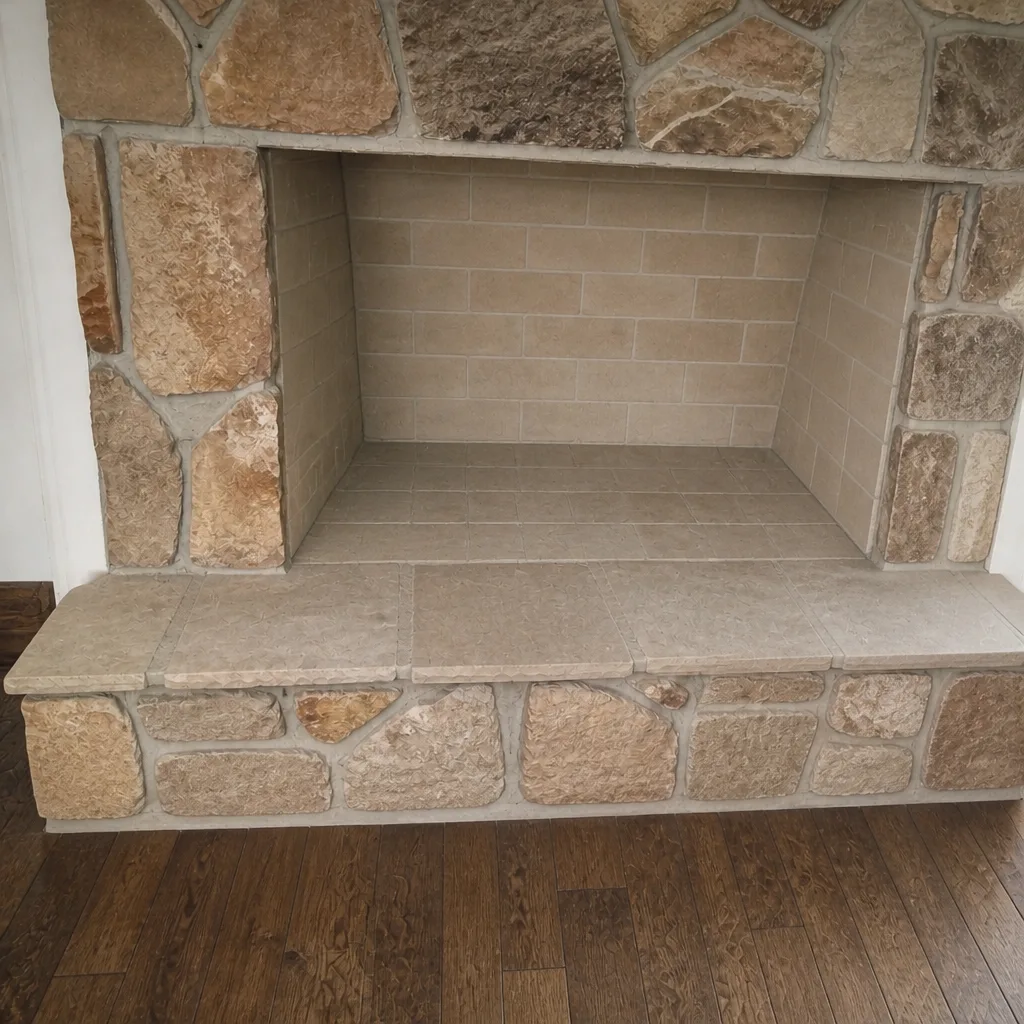
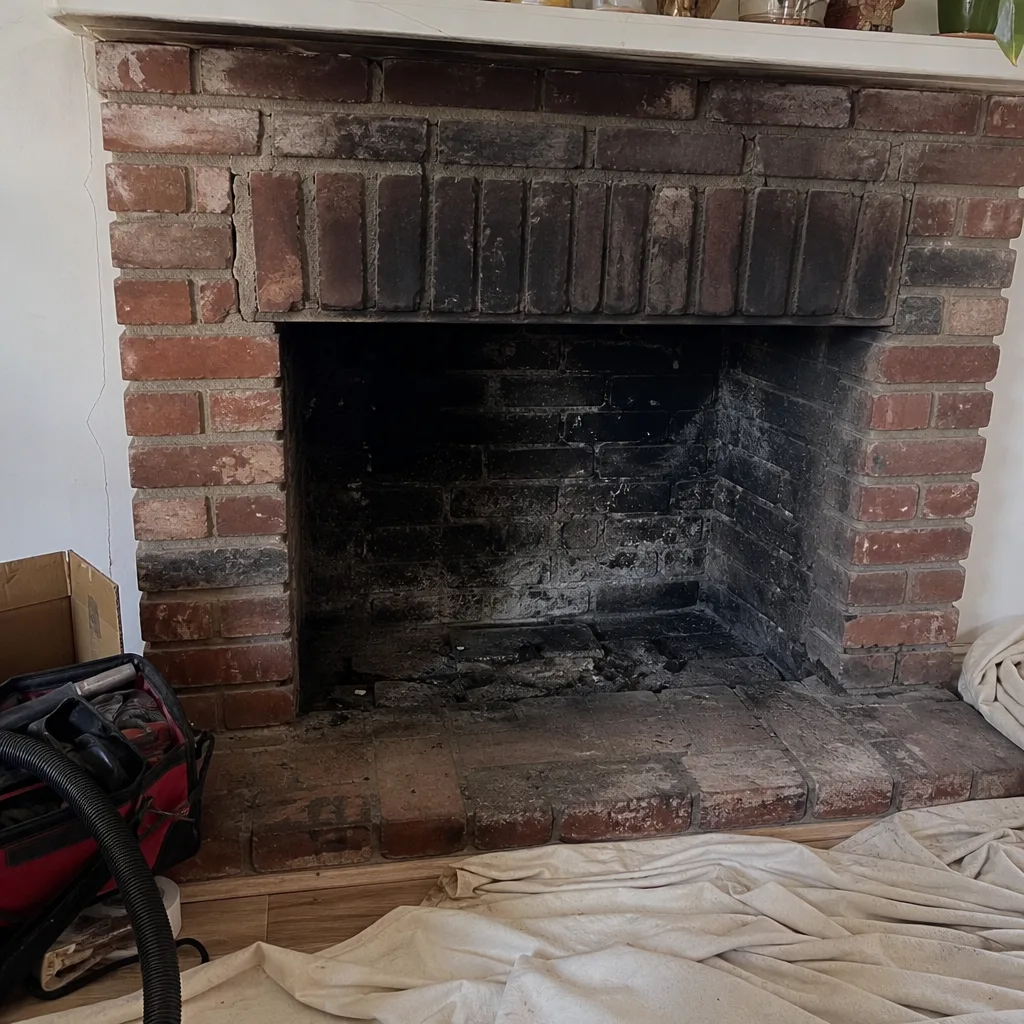
See the difference
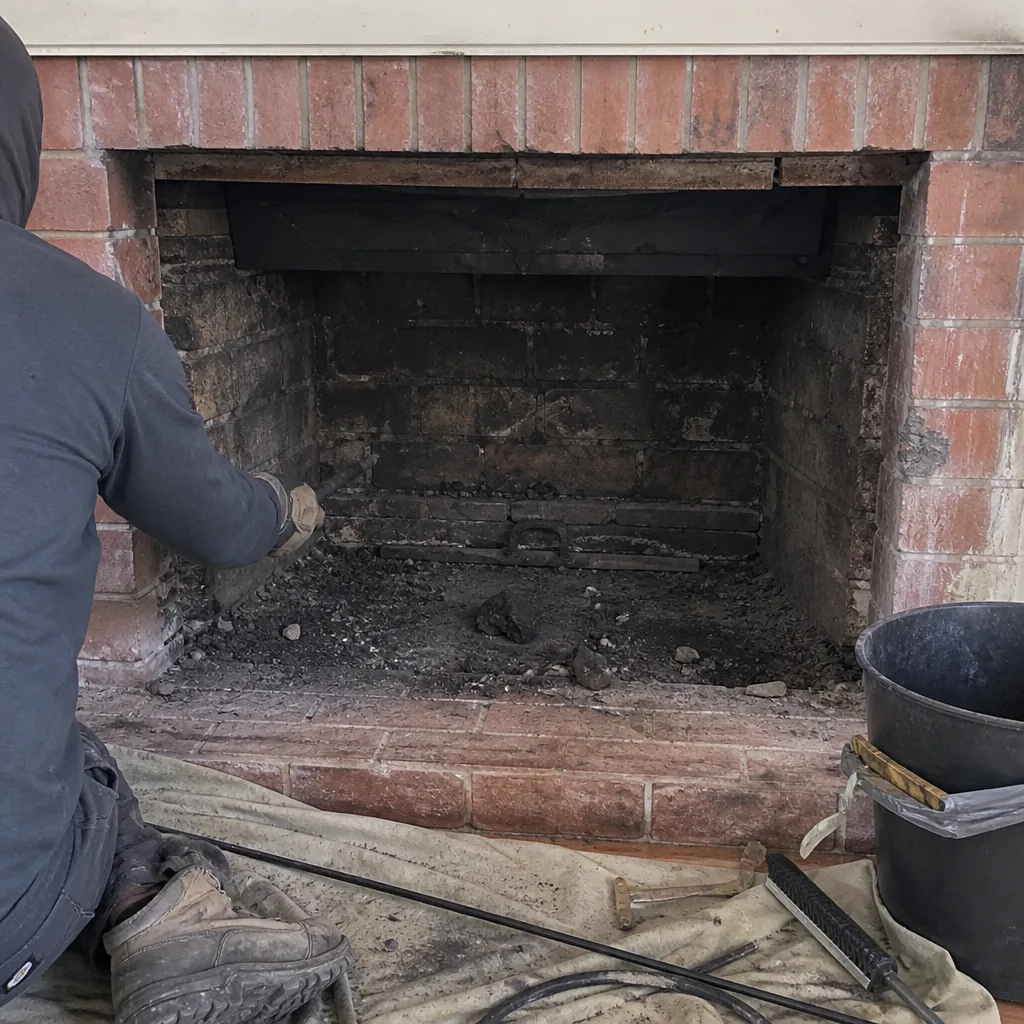 Before
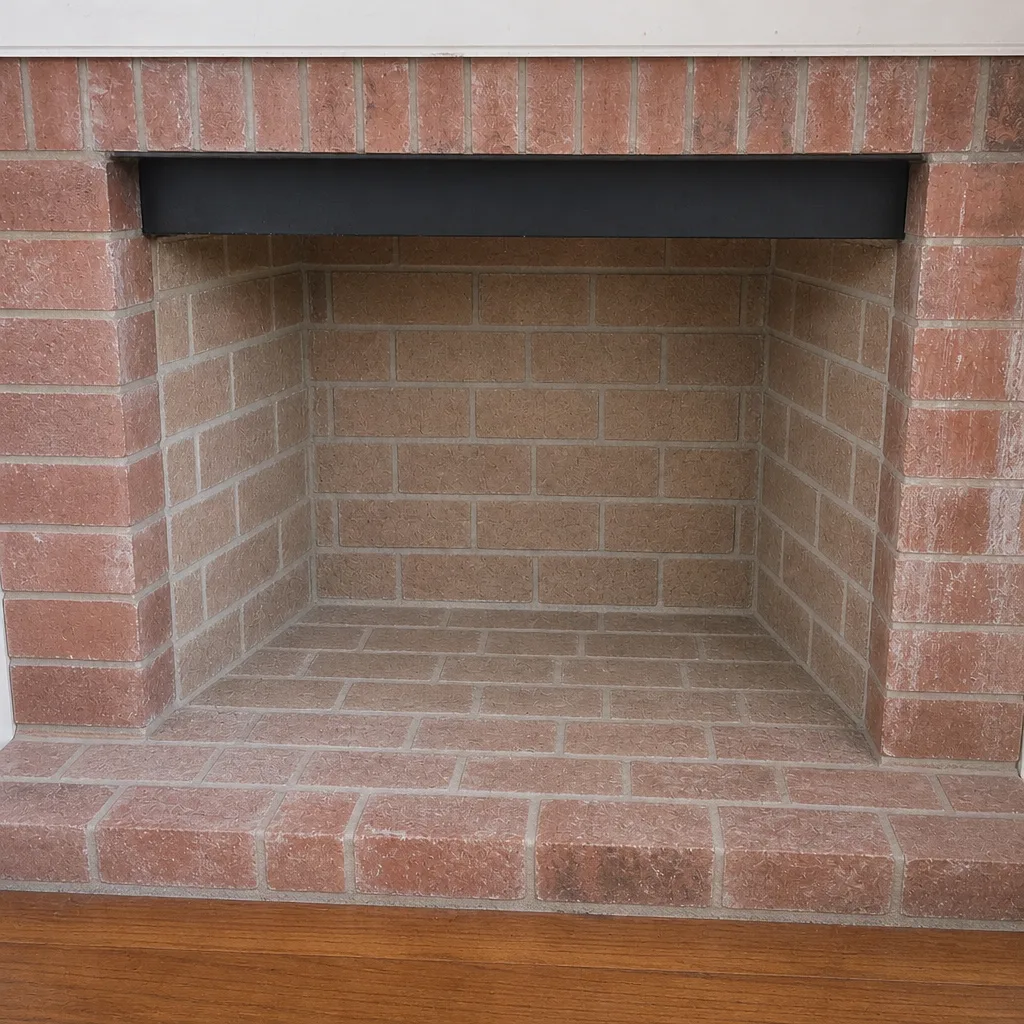 After
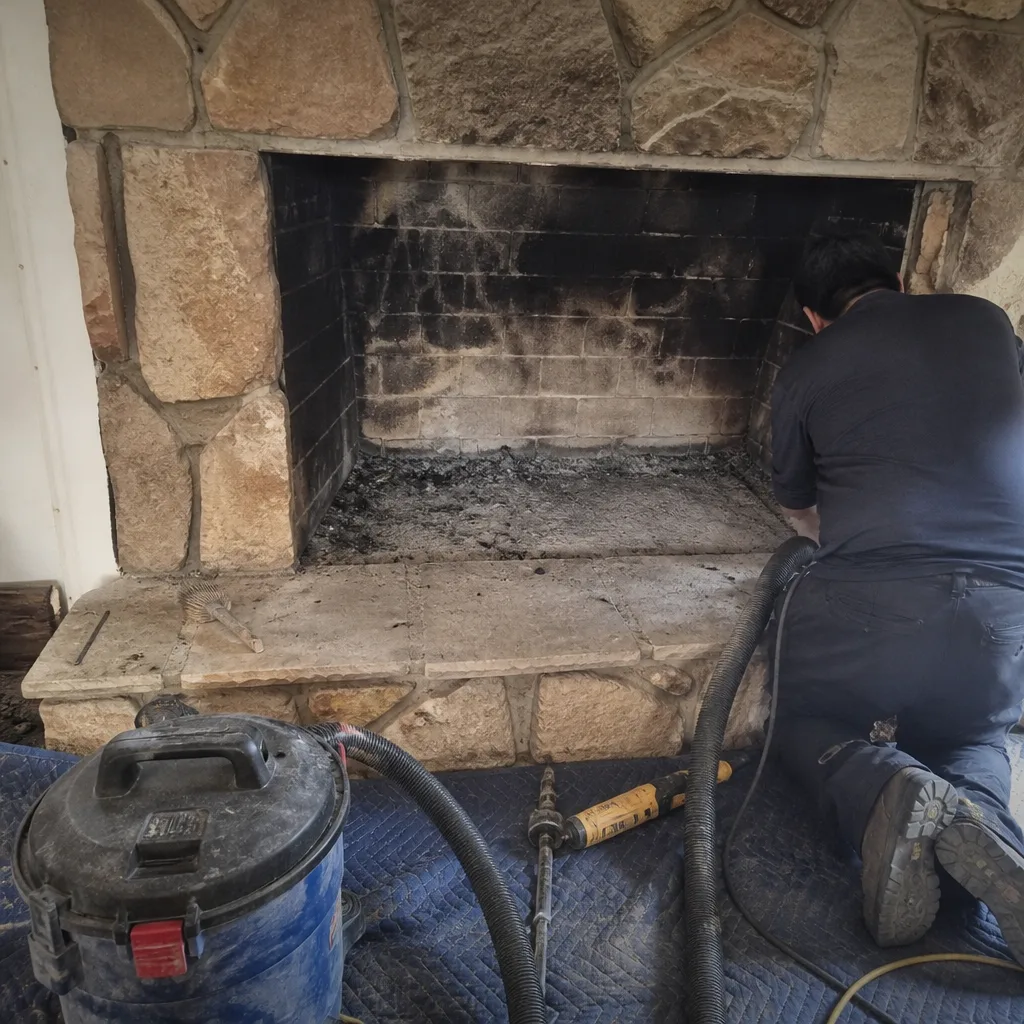 Before
 After
 Before
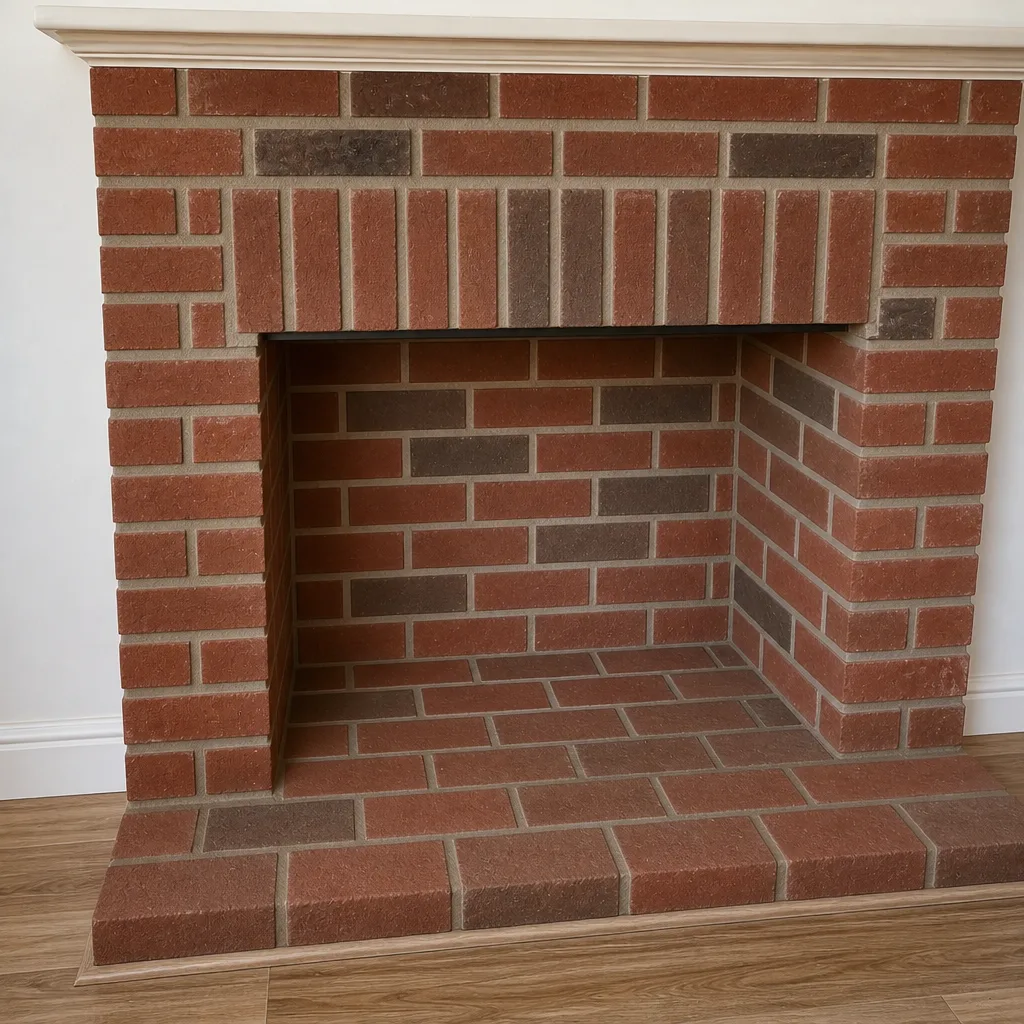 After