
Last updated November 23, 2026
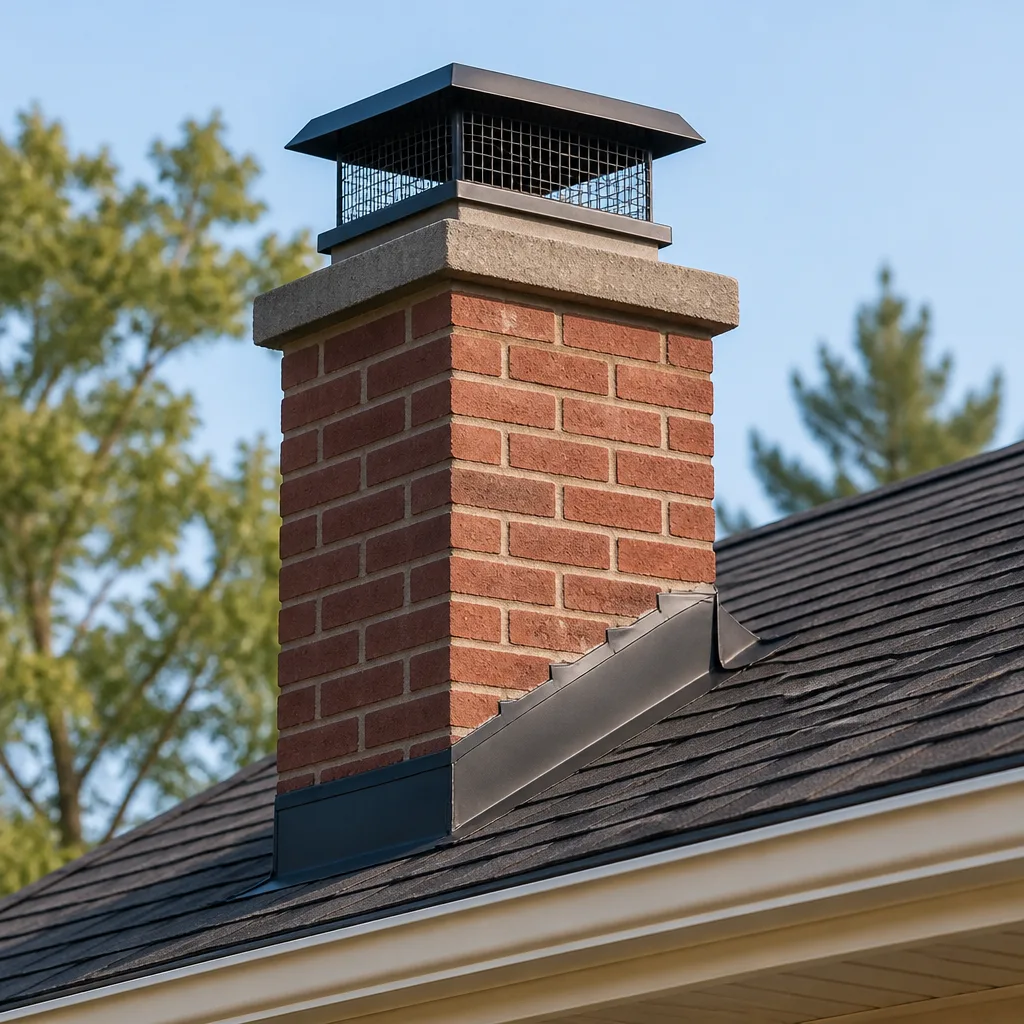 Sweep & inspection
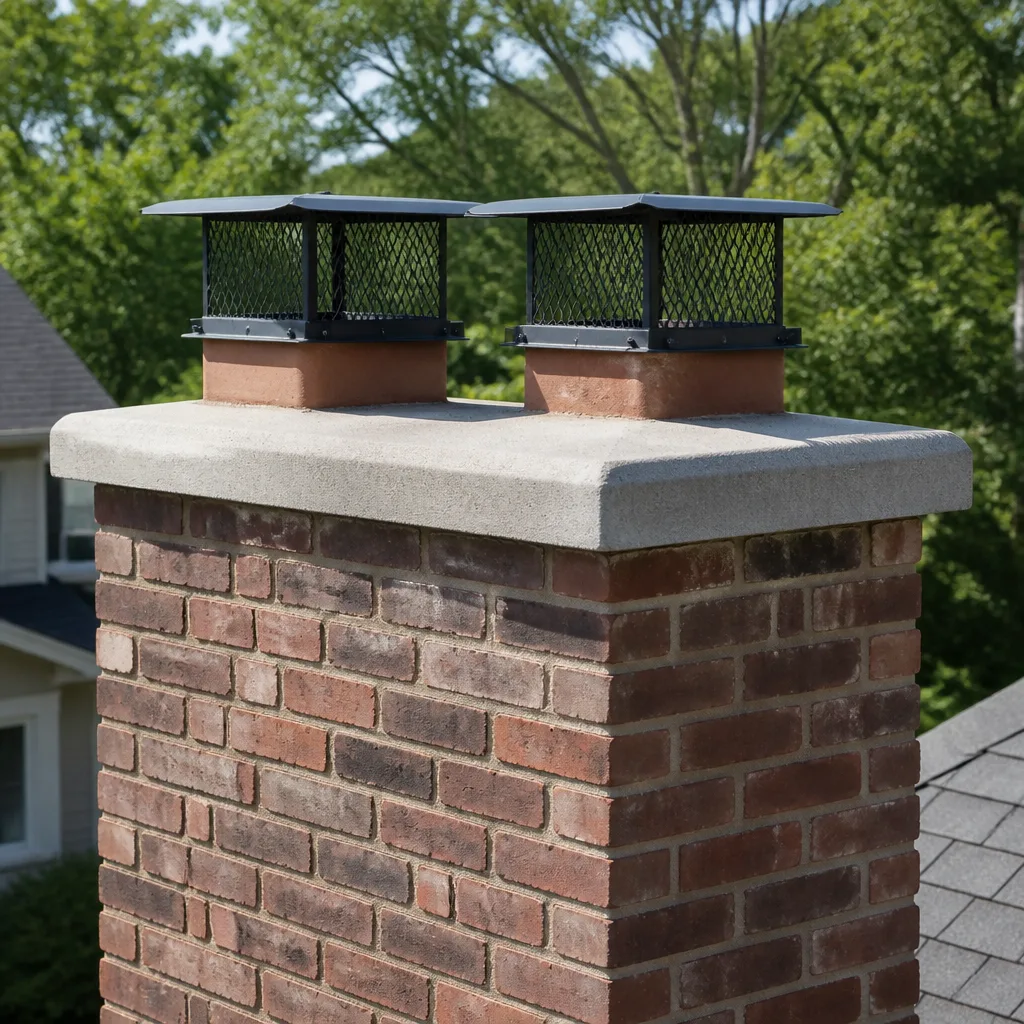 Caps & crowns
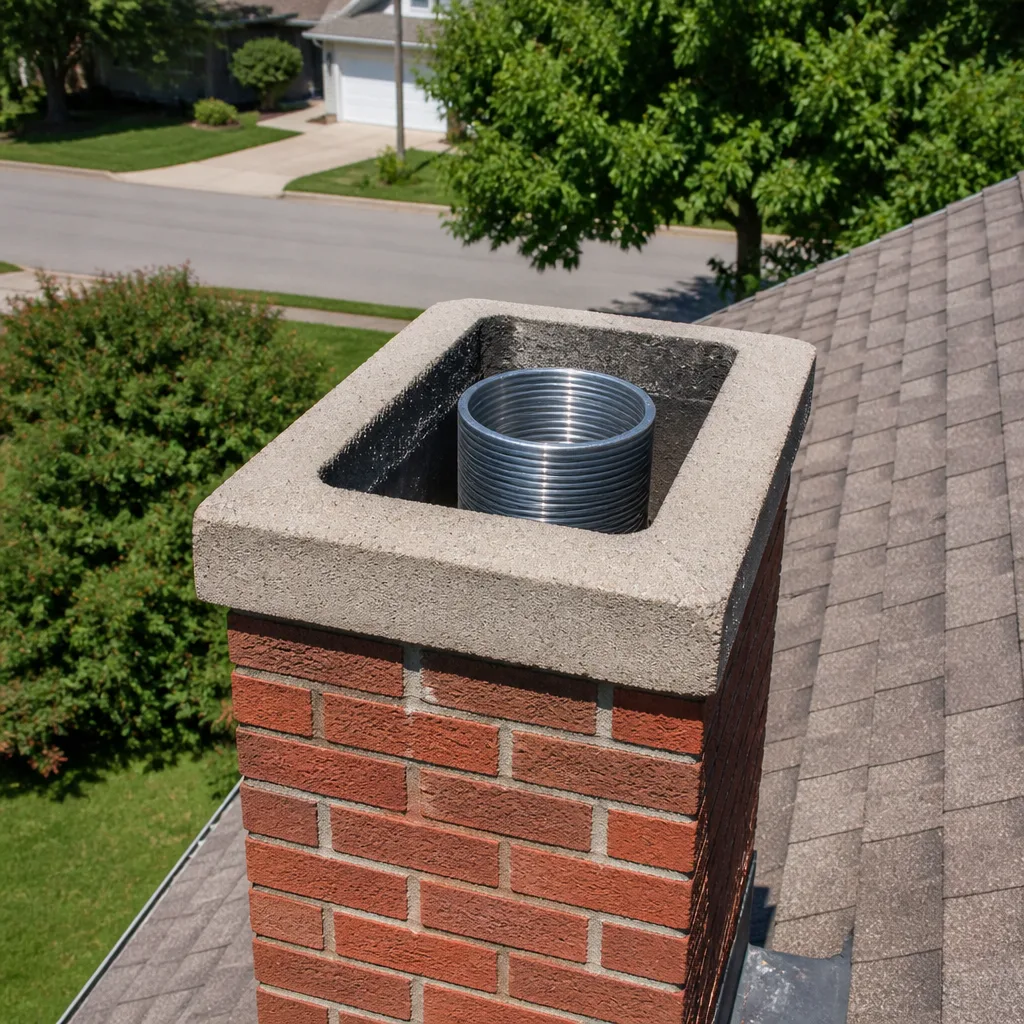 Flue relining
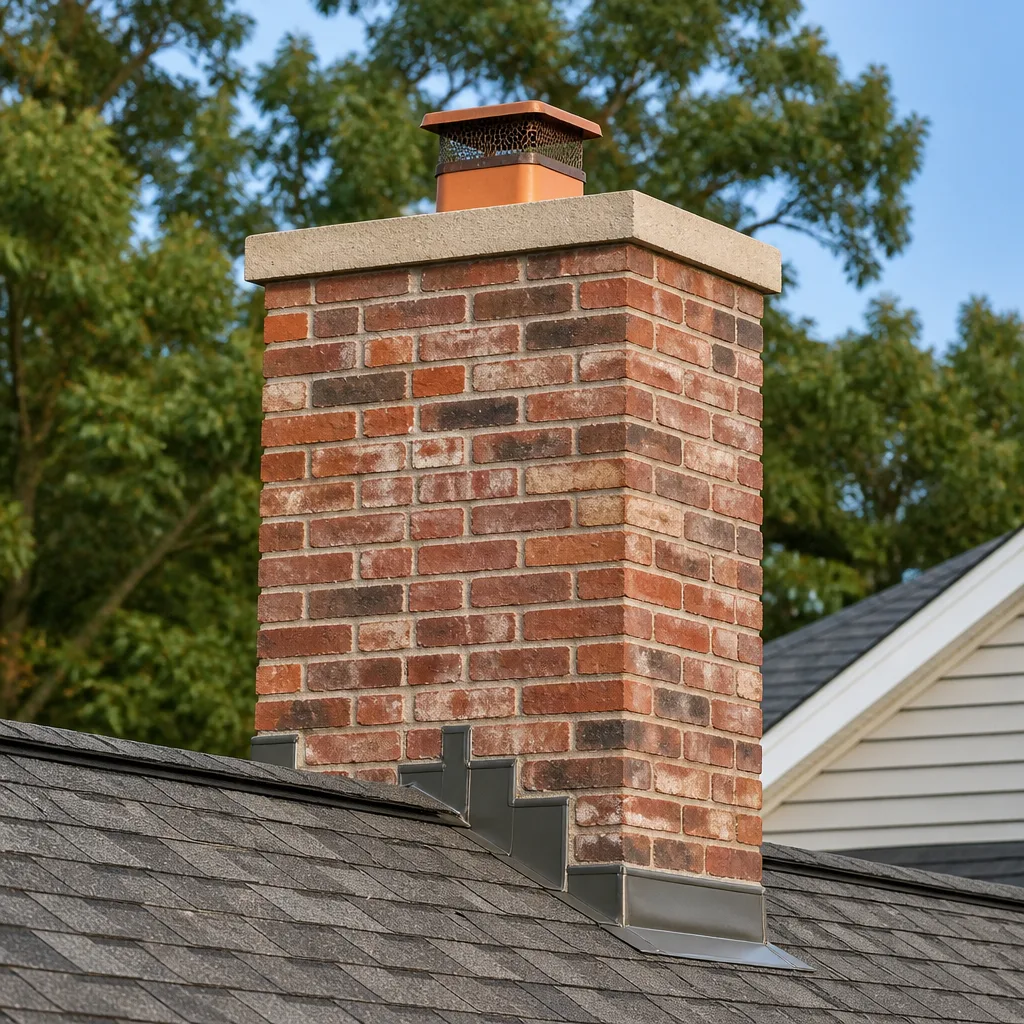 Masonry repair
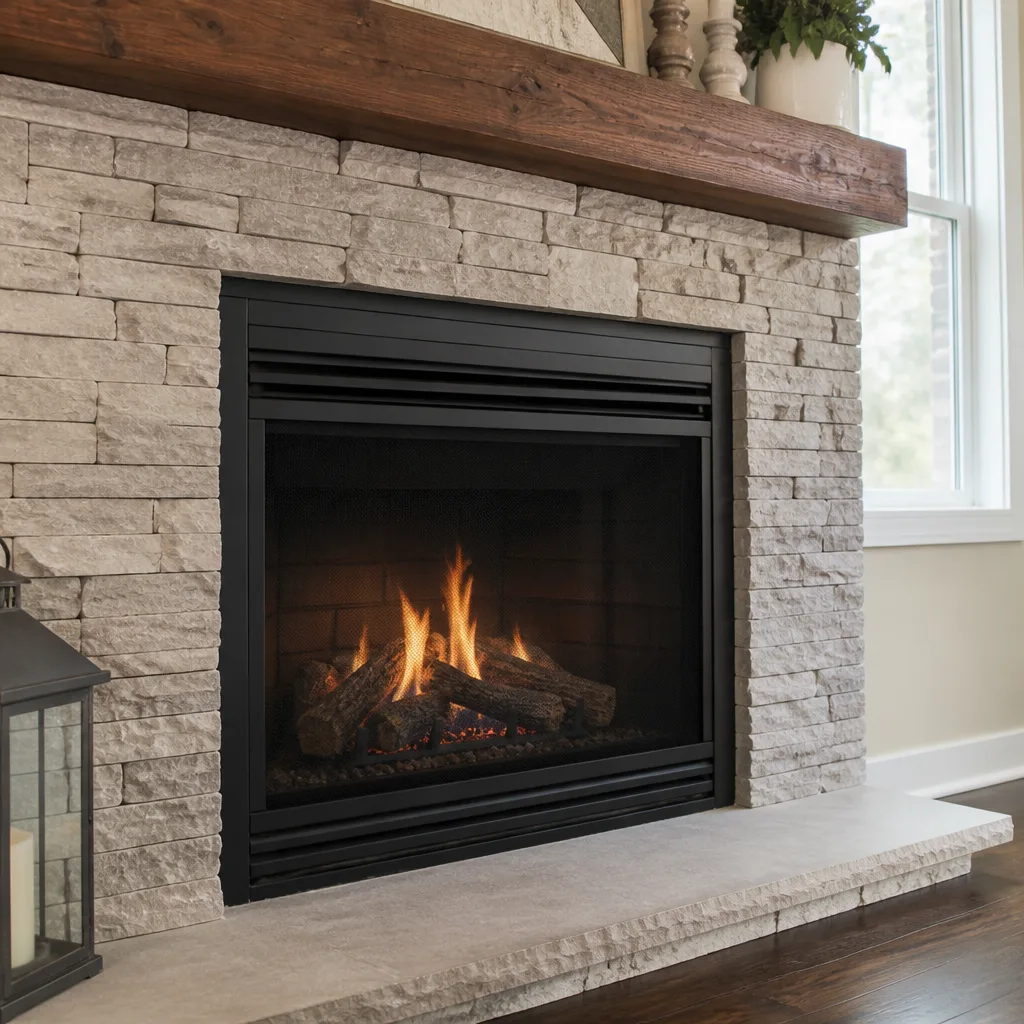 Gas fireplace service
Level 1 sweep and inspection to the NFPA 211 annual standard - flue, crown, cap, and flashing checked and photographed
Chimney sweep logs do not sweep chimneys. They loosen some creosote - which then falls where a brush and vacuum still have to collect it.
Seasonal Chimney Cleaning Care for Garden Grove: Year-Round Homeowner’s Guide
Most chimney advice you’ll find online assumes four real seasons: a cold winter burn, a wet spring, a hot summer, a crisp fall. Garden Grove doesn’t work that way. On the first cold night in November, plenty of homeowners here discover their flue is blocked, smoking, or drafting badly, and they assume the problem started that week. More often the damage was set up weeks earlier, in September, when dry Santa Ana winds pushed loose debris and animal nesting material deep into the flue while nobody was looking at the chimney at all. Mild weather hides chimney problems until the first fire makes them impossible to ignore. This guide walks through the four risk windows that actually shape chimney care in Garden Grove, what to check in each, and how to build a service schedule around them instead of a generic once-a-year sweep.
Quick Answer
Chimney care in Garden Grove runs on a four-window calendar, not a single annual sweep: September and October for wind-driven debris and nesting material, November through February for the burn season when partial blockages turn dangerous, March through May for bird nesting and cap integrity, and June through August for liner and crown work that goes best in dry heat. A sweep, an inspection, or both are typically scheduled in late summer and again in early spring to cover the two periods when debris accumulates fastest.
Styles & brands we work with
- Sweep & inspection
- Caps & crowns
- Flue relining
- Masonry repair
- Gas fireplace service
Table of Contents
- Why Garden Grove’s Mild Weather Hides Chimney Problems
- September – October: The Santa Ana Wind Window and Debris Entry
- November – February: Burn Season and Draft Problems
- March – May: Nesting Season and Cap Integrity
- June – August: The Repair and Relining Window
- Four Services, One Schedule: Sweep, Inspect, Repair, Protect
- What Chimney Work Typically Costs
- How to Build a Year-Round Chimney Calendar for Garden Grove
Why Garden Grove’s Mild Weather Hides Chimney Problems
A chimney in a place with hard winters gets checked because the cold forces the issue. Here, the burn season is short and the weather is forgiving, so a chimney can run for three or four years without a real inspection and never give obvious trouble in daily use. That’s the trap. The things that damage a chimney in Garden Grove are slow and quiet: debris settling in the flue during wind events, nesting material packed into a smoke chamber over a spring, water working its way past a cracked crown through a wet winter, and the gradual buildup of creosote inside a flue that gets used a few dozen times a year.
None of those announce themselves. They show up later as a smoky fireplace, a draft that pulls the wrong way, a smell in the room when the chimney isn’t in use, or a masonry stain you notice on the exterior wall months after the actual cause.
In our experience, the homeowners who have the fewest surprises are the ones who treat the chimney the way they treat the roof: checked on a schedule, not on a crisis. Our technicians have up to 9 years of experience across the full scope of chimney work, from routine cleaning to structural relining, and the pattern holds. The chimneys that need the least work are the ones somebody has been looking at twice a year.
The other reason mild weather matters: a lot of Garden Grove homes have older masonry chimneys built for a climate with more rain than we get and less wind pressure from a single direction. Those chimneys hold up well in normal conditions but are vulnerable to the specific combination of a dry wind event followed by a wet winter. We’ll walk through that in the fall and winter sections below.
September – October: The Santa Ana Wind Window and Debris Entry
September and October are the highest-risk weeks of the year for a blocked flue in Garden Grove, and it has nothing to do with fireplaces. The dry Santa Ana winds push loose material off roofs and trees, and whatever is loose up there has a good chance of ending up in an open chimney. A flue with a missing or damaged cap becomes a collection point.
What actually gets in during a fall wind event:
- Leaf litter and dried seed pods that pack into the smoke shelf and won’t blow back out
- Roofing granules and small debris that settle at the base of the flue
- Palm frond fragments, which are light enough to travel and dense enough to wedge
- Old bird nest material from the previous spring that loosens and drops down the flue
- Fine ash sitting in the firebox, which the wind can lift and redistribute into the smoke chamber
A partial blockage from wind-blown debris is the most common cause of a fireplace that smokes on its first use of the season. It doesn’t take a full plug. Even a few inches of loose material on the smoke shelf changes how the flue draws, and once the fire is lit, the smoke has nowhere to go but into the room.
This is also the window when warm afternoons and cooler nights start alternating, and any animal looking for shelter before winter looks at a chimney the same way it looks at a tree cavity. A cap with a properly sized screen closes that door. Our Chimney Sweep Garden Grove work in the fall leans heavily on cap and crown checks, because a cap that’s been holding through the summer is sometimes the only thing between a wind event and a stuffed flue.
What to check before the first fire
- Look at the cap from the ground with binoculars. Is it intact, straight, and does the screen still have its mesh?
- Open the damper and look up the flue with a flashlight. You’re not inspecting for defects; you’re checking whether the passage is clear.
- Light a small test fire and watch the smoke. If it drifts into the room instead of up, stop and book an inspection.
- Smell the firebox when the chimney is cold. A stale, sooty, or animal smell usually means nesting material or debris is sitting inside.
Do not climb onto the roof to check the cap yourself. A wet or leaf-covered roof is a fall hazard, and chimney-top inspection is safer from the ground with the right tools. If the cap looks wrong, that’s a professional call.
November – February: Burn Season and Draft Problems
Once the fires start in Garden Grove, a partial blockage from the fall stops being a nuisance and becomes a safety issue. A flue that’s drawing at 70 percent capacity can push smoke back into a room without ever looking fully blocked. That smoke carries carbon monoxide and fine particulates, and it can build up in a living space faster than most people expect.
Here’s the part that catches people: the fire often burns fine for the first hour. Then as the air in the room warms and the pressure balance shifts, the draft reverses and the smell arrives. Homeowners assume it’s the wood, or the damper, or the weather. It’s usually the flue.
Creosote also builds faster than most people think during this period. Wood that’s been sitting outside through a damp fall can hold enough moisture that it burns cooler than it should, and cooler flue gases leave more creosote on the walls. A chimney that was clean in October can have a real layer by January if the wood isn’t dry. Creosote is what actually burns in a chimney fire, and a quarter-inch layer is enough to sustain one. We are not telling you that to alarm you; we’re telling you because the fix is a sweep, and a sweep is straightforward.
Coastal moisture does its part too. Winter rain against the outside of a masonry chimney is the main way water gets into the structure in Garden Grove, and it enters through the crown, the cap, and any failed mortar joint at the top. Once water is inside the masonry, the freeze issue doesn’t apply here, but the wet cycle still damages: it softens mortar, spalls brick faces, and migrates toward the interior wall.
What to watch for during burn season:
- Smoke spilling into the room on startup or when the fire is running
- A persistent smoky smell in the house on days the fireplace isn’t lit
- Draft that seems weaker than last year
- Cracked or crumbling mortar visible on the chimney’s exterior
- Water stains on the ceiling near the chimney or on the chimney breast itself
Any of those means the chimney needs to be looked at, not used. Book a chimney sweep and an inspection together, and don’t burn until you’ve had an answer.
March – May: Nesting Season and Cap Integrity
Garden Grove’s urban tree canopy is dense, and birds figure out fast that an open chimney is a better cavity than a tree. March through May is when nesting activity peaks, and a chimney without a proper cap and screen becomes a nesting site within weeks.
The nesting problem isn’t only about blockage, though that’s real. Nest material holds moisture, and moisture against the inside of a flue accelerates deterioration. A nest packed into a smoke chamber over a full spring can pull down the flue’s condition by the time fall arrives, even if the chimney is never used during that period.
Spring is also the best time of year to find out the cap has failed. Winter storms and wind events are what typically damage caps and crowns, and the damage is often invisible from below. By March, a cracked crown or a cap missing its screen has already let in months of water. Catching it in spring gives you the whole dry season to get it fixed before the next wet winter.
What spring chimney care looks like here:
- A sweep to clear the flue of any nest material, debris, and the winter’s creosote before nesting starts in earnest
- A visual check of cap and screen, from the ground and from the top
- A crown inspection for cracks, separation at the flue, and missing mortar
- Confirmation that the flue is clear of anything living before the burn season ends
If a bird has already moved in, don’t light a fire to move it along. That’s a carbon monoxide risk and an animal welfare issue. Have the nest cleared professionally and the cap repaired the same visit so it doesn’t happen again.
Caps and crowns are the most overlooked part of the whole chimney system. Our chimney repair work in spring tends to focus on them because caps and crowns are the leading entry point for water damage, and most homeowners don’t discover the problem until interior damage is already underway. A stainless cap with the right mesh, seated properly on a sound crown, closes off both the nesting risk and the water risk in one step.
June – August: The Repair and Relining Window
Summer is the only stretch of the Garden Grove year when the weather cooperates with restoration work, and it’s the window most guides skip entirely. If a chimney needs a liner or a resurfaced flue, doing the work in dry, warm conditions gives the material the best chance to cure properly and finish before the burn season starts.
What gets done in summer:
- Liner inspection: a camera run through the flue shows the actual condition of the liner interior, including gaps, cracks, and deteriorated joints that visual inspection from the firebox can’t reach.
- HeatShield resurfacing: for flues with damaged interiors, HeatShield can often restore the surface without a full liner replacement. That’s a repair most sweep-only operations can’t offer, and it’s usually the difference between a resurfacing job and a full relining.
- DuraFlex relining: where the flue is structurally compromised, a DuraFlex flexible liner system addresses the root cause rather than masking it. A flexible liner lets us reline a chimney that would otherwise be a masonry rebuild.
- Crown repair and replacement: warm, dry weather lets crown materials cure fully, and there’s time to get it right before the first rain.
- Cap installation: a properly sized stainless cap with the right screen for the flue’s actual dimensions, not a one-size fits-most substitute.
A camera inspection in summer gives you something you can’t get any other way: a picture of what’s actually inside your flue. That’s the evidence behind any recommendation we make. If the camera shows the liner is sound, we’ll tell you so and the chimney doesn’t need relining. If it shows a problem, you’ll see the same image we do. That standard – nothing recommended without camera evidence you can view yourself – is the one thing that separates a real inspection from a sales pitch.
Summer is also when you’ll have the easiest time booking, because most Garden Grove homeowners are thinking about the fireplace in November. Getting on the schedule in June or July means the work is done and cured well before the first fire. If you want a full picture of your chimney before the season, July is the month. Call (877) 770-1311. We answer 24/7. Fast dispatch from 7am to 7pm, Sunday through Friday.
Four Services, One Schedule: Sweep, Inspect, Repair, Protect
The four-window calendar only works if you know which service belongs in which window. Our five service categories map to the seasons more cleanly than most people expect, and knowing the difference means you don’t pay for a repair when a sweep is all you need – or skip a repair because nobody looked.
- Chimney sweeping. Best done in late summer (before the burn season) and again in early spring (after nesting season, before the next round of warm weather). A sweep clears the flue of soot, creosote, debris, and nesting material so that the firebox and smoke chamber are actually clear.
- Chimney inspection. Schedule the full inspection in early summer or just before the first fire. An inspection is a camera run and a visual check of the flue, the cap and crown, the firebox, and the masonry exterior. It’s the part that tells you what’s actually going on.
- Fireplace repair. Damper problems, firebox cracks, and smoke chamber issues show up during burn season but are better fixed before it. If your fireplace is smoking or the damper won’t seat, a fireplace repair visit belongs in the summer window.
- Chimney repair. Masonry repairs, mortar joint work, and crown repairs are best tackled in the dry summer months when materials cure properly.
- Chimney cap and crown installation. Spring or early summer is ideal. Install before nesting season peaks if you can, but early summer is fine if you’ve already missed the window.
One call covers the full picture: inspection, cleaning, repair, and protection. Nobody needs to coordinate a sweep from one company and a cap installer from another. The same visit that finds a cracked crown can quote the repair and the cap that prevents the next one. We work with professional-grade materials – HeatShield, DuraFlex, Copperfield, Gelco, Olympia Chimney, Famco – the same lines certified chimney specialists rely on nationwide. We’re not saying what a general handyman can’t do; we’re saying that for chimney-specific work, the material matters.
What Chimney Work Typically Costs
Chimney work in Garden Grove is priced per job, not by a flat national rate, because the range depends on the chimney, the number of flues, the amount of buildup, and whether the job is a sweep or a repair. The estimates below are typical ranges, and the written estimate sets the final price. The estimate itself is free.
- Standard chimney sweep (single flue, routine cleaning): typically $150 – $300
- Chimney sweep with a cap or screen add-on: typically $200 – $400 depending on cap size and material
- Full chimney inspection (camera + visual, written report): typically $100 – $250, often bundled with a sweep
- Cap and crown installation: typically $300 – $800 depending on chimney size, cap material, and crown repair scope
- HeatShield flue resurfacing: typically $1,200 – $3,000 depending on flue length and condition
- DuraFlex relining: typically $2,000 – $5,500 depending on liner diameter, length, and any masonry repair
- Fireplace repair (damper, firebox): typically $250 – $1,200 depending on the repair
These are ranges, not quotes. Two chimneys on the same block can come in at different prices because one is a straight clay flue and the other is a forty-year-old chimney with a compromised crown and a partially blocked smoke chamber. The written estimate, built from what the camera actually shows, is what sets the final number.
What we won’t do is recommend a relining or masonry repair without showing you the camera evidence first. If the liner is sound, we’ll say so and send you a sweep invoice. If the liner isn’t sound, you’ll see the image. Plenty of chimney work can safely wait a season or more; the ones that can’t, we’ll tell you plainly.
Booking a sweep in Garden Grove also gets you a camera inspection and a photo report as part of the visit, and our technicians work from a flat-price sweep agreed before the appointment, so the number doesn’t move once we’re on site. If you want exact pricing for your chimney, call (877) 770-1311.
How to Build a Year-Round Chimney Calendar for Garden Grove
The default “get a sweep once a year” advice isn’t wrong, it’s just too vague to be useful in a place where the risk windows sit two months apart. Here’s a calendar built around Garden Grove’s actual season pattern.
The annual four-window schedule
- Late August / early September: Book a sweep and inspection before the Santa Ana winds start. A clean flue and an intact cap are the best defense against the fall debris window.
- October: Check the cap and screen from the ground. If nesting material or debris has gotten in, get it cleared before the first fire.
- November through February: Burn season. Watch for smoke, smell, and draft changes. If any of those appear, stop burning and book an inspection. Don’t wait for spring.
- March / April: Post-burn sweep and a nesting check. Get the flue cleared and the cap confirmed before nesting season hits full stride.
- May: Cap and crown inspection. Repair anything the winter damaged before the dry season makes the repair easy.
- June / July / August: The restoration window. Camera inspection, HeatShield resurfacing, DuraFlex relining, crown work, and cap installation all get done here.
Two visits a year is typical for a wood-burning chimney in Garden Grove that sees regular use. A gas fireplace needs less frequent cleaning but still needs an annual inspection, because the liner condition matters just as much and the venting issues don’t announce themselves. A home being prepared for sale needs a documented inspection with photos, and the fastest way to book that is to call and say so.
Your chimney cap and crown are your first line of defense against water damage, and most of the seasonal damage we look at in Garden Grove traces back to one of them failing without anyone noticing. The service calendar above is really just a way of checking them twice a year, when it’s cheap and easy, instead of once every four years, when it isn’t.
The schedule doesn’t need to be rigid. If you burn every night from November to February, you may need a midseason sweep. If the fireplace goes unused for a year, an inspection is still worth doing because the damage in Garden Grove is often seasonal, not burn-related. The calendar is a starting point; the inspection tells you what your specific chimney actually needs.
Common Mistakes to Avoid
- Assuming mild weather means low maintenance. Garden Grove’s climate is forgiving enough that a chimney can run for years without obvious problems while debris and moisture work quietly in the background. The absence of trouble isn’t evidence of good condition.
- Skipping the fall debris check. Santa Ana winds push material into open flues, and a partial blockage from a wind event is the most common cause of a smoky first fire. Check the cap and the flue before the first burn.
- Lighting a fire in a chimney that hasn’t been swept in over a year. If you can’t remember the last sweep, that’s the answer. Book one before you burn, not after the fireplace smokes.
- Installing a big-box cap without checking the flue dimensions. An undersized screen or a cap with too fine a mesh can restrict draft or clog with creosote. A cap is a chimney part, not a hardware item.
- Treating a smoky fireplace as a wood problem. It’s almost never the wood. Smoke is a symptom of a draft problem or a blockage, and both need an inspection, not a different log.
- Letting a bird nest sit until fall. Nest material holds moisture against the flue interior. What a bird leaves in the spring can cost a HeatShield resurfacing by the time you notice in the fall.
- Agreeing to a full relining without seeing camera evidence. Every recommendation should come with a picture of what’s actually inside your flue. If the technician can’t show you, don’t agree to the work.
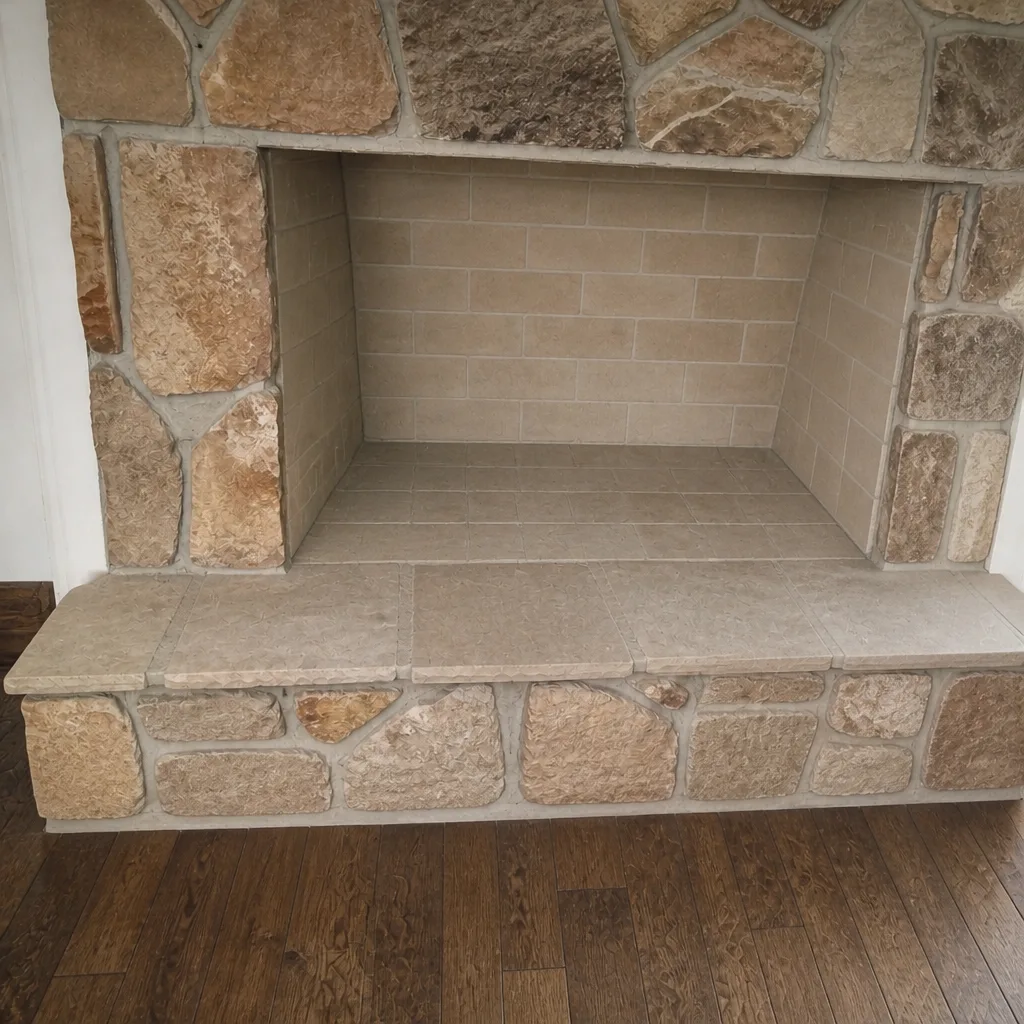
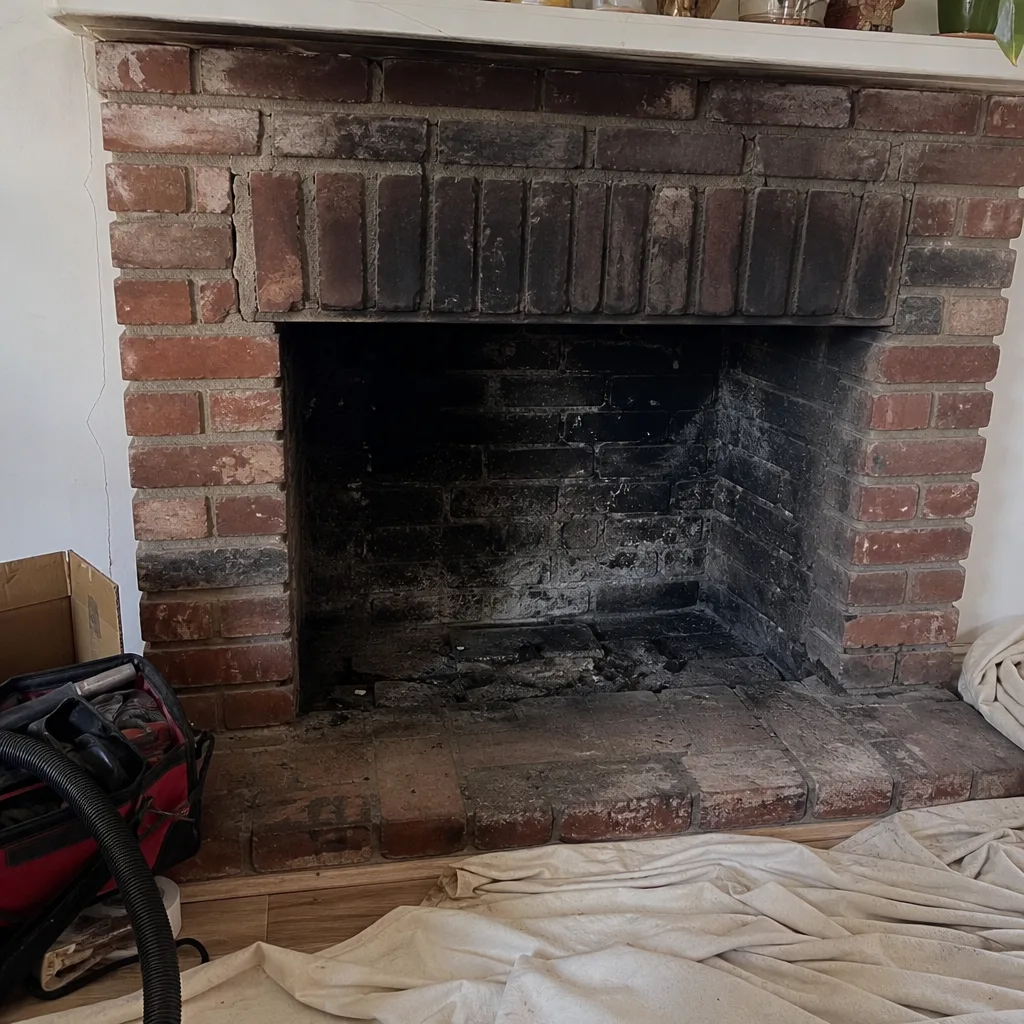
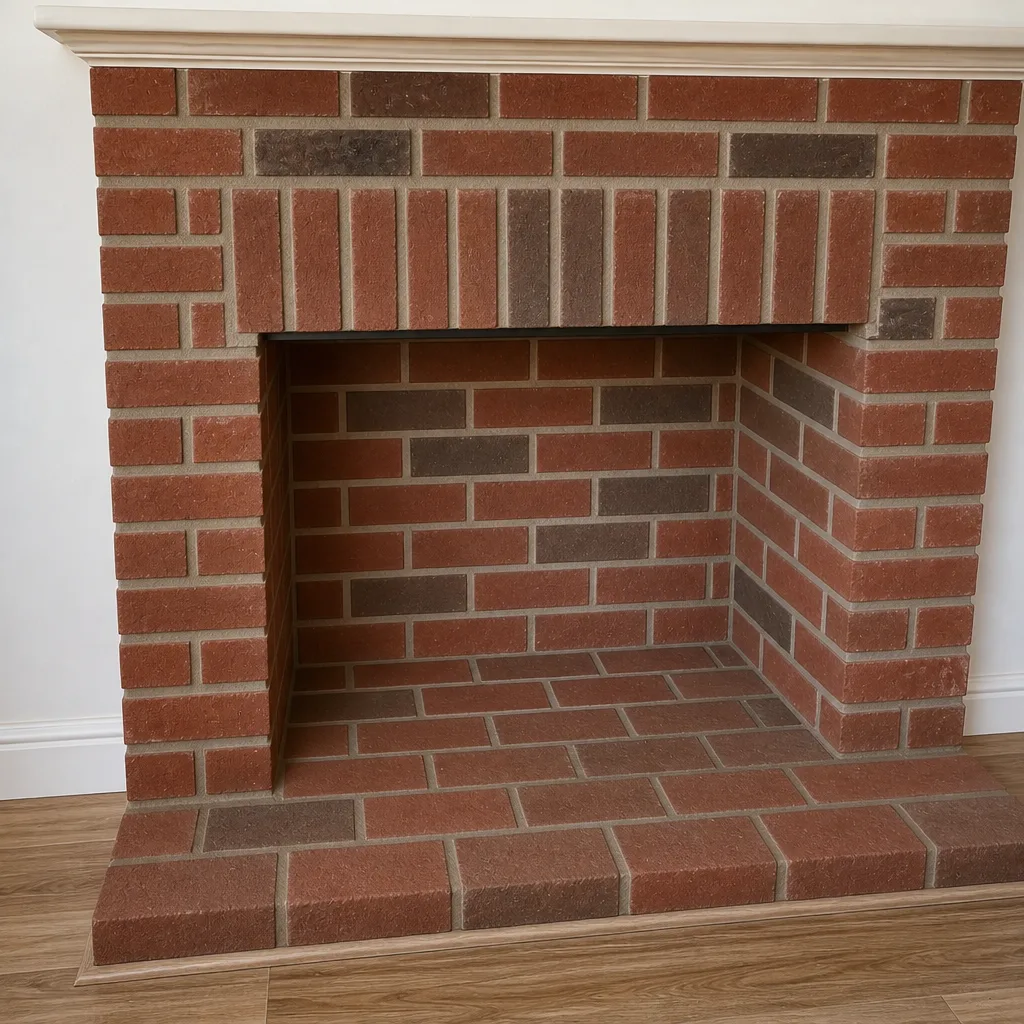
See the difference
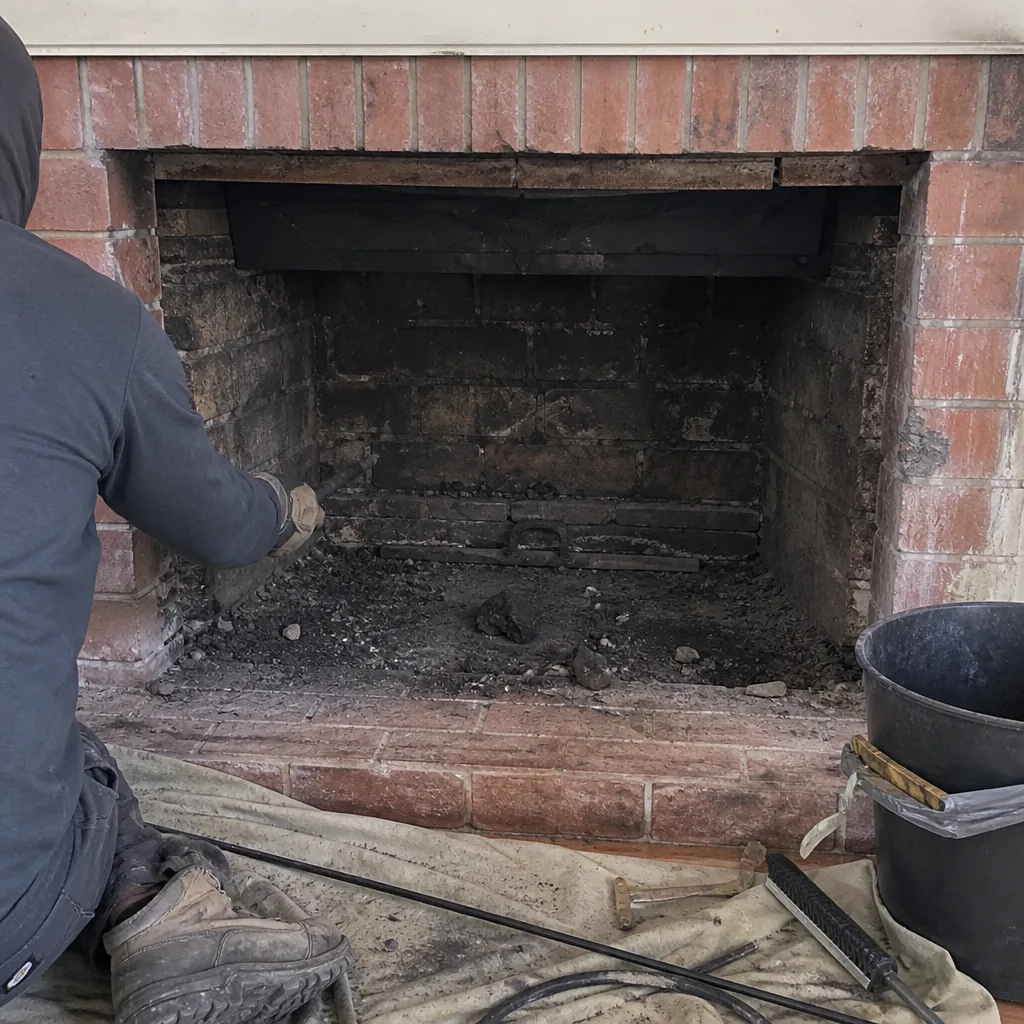 Before
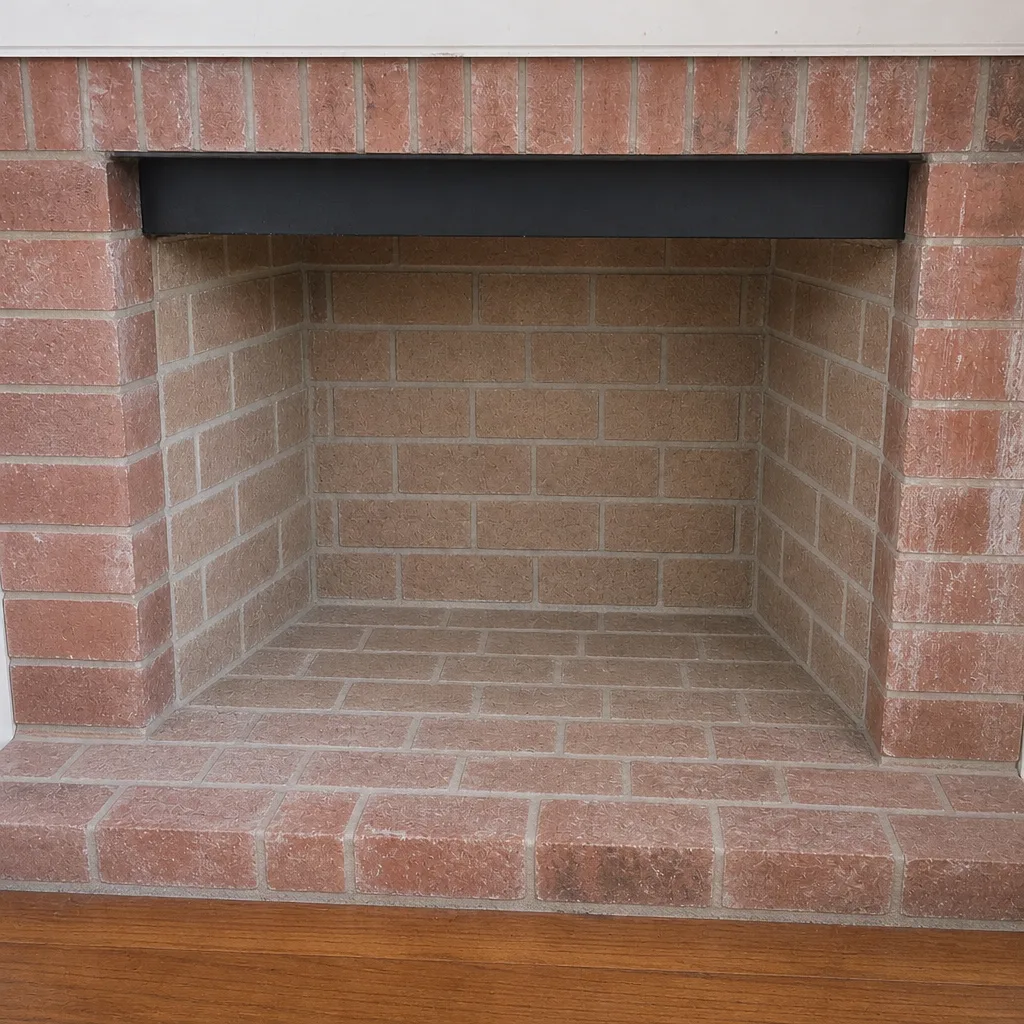 After
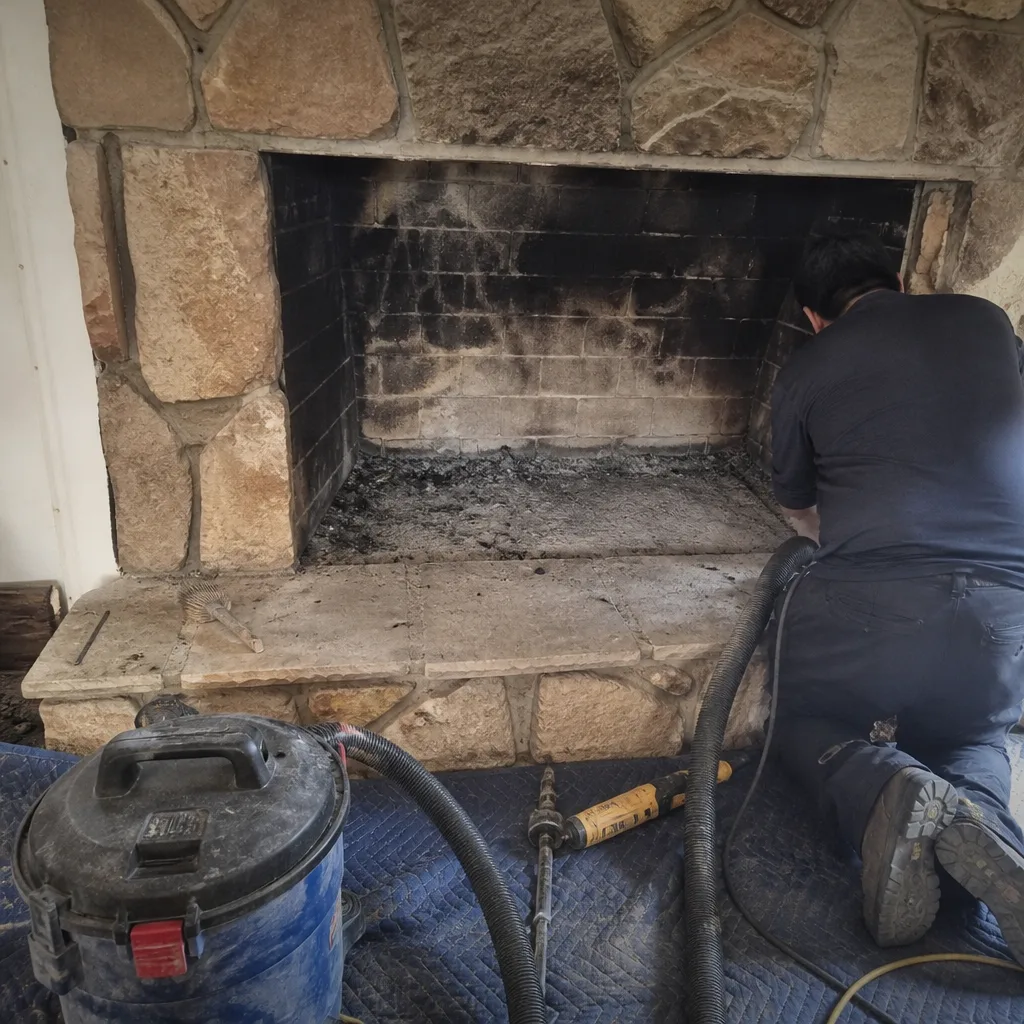 Before
 After
 Before
 After
When to Call a Professional
Some chimney work is a schedule question; some is a stop-burning-now question. Call us when the fireplace smokes into the room, when you notice a sooty or smoky smell on days you’re not burning, when you see water stains on the ceiling near the chimney, when the damper won’t close or open fully, or when the chimney’s exterior shows cracked mortar or missing brick. Call before listing a home for sale if you need documented chimney condition, and call if the chimney hasn’t been inspected in over a year and you can’t confirm the last sweep. Also call if you’re unsure – that’s what the inspection is for, and it’s better to confirm a clean flue than to wonder.
Chimney Sweep Garden Grove offers free estimates in Garden Grove – call (877) 770-1311. We answer 24/7. Fast dispatch from 7am to 7pm, Sunday through Friday.
Frequently Asked Questions
Twice a year is typical for a wood-burning chimney that sees regular use, with one sweep in late summer before the Santa Ana wind window and one in early spring after the burn season. A gas fireplace needs an annual inspection rather than an annual sweep, but the inspection still matters. If you burn intensively through the winter, a midseason sweep may be worth booking. Call (877) 770-1311 for an exact schedule recommendation – estimates are free.
A standard chimney sweep in Garden Grove typically runs $150 – $300 for a single flue, and a sweep bundled with a camera inspection typically runs $250 – $450. The written estimate sets the final price, and the on-site price we quote is a flat price agreed before the appointment. Call (877) 770-1311 for an exact quote – estimates are free.
Not unless the camera shows the existing liner is damaged. Many chimneys that get quoted for a full relining only need HeatShield resurfacing, which restores the flue interior without replacing the liner. Some don’t need either. The camera inspection is what answers the question, and you should see the image before you agree to anything. Call (877) 770-1311 and we’ll run a camera through the flue and show you what’s there.
Usually nothing visible, which is the problem. The debris that blows in during one fall doesn’t clear itself, and creosote builds up gradually through the burn season. The consequence isn’t a dramatic emergency; it’s a chimney that’s harder to draw than it was last year, a masonry exterior that’s absorbed a season of water it didn’t need to, and a liner that’s a little less sound than the camera would have shown if someone had looked. Skipping one season is recoverable. Skipping four is what turns a sweep into a relining. Call (877) 770-1311 to get on the schedule.
You can, and some homeowners do, but the parts that matter most – the flue liner interior, the smoke chamber, the crown, and the cap – are the parts you can’t see or reach from below. A DIY brush and rod will clear soot from the firebox up, but it won’t tell you whether the liner has a gap or the crown is cracked. A camera inspection is usually what turns the annual task into actual information. Call (877) 770-1311 if you want the inspection without the climb.
Yes, especially with the tree canopy and the fall wind pattern here. A cap with a properly sized screen keeps rain, debris, and nesting birds out of the flue. It’s the most cost-effective chimney protection you can buy, and it addresses the leading entry point for water damage. Most caps are installed in the same visit as a spring or summer sweep. Call (877) 770-1311 to have your cap and crown checked – the estimate is free.
The Bottom Line
Garden Grove chimney care isn’t a once-a-year appointment; it’s a four-window calendar built around the actual seasonal pattern here – fall wind debris, winter draft and moisture, spring nesting, summer restoration. Get a sweep and inspection before the first fall wind, watch the chimney through burn season, clear the flue and check the cap in spring, and use the dry summer months for liner inspection, HeatShield resurfacing, relining, and cap and crown work. Schedule by condition, not by default, and ask to see the camera evidence before agreeing to any repair. The chimney that runs quietly all year is the one somebody checked twice.
Written by the team at Chimney Sweep Garden Grove.