
Last updated November 23, 2026
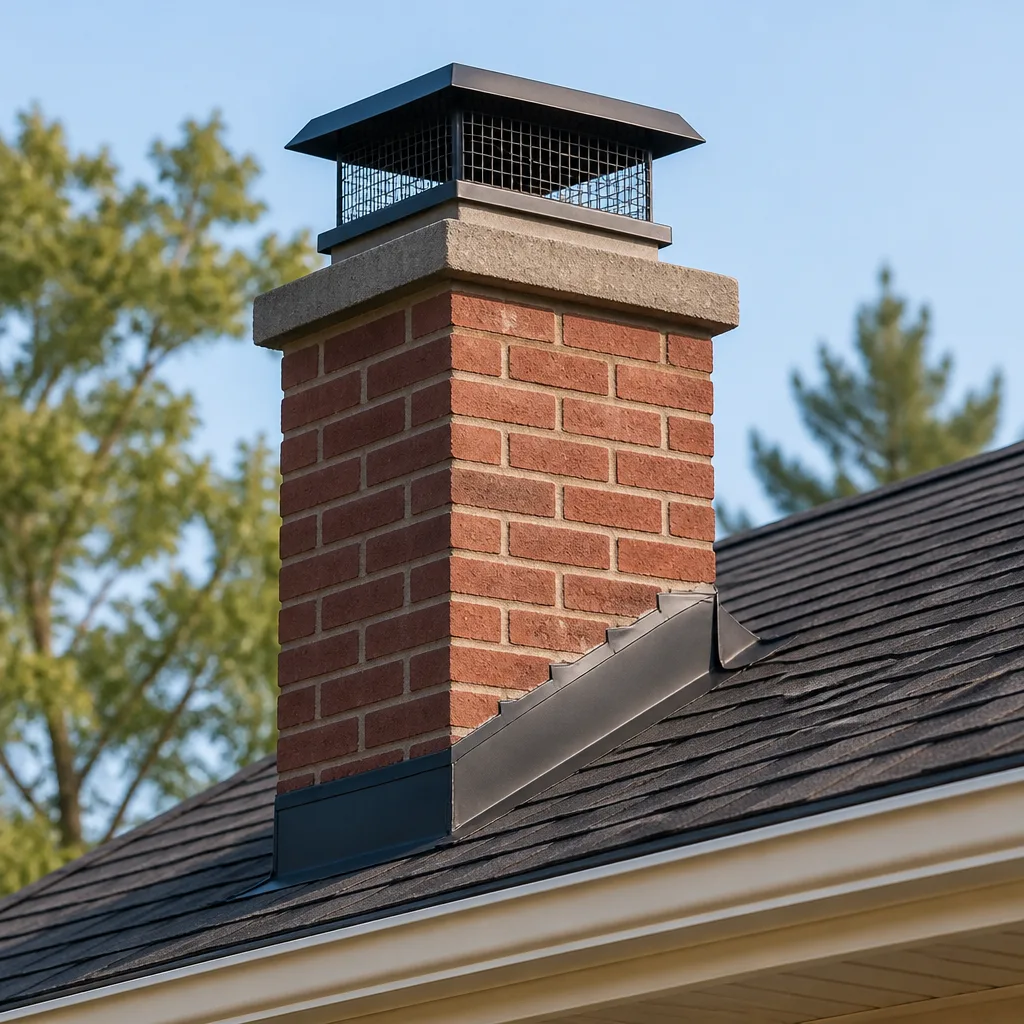 Sweep & inspection
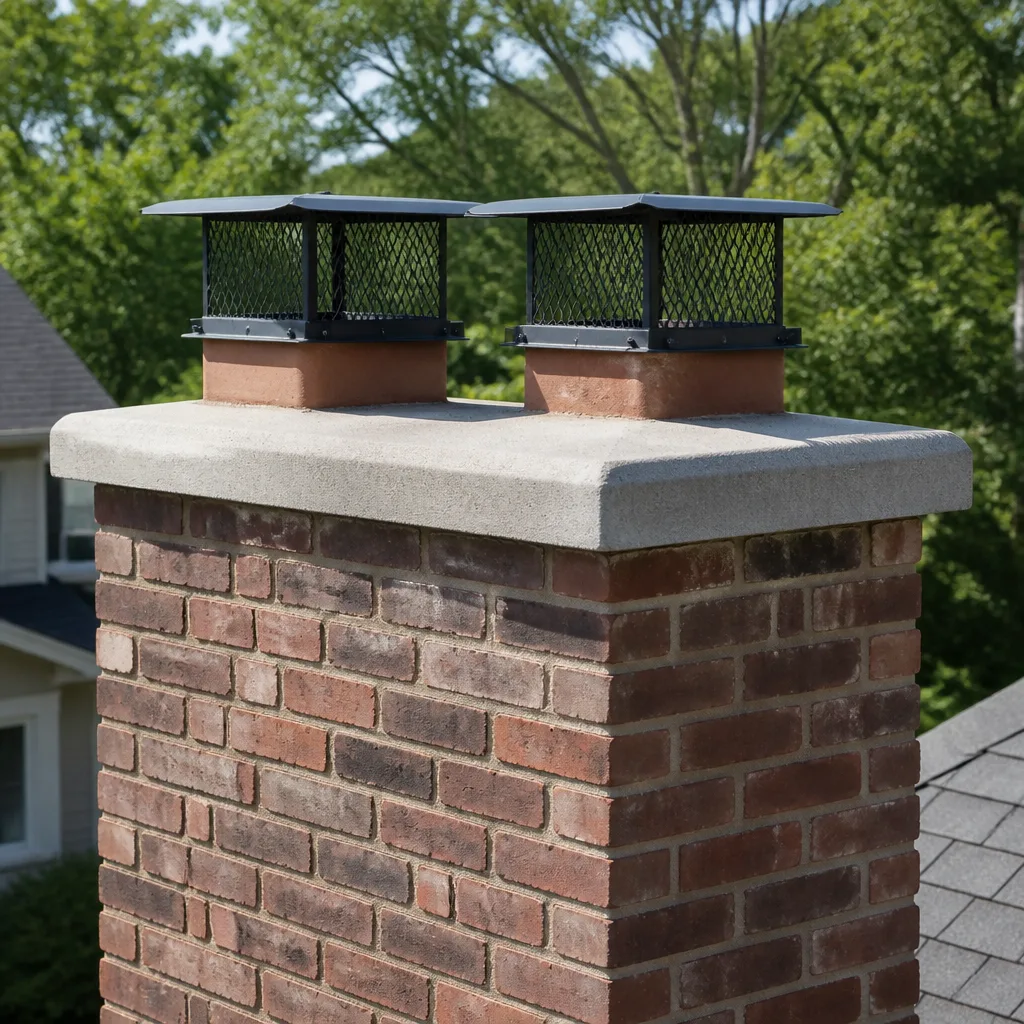 Caps & crowns
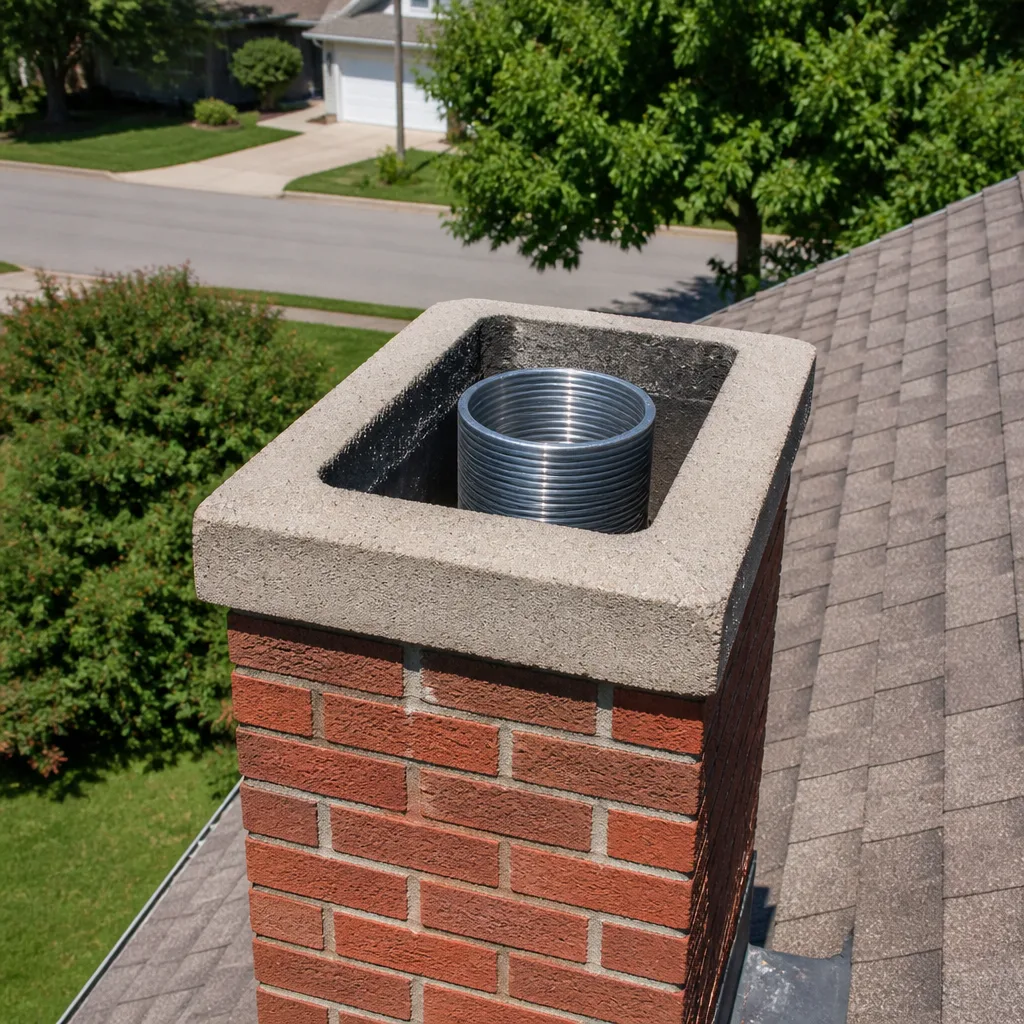 Flue relining
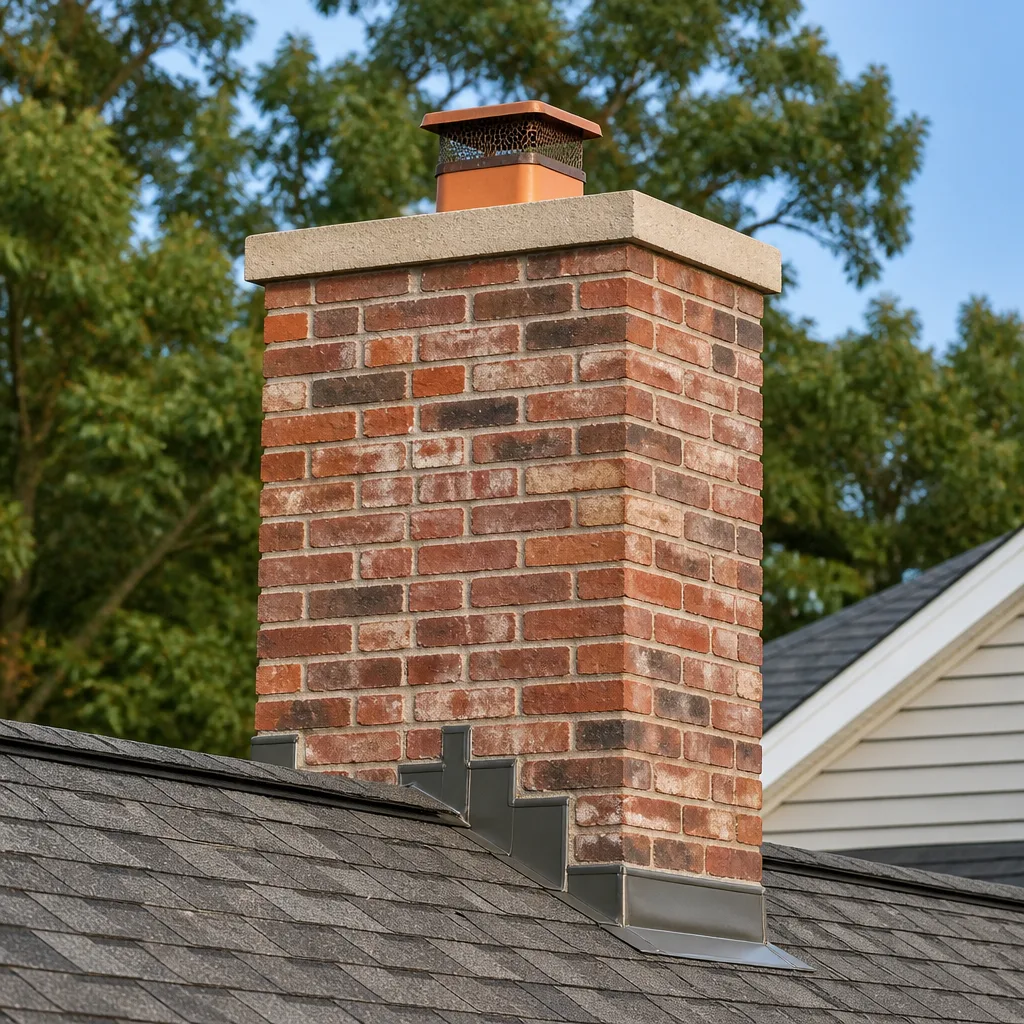 Masonry repair
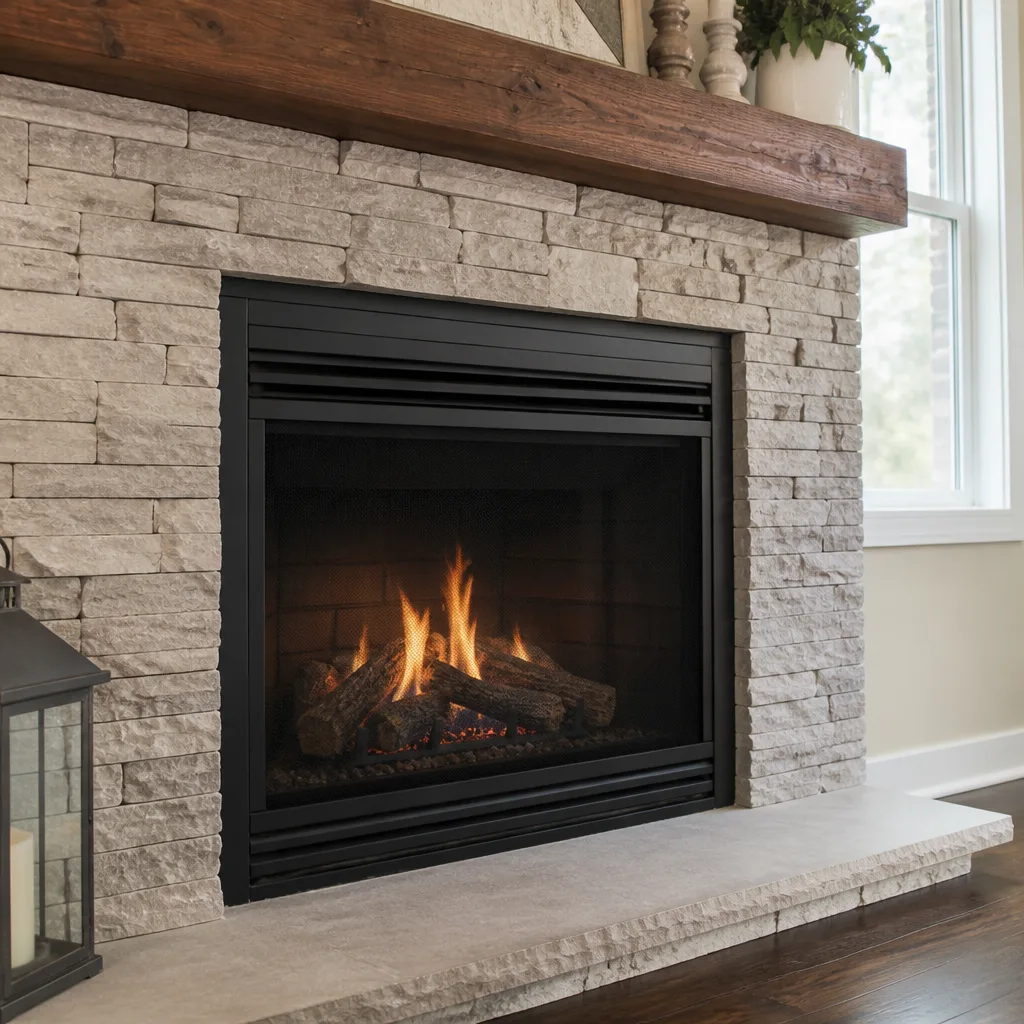 Gas fireplace service
Level 1 sweep and inspection to the NFPA 211 annual standard - flue, crown, cap, and flashing checked and photographed
Chimney sweep logs do not sweep chimneys. They loosen some creosote - which then falls where a brush and vacuum still have to collect it.
How to Hire a Chimney Cleaning Contractor in Garden Grove: A Step-by-Step Guide
A CSIA-certified technician and a person with a brush and a flyer use the same word – “chimney sweep” – and charge wildly different prices for work that isn’t remotely comparable. That’s the core problem with hiring in this trade. Chimney cleaning has a low barrier to entry, which means the market in Garden Grove attracts everyone from career specialists who carry proper certification and trade-grade materials to transient operators running bait-and-switch pricing. The price on the flyer tells you almost nothing about what you’re actually buying. This guide walks you through the vetting questions, credential checks, and bid-comparison tactics that separate a legitimate specialist from a risky one, so you can book with confidence instead of guesswork.
Quick Answer
To hire a chimney cleaning contractor in Garden Grove, verify CSIA certification independently, confirm an active California contractor’s license for any repair work, demand a written scope of work before the sweep begins, and compare bids only when they list the same inspection level and equipment. A legitimate contractor will provide all of this without pressure. If any of those four items is missing, keep looking.
Styles & brands we work with
- Sweep & inspection
- Caps & crowns
- Flue relining
- Masonry repair
- Gas fireplace service
Table of Contents
- What Does CSIA Certification Actually Mean – and How Do You Verify It?
- What Are California Licensing Requirements for Chimney Work?
- What Are the Red Flags in Chimney Service Ads?
- What Should a Legitimate Estimate Include?
- How Do You Compare Bids When Scopes Don’t Match?
- What Are the Three Levels of Chimney Inspection?
- Why Do Materials and Brands Matter to Homeowners?
- What’s Specific to Hiring in Garden Grove?
What Does CSIA Certification Actually Mean – and How Do You Verify It?
CSIA certification means the technician has passed a written exam and a hands-on performance evaluation administered by the Chimney Safety Institute of America, and has committed to a code of ethics. It is a voluntary credential, not a government license, which is exactly why it matters: the person who holds it chose to be tested.
Here’s what the certification covers in practice. A CSIA-certified sweep has demonstrated competence in sweeping methods for wood-burning and gas appliances, inspection procedures at all three levels, understanding of venting and clearances, and knowledge of how chimney fires start and how to document their evidence. The exam is not trivial. A person with a brush and a ladder can clean a flue; a certified technician can also tell you whether the flue is safe to use, what condition the liner is in, and what to do about the problems they find.
How to Verify CSIA Certification
- Ask the company to provide the name of the certified technician who will actually do the work (or supervise it). Certification attaches to a person, not a company.
- Look up that name on the CSIA’s online directory of certified professionals.
- Ask whether the technician carries current CSIA certification or is in a renewal cycle – certification requires continuing education to stay current.
- Confirm the company carries general liability insurance and can provide a certificate of insurance on request.
- Ask for a written scope of work before anything is scheduled.
The insurance piece deserves emphasis. A company working without liability coverage is a company whose mistakes become your financial problem. Ask for the certificate of insurance directly. A legitimate contractor will send it without hesitation. If the request gets deflected or delayed, that’s your answer.
For homeowners who want the bigger picture of what a proper standard of care looks like on a sweep, our guide to chimney sweep procedures covers what a professional actually does during a visit and how long each step should take.
What Are California Licensing Requirements for Chimney Work?
California draws a line that many homeowners miss: cleaning-only work generally does not require a state contractor’s license, but repair and structural work does. The moment a contractor starts proposing to rebuild a crown, replace a liner, or repair masonry, you’re in licensed-contractor territory under the California Contractor’s State License Board (CSLB).
This distinction is one of the most useful things to understand before you hire in Garden Grove. A company that only sweeps can legally operate without a license. A company that quotes you thousands of dollars in liner and masonry repair needs to hold an active license for that scope. Chimney work typically falls under the “C-29 Masonry” classification or a general building classification depending on the scope, so ask the contractor which classification they hold and for what specific work.
Verifying a License with the CSLB
- Ask for the license number, then look it up independently on the CSLB website. The search is free.
- Check that the license status is “Active” and that the classification matches the work being proposed.
- Confirm the business name on the license matches the name on your estimate and contract.
- Ask whether the license includes workers’ compensation coverage if the company employs technicians.
- Confirm the license is in good standing with no disciplinary actions on record.
An unlicensed contractor who takes a deposit and disappears, or who causes structural damage that your homeowner’s policy won’t cover because the work was unlicensed, leaves you with limited recourse. The CSLB publishes guidance on exactly this scenario, and it’s worth ten minutes of reading before you sign anything. If a proposed repair scope goes beyond cleaning, ask the licensing question first and make the answer part of your decision.
When you’re weighing a cleaning estimate against a repair estimate, our chimney repair page explains which problems actually require licensed structural work and which are maintenance items.
What Are the Red Flags in Chimney Service Ads?
Unusually low flat rates are the single most reliable red flag in chimney service advertising. A price well below the local going rate for a standard sweep is almost always a loss leader designed to get a technician inside the house, where a “discovery” of serious damage becomes the real sales pitch. The sweep was never the product; it was the appointment.
In our experience around Garden Grove, the pattern repeats in recognizable ways. Here’s what to watch for.
Pricing and Sales Red Flags
- A flat rate far below typical: A cleaning fee that looks like a bargain usually comes with a required “inspection” that generates upsells. Ask what the price includes and what’s excluded.
- Damage found only mid-service: If a technician suddenly reports a cracked flue or a “missing liner” that wasn’t discussed at booking, stop and ask for photographic evidence before agreeing to anything.
- Pressure to sign today: Legitimate repair work can wait days. A contractor who claims the chimney is unsafe and demands a same-visit deposit is selling urgency, not safety.
- No written scope before work begins: Any company that starts the job before issuing a written description of what’s being done and for how much is working without accountability.
- Cash-only payments with no receipt: This arrangement removes your ability to dispute a charge and often signals no business registration or insurance.
- No physical local presence or verifiable references: Ask for two or three references from nearby addresses and actually call them. A company with no verifiable local customers is a company you should question.
The Mid-Service Upsell Test
Here’s the practical question to ask yourself if a technician reports a problem on the day of the visit: is the evidence in your hands? A legitimate specialist will show you photographs or video of the flue interior before recommending work. If you can see the condition yourself and the scope is written down, you can evaluate it. If the diagnosis is verbal and the evidence stays on the technician’s phone, you’re being sold something you can’t verify. Ask to see it, and ask for the written scope. A specialist who is confident in the diagnosis will happily provide both.
Bait-and-switch operations also tend to avoid putting quotes in writing because the terms are meant to shift. Every legitimate estimate includes a written scope, and ours does too – it’s part of how we work. For a deeper look at how to spot an unsafe flue, our fireplace repair page covers the symptoms that actually warrant action.
What Should a Legitimate Estimate Include?
A legitimate chimney estimate should include five elements: the inspection level performed, the condition of the liner with any defects noted, the equipment used during service, the specific work to be done and its cost, and the warranty terms. If any of those is missing, the estimate is incomplete and shouldn’t be compared against a fuller one.
Most homeowners focus on the bottom-line number and nothing else. That’s the mistake that lets lower bids win jobs they’re not actually qualified for. The line-item detail is what tells you whether a bid is honest. Here’s what a proper estimate covers.
Line-Item Checklist for a Chimney Estimate
- Inspection level performed: Level 1, 2, or 3 – each has a different scope, and the estimate should say which one was done and why.
- Liner condition notes: Specific observations about cracks, gaps, spalling, and any signs of a past chimney fire. “Liner looks fine” is not enough detail.
- Equipment used: Rotary sweep heads, cameras, drop cloths, and HEPA vacuums are professional-grade. Hand brushes and a shop vac are not.
- Scope of work: A written description of every task, itemized with prices, so nothing gets added later without your sign-off.
- Warranty terms: What’s covered, for how long, and whether the manufacturer’s warranty on materials like DuraFlex or Copperfield products transfers to you.
- Materials and brands specified: If a repair is proposed, the estimate should name the materials, not describe them vaguely.
- Estimate validity: A reasonable window so you can decide without pressure.
The reason brand specificity matters is that professional-grade chimney materials are not interchangeable with big-box substitutes. When an estimate names Olympia Chimney or Famco components, you can look up those products and confirm that the quoted part is what’s actually going in your flue. When the estimate says “new liner” and nothing else, you have no way to know whether you’re getting a flexible stainless system rated for your appliance or an inexpensive substitute that may not hold up.
The same principle applies to resurfacing work. HeatShield resurfacing can restore a damaged flue interior without a full liner replacement, and HeatShield application is a capability most sweep-only companies don’t have. If your estimate offers you a resurfacing option instead of a full reline, that’s a good sign someone is thinking about the least invasive fix. If a company can’t offer it, the only repair path they have is the expensive one.
How Do You Compare Bids When Scopes Don’t Match?
You compare bids accurately by normalizing scope first and price second. Four bids on the same “chimney cleaning” can represent four genuinely different jobs – one may include a Level 1 inspection, one a Level 2 with camera, one may sweep only the firebox, and one may propose a liner replacement your chimney doesn’t need. If the scopes don’t match, the prices aren’t comparable.
The right move is to write down what each bid promises in the same categories and see where the differences are. A simple normalization table makes this straightforward.
Bid Normalization Steps
- List every bid side by side.
- For each, write down the inspection level, the equipment named, the number of flues or appliances covered, whether the liner was camera-inspected, and whether the bid includes cleanup and a written report.
- Identify the bid with the most complete scope. That becomes your baseline.
- For each other bid, subtract what’s missing and ask the contractor to add it and re-quote.
- Compare the re-quoted numbers against the baseline, and compare the quality of the materials named.
- Confirm warranty terms match what the material manufacturer specifies.
- Confirm licensing and insurance for any repair scope.
In most cases, the lowest bid turns out not to be a lower price but a smaller job. Once you add the missed inspection level, the camera, or the cleanup, the numbers converge. And sometimes a higher bid is worth it because it names HeatShield or DuraFlex materials with a legitimate warranty while a lower bid leaves the materials unspecified. This is why an apples-to-apples comparison takes twenty minutes and can save you thousands – the difference between a full liner replacement and a resurfacing job can be substantial, and only one of those may be the right answer.
Homeowners who don’t get a written scope in the first place have nothing to compare. Ask for written terms, then compare them. That’s the whole method.
What Are the Three Levels of Chimney Inspection?
The National Fire Protection Association defines three inspection levels, and the estimate you receive should specify which one is being performed. The level determines how much of the chimney gets examined and what equipment is used.
- Level 1: A visual inspection of readily accessible portions of the chimney and connected appliance, with no tools that could damage the structure. This is the standard inspection for a chimney that’s used routinely under the same conditions.
- Level 2: Everything in Level 1 plus accessible portions of the attic, crawlspace, and other concealed areas, using a camera to inspect the flue interior. This is required after a chimney fire, when the appliance or fuel type changes, when a property changes hands, or when the flue has never been inspected.
- Level 3: Everything in Levels 1 and 2 plus removal of parts of the chimney or building structure when necessary to access concealed areas. This is only used when a serious hazard is suspected.
Homeowners shopping for a sweep should ask two things: which level is included in the quoted price, and whether a camera is used. A cleaning estimate that includes only a Level 1 inspection is appropriate for a routine annual sweep. A bid that proposes structural repair without a camera inspection is a red flag, because the diagnosis wasn’t grounded in evidence.
A Level 2 inspection is also the standard for anyone preparing to sell a home, because it produces a documented record of chimney condition. Buyers and their inspectors are increasingly asking for this, and a clean report can prevent a renegotiation on the way to closing. For homeowners buying or selling in Garden Grove, this detail saves real headaches later.
Why Do Materials and Brands Matter to Homeowners?
Professional-grade chimney materials carry manufacturer warranties, meet UL listings for the appliance types they’re rated for, and hold up over time. Retail substitutes don’t always. The brand names on an estimate tell you which of those you’re getting.
The chimney industry has a well-established supply chain of trade-grade materials, and the companies that work with it can stand behind their installs. Brands like DuraFlex, HeatShield, Olympia Chimney, Famco, and Copperfield are used by chimney professionals across the country. When you see these names on a written estimate, you know what’s going into your flue and you can verify the manufacturer’s spec sheet for your appliance. When the estimate simply says “liner” or “cap,” you’re taking it on faith.
What the Materials Actually Do
- DuraFlex liners allow structural relining of a compromised flue, which addresses a root-cause safety issue rather than masking a symptom.
- HeatShield resurfacing restores a damaged flue interior without a full liner replacement. It’s a specialist repair that sweep-only companies can’t offer, and it can extend the life of a chimney that would otherwise need to be torn out.
- Chimney caps and crowns are your first line of defense against water infiltration – the most common cause of long-term masonry damage. A properly installed cap and crown assembly keeps out rain and animals and prevents ongoing deterioration that can go unnoticed until it’s costly.
The bigger principle: an estimate that names its materials is an estimate you can evaluate. An estimate that hides its materials behind vague language is one you can only take on faith. For a homeowner about to spend real money, faith isn’t the right basis for a decision.
What’s Specific to Hiring in Garden Grove?
Garden Grove sits in a mild-winter climate that most homeowners assume means chimneys need less attention than they would in colder parts of the country. That’s half true. Mild winters reduce the intensity of freeze-related wear, but they don’t prevent the two conditions that matter most for chimney safety: creosote accumulation from wood-burning appliances, and water infiltration into masonry and crowns from winter rain.
Homeowners in Garden Grove typically use their fireplaces lightly, on cool evenings, over more of the year than the heating-season model suggests. Light use still accumulates creosote in the flue. And because the fireplace gets less focus than a full-time heat source would, inspections often slip past the recommended annual schedule. That’s how small problems – a hairline crack in the crown, a small gap at the cap, a rust streak in the firebox – become larger ones between visits.
A few local hiring facts to keep in mind:
- Housing stock variety: Garden Grove’s mix of post-war tract homes and later construction means chimney types vary widely. A contractor has to know how to handle original masonry chimneys, retrofitted liners, and factory-built units.
- Pre-sale inspections: Real estate transactions in Garden Grove commonly surface chimney items during buyer inspections, and a documented Level 2 report is often the cleanest way through those negotiations.
- Water infiltration: Rain during the wet months, combined with chimneys that haven’t had a cap and crown inspection, makes this the most common damage path. The visible symptom often appears inside the house – a stain on the ceiling near the chimney chase or a rusty damper.
- Market of operators: Because the barrier to entry is low, the volume of sweep advertising in North Orange County is high. Vetting matters more here, not less.
- Permit rules: Structural chimney repairs typically require a permit in Garden Grove and other cities in the area. Ask your contractor who is pulling the permit and confirm with the city’s building department before work starts.
A legitimate Garden Grove chimney professional should be able to talk to you about your specific chimney and the local conditions it operates in. If the conversation stays generic, that’s a signal. And if a repair is proposed, the licensing question and the permit question should be answered before the conversation continues.
Common Mistakes to Avoid
- Choosing on price alone. The lowest bid almost always scopes the smallest job, and once you normalize the scope you’ll usually find the numbers converge. Compare what each bid includes, not just the total.
- Booking a “sweep” without asking about the inspection level. A sweep with a Level 1 inspection is fine for a routine annual visit. A structural diagnosis without a Level 2 camera inspection isn’t a diagnosis at all.
- Accepting a verbal damage report without photos or video. If you can’t see the evidence, you can’t evaluate the recommendation. Ask for a photo report and a written scope before agreeing to any repair.
- Skipping the license check for repair work. California requires a state contractor’s license for structural chimney work. Look up the license on the CSLB site rather than taking the number on the estimate on faith.
- Not asking who pulls the permit. Structural repairs in Garden Grove typically require one. A contractor who proposes to skip the permit is doubling down on risk you don’t need.
- Ignoring the cap and crown. Water infiltration is the leading cause of chimney masonry damage, and most of it enters through the top. A quick look at the crown and cap during a sweep prevents most of the expensive repairs.
- Scheduling around the sale. If you’re preparing a Garden Grove home for sale, book the inspection early enough that any repairs can be completed on your timeline instead of the buyer’s.
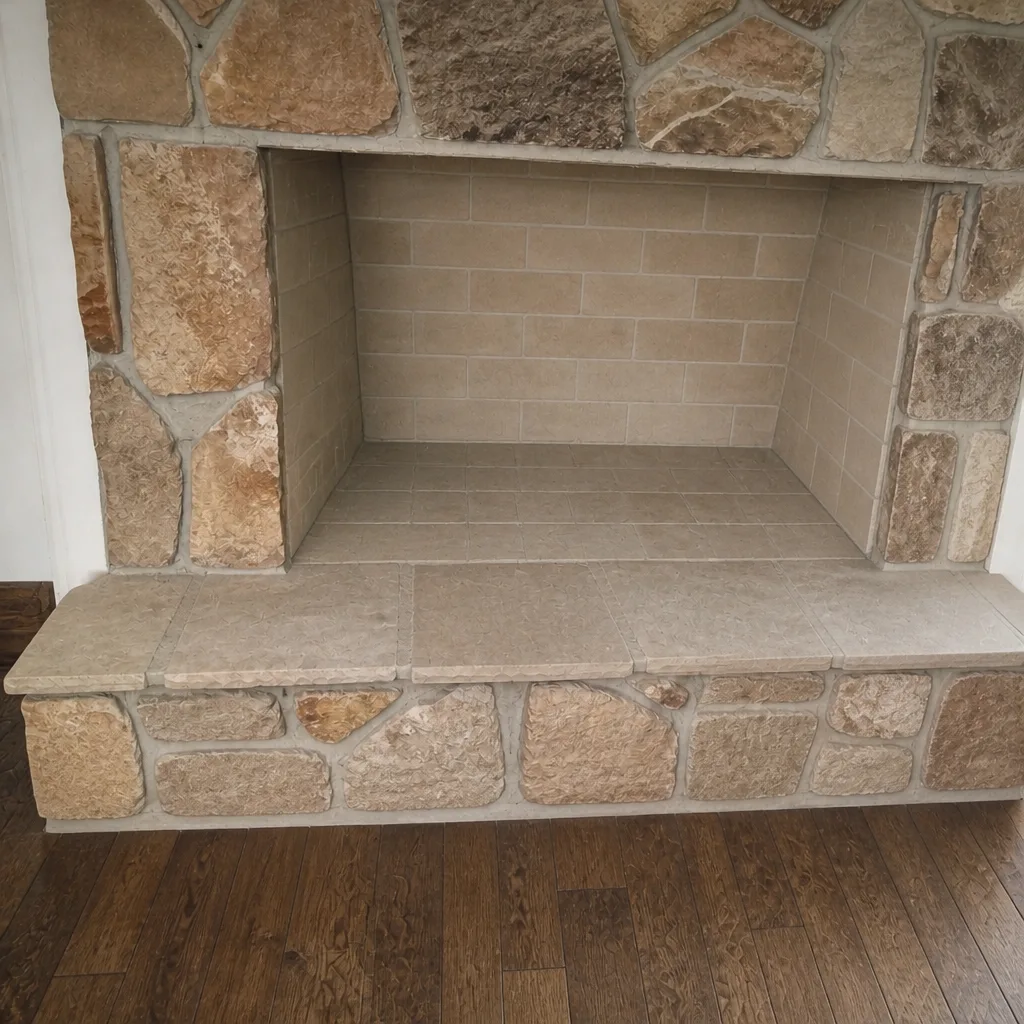
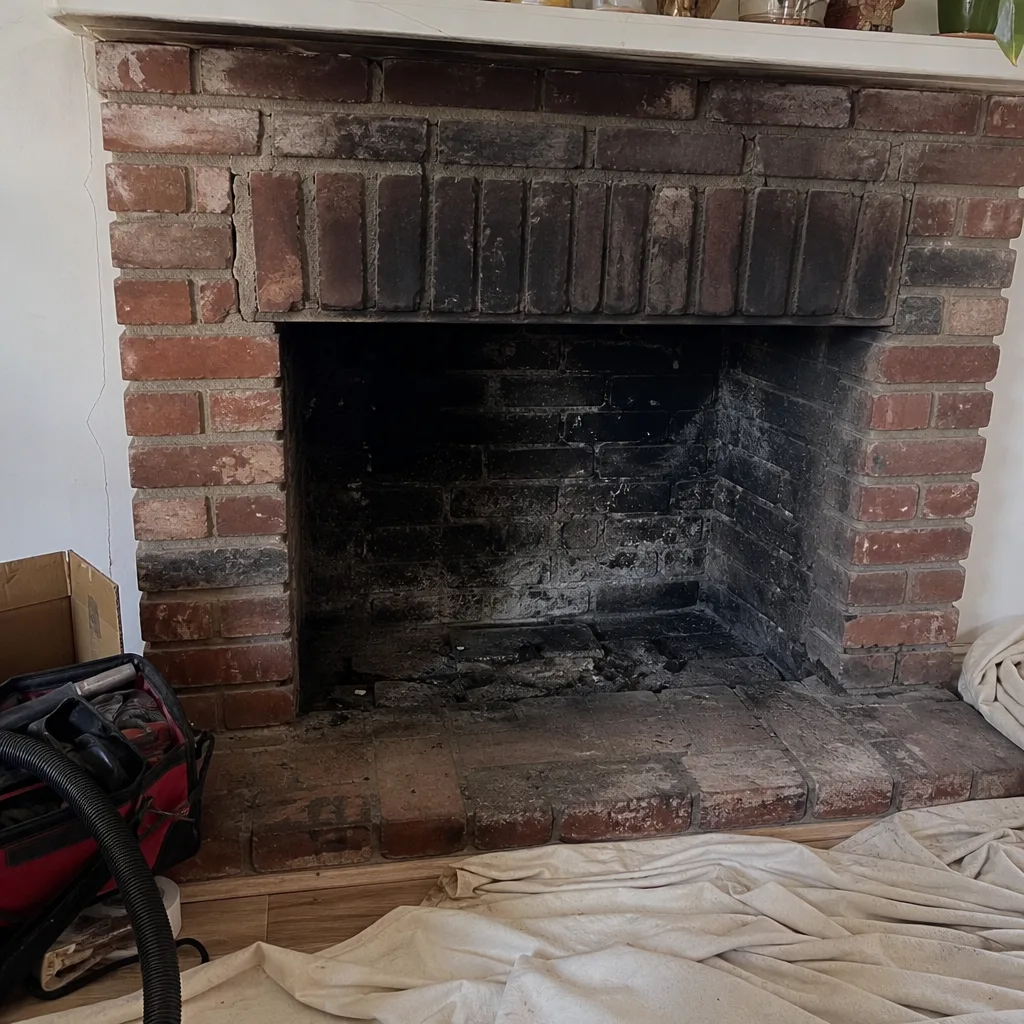
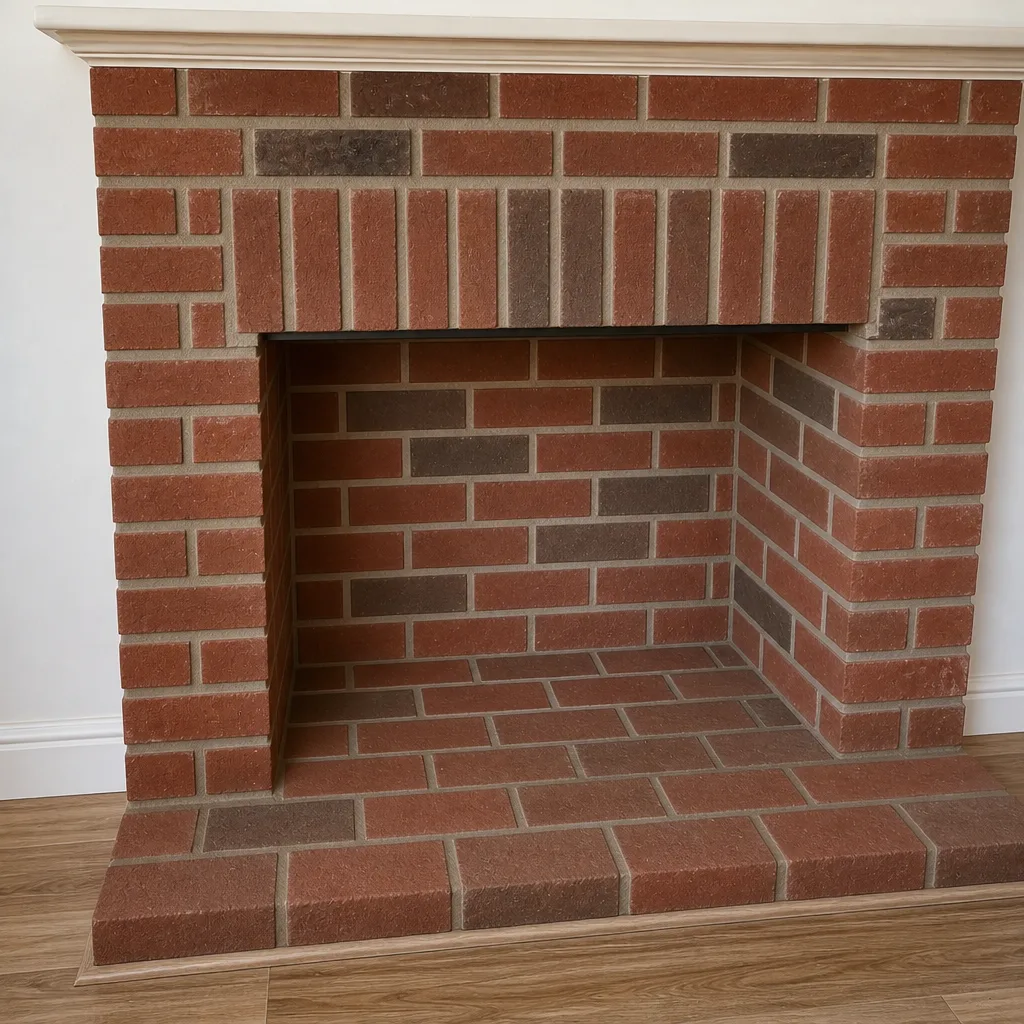
See the difference
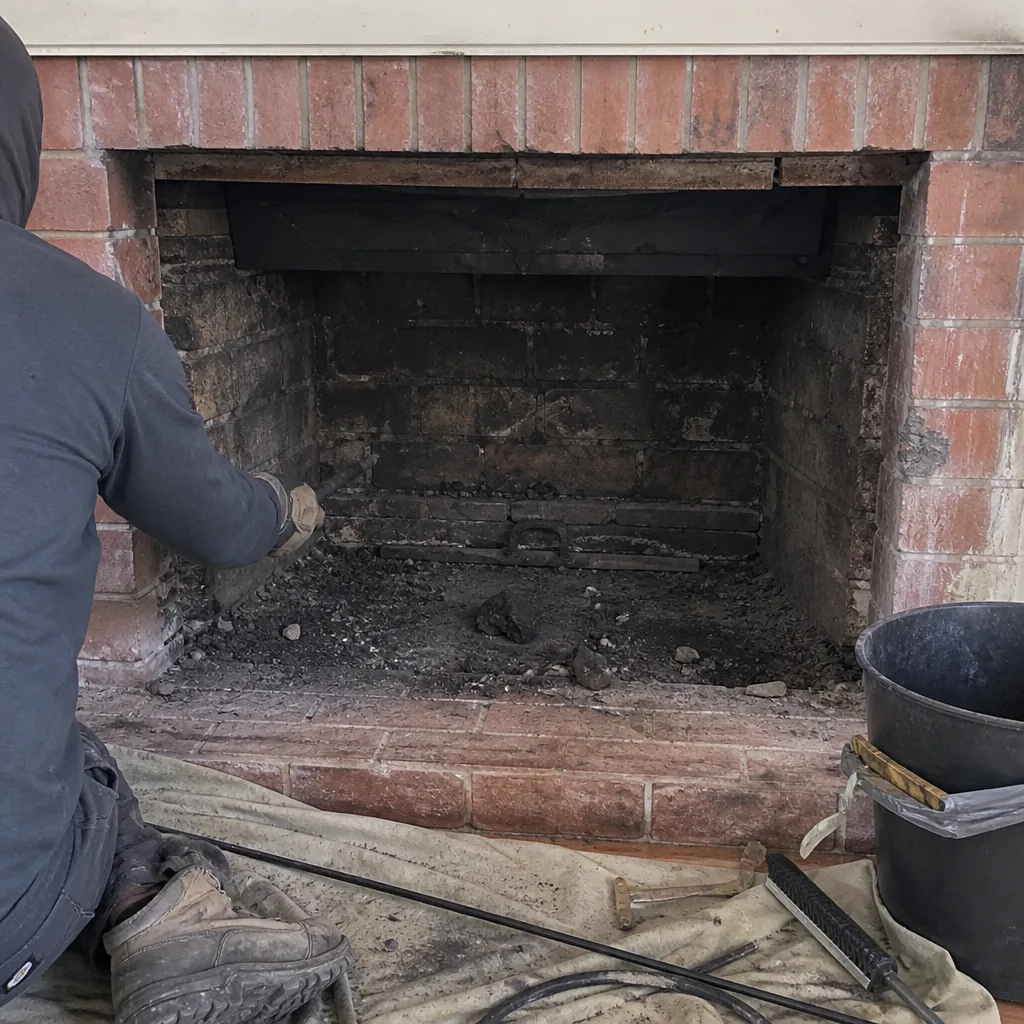 Before
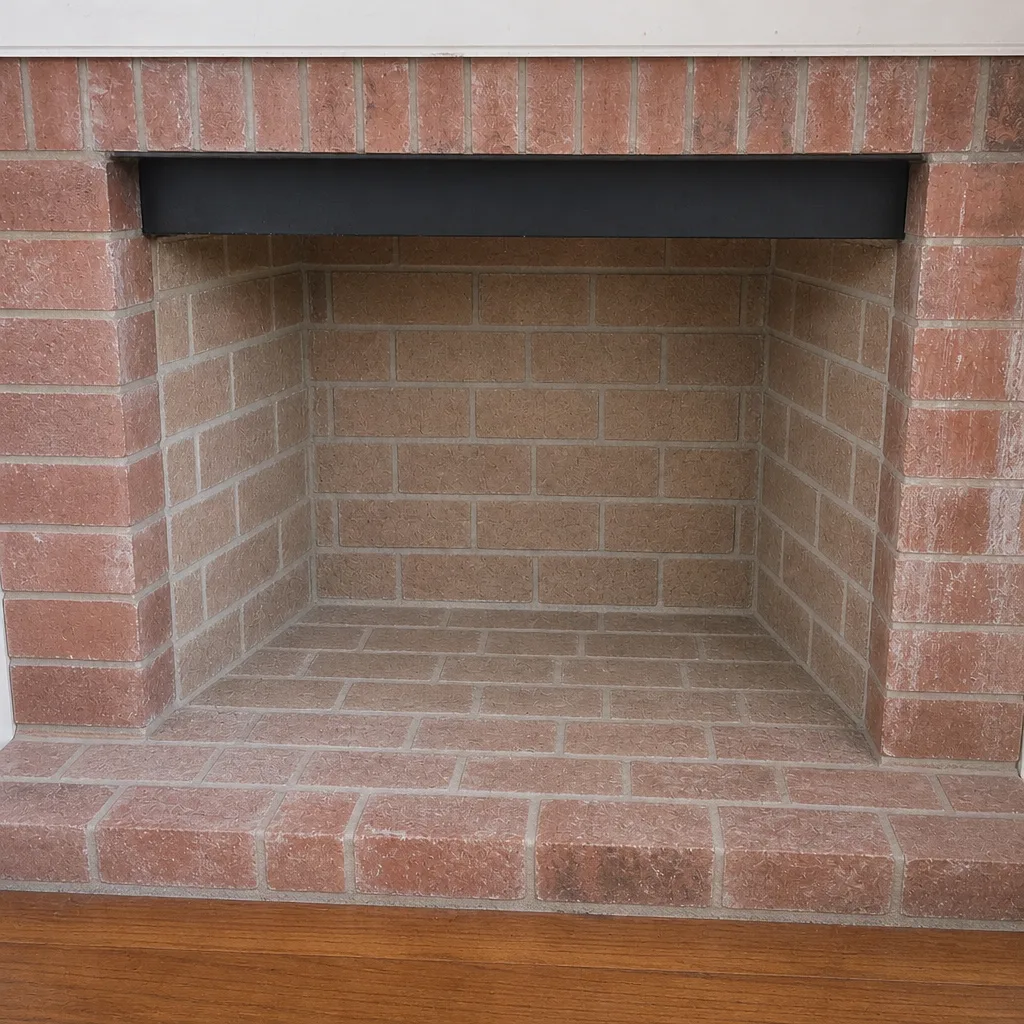 After
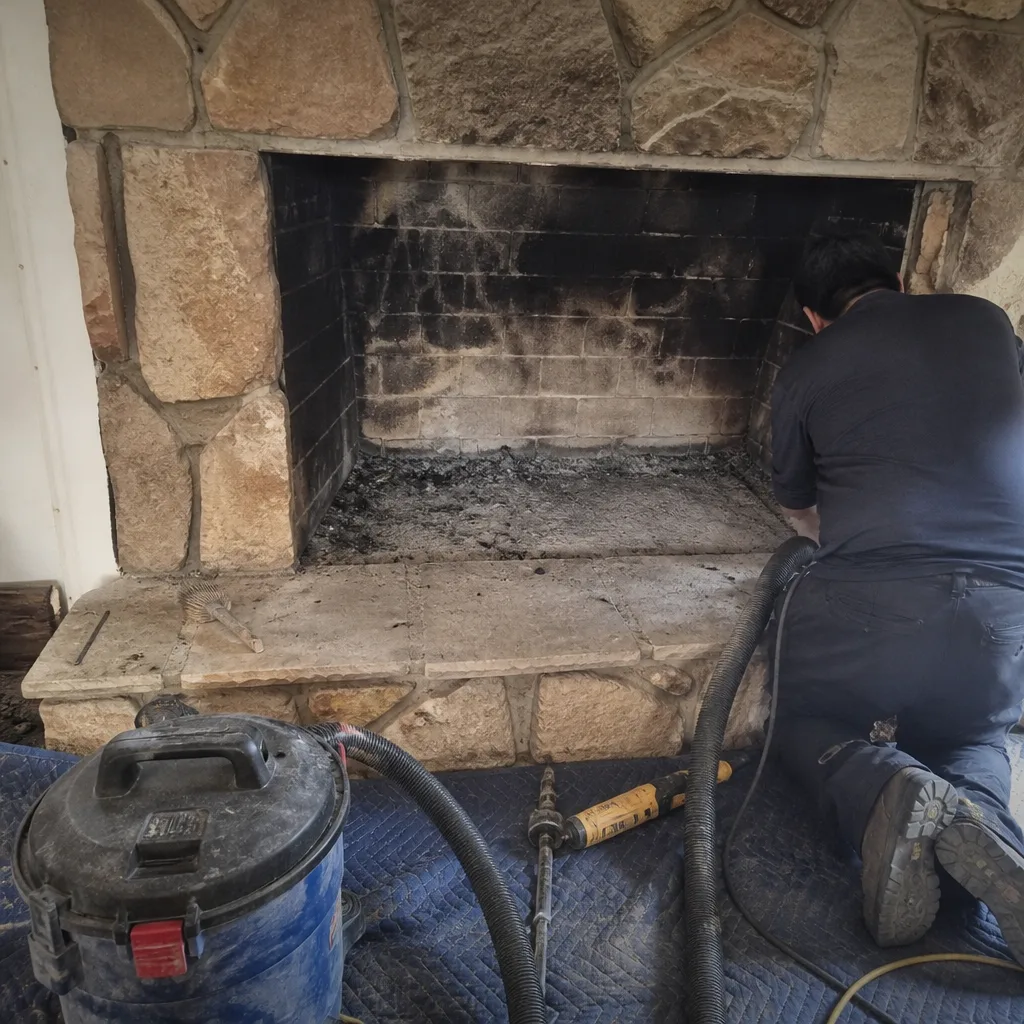 Before
 After
 Before
 After
When to Call a Professional
Book a professional inspection when any of these is true: you haven’t had the chimney inspected in over a year, you’re noticing smoke coming back into the room, there’s a persistent odor even when the fireplace is cold, the damper feels hard to operate, or you can see staining or rust in the firebox. Schedule one before you list a Garden Grove home for sale, and book one anytime you’ve heard a loud rumble or popping sound from the flue, which can indicate a chimney fire you didn’t see. A blocked or compromised flue is a carbon monoxide hazard, and a routine sweep is the check that catches it. Chimney Sweep Garden Grove offers free estimates in Garden Grove – call (877) 770-1311. We answer 24/7. Fast dispatch from 7am to 7pm, Sunday through Friday.
Frequently Asked Questions
A routine chimney cleaning in Garden Grove typically costs somewhere in the low to mid hundreds of dollars for a standard single-flue sweep, and more when the scope includes a camera inspection or a second appliance. The written estimate sets the final price, and we don’t start work without one. Call (877) 770-1311 for an exact quote – estimates are free.
Only if the flue interior is actually compromised and the evidence supports it. Many chimneys that are told they need a full liner can be restored with HeatShield resurfacing instead, which is a capability most sweep-only companies don’t have. Ask to see the camera footage before you decide, and if the answer is no, ask what the alternative is. Call (877) 770-1311 to talk through the options – estimates are free.
The standard recommendation is once per year for a wood-burning fireplace in regular use, and more often if you burn frequently or notice creosote buildup. Gas appliances still need annual inspection even though they produce less creosote. If it’s been more than a year, book a sweep before the next burn season. Call (877) 770-1311 – estimates are free.
Creosote accumulates, and if it ignites it can cause a chimney fire that damages the flue and, in severe cases, the surrounding structure. Separately, a blocked or damaged flue can allow carbon monoxide into the home. Water infiltration through a failed crown or cap also progresses quietly, and the repairs get more expensive the longer it goes. This isn’t a scare tactic – it’s why annual inspection exists. Call (877) 770-1311 to book one – estimates are free.
No, CSIA certification is a voluntary credential, not a state requirement. That’s exactly why it tells you something – a technician who holds it chose to be tested and to keep up with continuing education. A contractor’s state license is required for the structural repair side of the work. Ask about both before you book.
You know by comparing written scopes, not written totals. Ask each contractor for a written estimate that names the inspection level, the liner condition found, the materials being used, and the warranty terms. Then compare. A quote that can’t produce those details is one you can’t evaluate on price. Call (877) 770-1311 for a written estimate you can compare – estimates are free.
The Bottom Line
Hiring a chimney contractor in Garden Grove comes down to four checks and one habit of mind. Verify CSIA certification independently, confirm that any repair scope comes with an active California contractor’s license, insist on a written scope of work before work begins, and compare bids by normalizing scope rather than price. The habit of mind is simple: don’t accept a damage report you can’t see. Photographic evidence and a written estimate are what let you evaluate a recommendation instead of taking it on faith. A legitimate specialist will provide all of this without pressure, and will tell you when work can safely wait. That’s the difference worth paying for.
If you’d rather start with a phone call to a specialist who can walk you through the process, call (877) 770-1311 for a free estimate. We answer 24/7. Fast dispatch from 7am to 7pm, Sunday through Friday. Our technicians have up to 9 years of experience, we work with the professional-grade brands certified chimney specialists rely on nationwide, and we’ll tell you what your chimney actually needs – not what generates the largest invoice. For an overview of the services we offer, visit Chimney Sweep Garden Grove.
Written by the team at Chimney Sweep Garden Grove.