
Last updated November 23, 2026
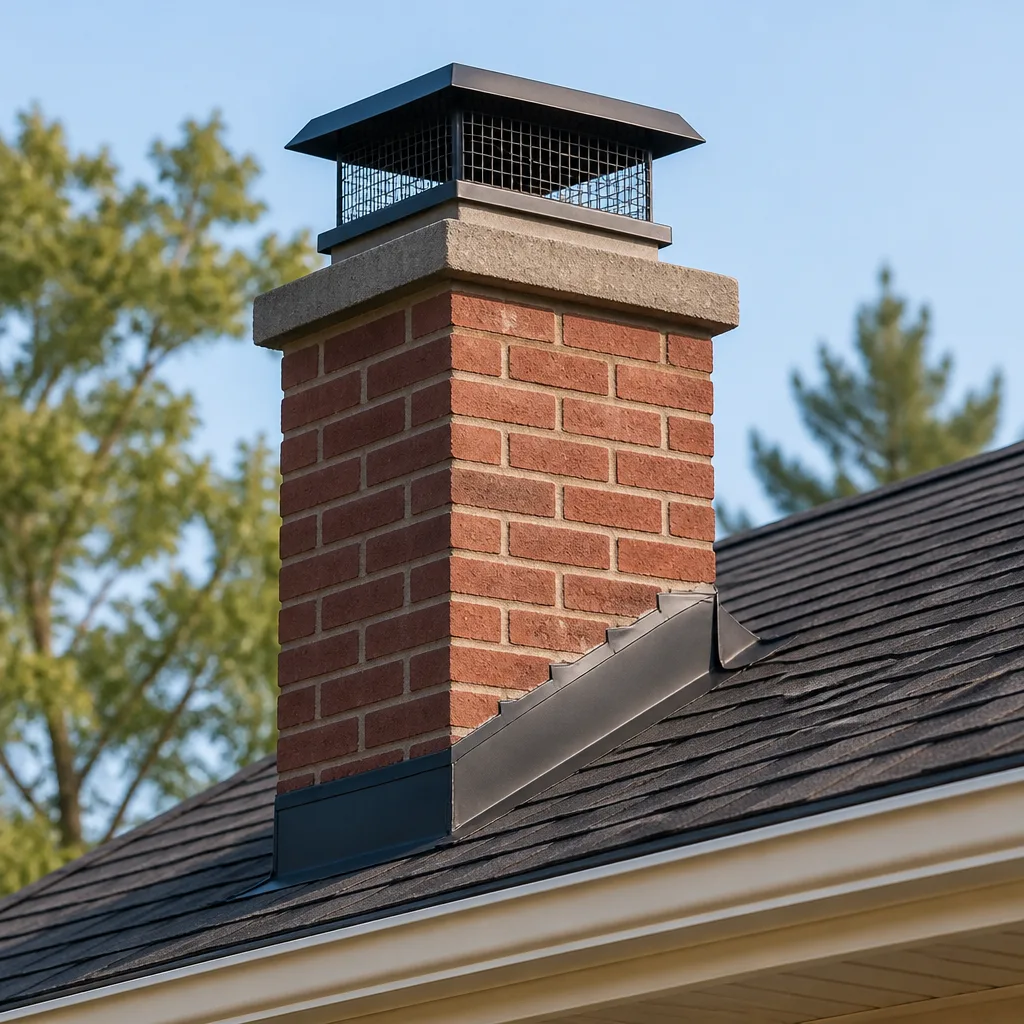 Sweep & inspection
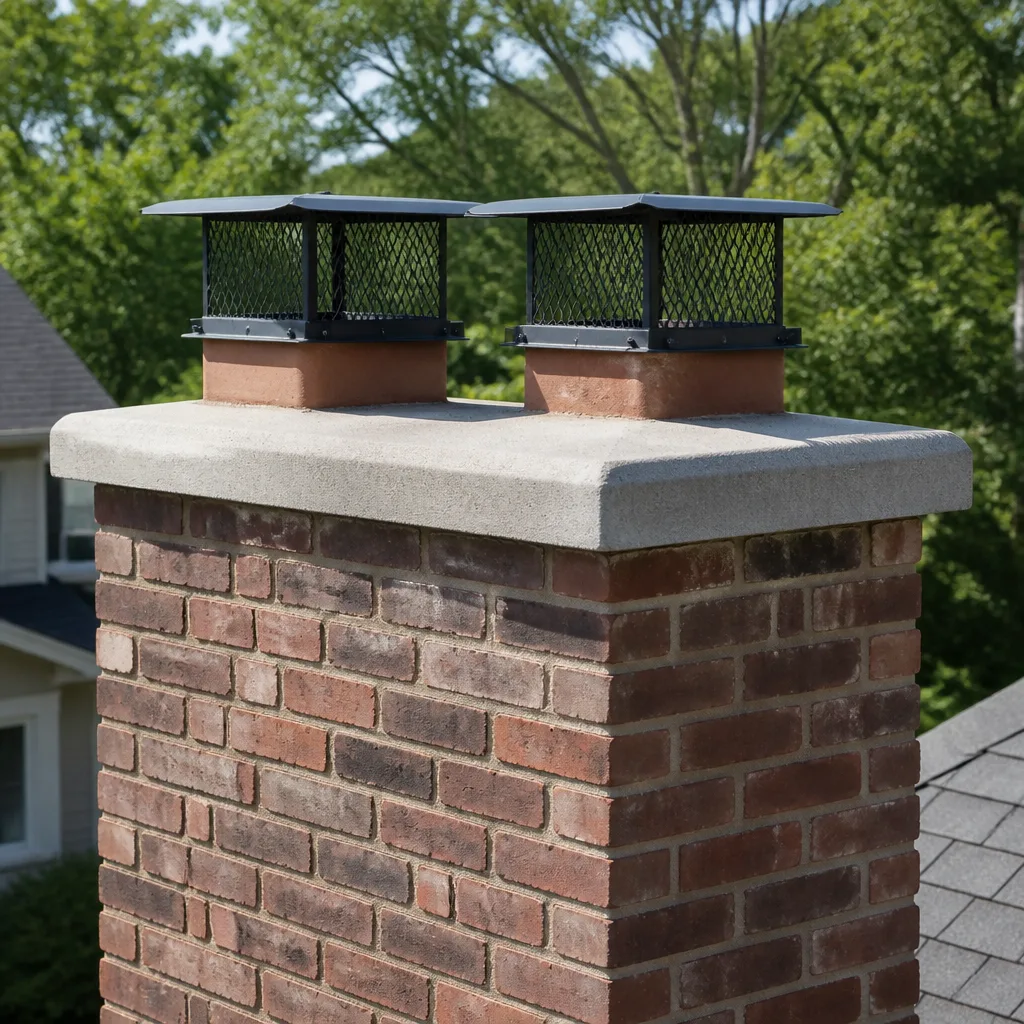 Caps & crowns
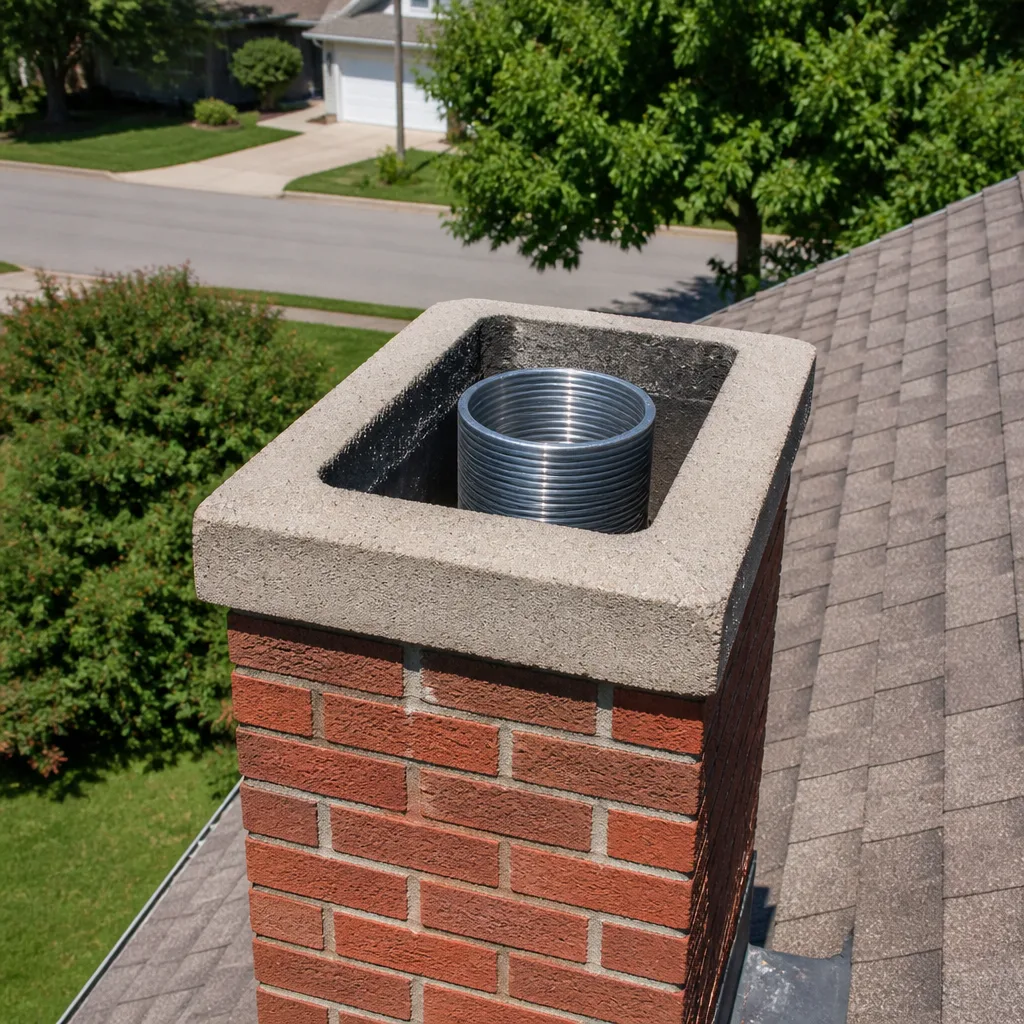 Flue relining
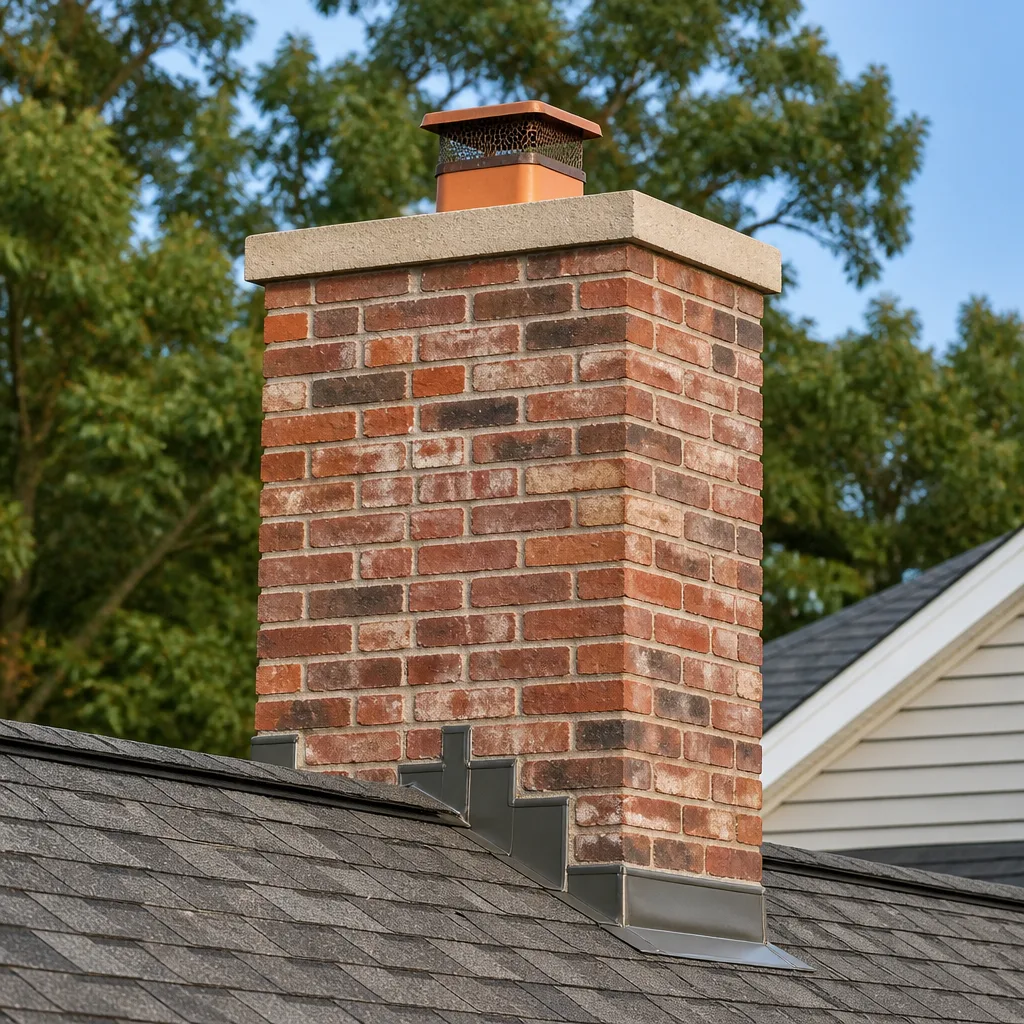 Masonry repair
 Gas fireplace service
Level 1 sweep and inspection to the NFPA 211 annual standard - flue, crown, cap, and flashing checked and photographed
Chimney sweep logs do not sweep chimneys. They loosen some creosote - which then falls where a brush and vacuum still have to collect it.
Chimney Sweep Maintenance Checklist for Garden Grove Homeowners
A chimney rarely announces trouble from the firebox. The three most commonly missed maintenance checkpoints in a Garden Grove home – the smoke chamber, the chase cover, and the flue collar – sit above or behind the opening you see when you kneel at the hearth, which is why so many problems surface first as a stain on the ceiling rather than as something the homeowner noticed early. What follows is a room-by-room, component-by-component checklist built around what failure actually looks like, organized so you can assess part of it yourself and know exactly when to stop and call a professional.
Quick Answer
A working maintenance checklist for a Garden Grove chimney covers three zones: the exterior (cap, crown, chase cover, stucco at the chase), the interior (damper seating, firebox joints, smoke chamber, draft behavior), and the flue itself, which should be looked at and cleaned by a professional. Check the visible exterior and interior items on a schedule tied to local fire season, Santa Ana wind events, and winter rain, and book a professional inspection and cleaning each year. Anything that involves the flue interior, electrical components, or roof access belongs with a trained technician, not a homeowner on a ladder.
Styles & brands we work with
- Sweep & inspection
- Caps & crowns
- Flue relining
- Masonry repair
- Gas fireplace service
Table of Contents
- The Exterior Checklist: What Garden Grove Weather Does to a Chimney
- The Interior Checklist: What You Can Safely Assess Yourself
- The Flue: What Only a Professional Should Evaluate
- Seasonal Trigger Schedule for Garden Grove
- Normal Wear vs. Call-a-Professional
- How to Document Chimney Condition Year Over Year
- Common Mistakes to Avoid
- When to Call a Professional
The Exterior Checklist: What Garden Grove Weather Does to a Chimney
The exterior of a Garden Grove chimney takes a different kind of beating than most national maintenance guides assume. The local climate is mild, dry through much of the year, and punctuated by Santa Ana wind events that push hot, dry air through the region and winter rain that arrives in concentrated bursts. That combination stresses sealants, mortar, and stucco in specific ways, and the failures show up in predictable places. Walk the exterior of your chimney at ground level with binoculars before you ever consider going up. A phone camera with zoom works fine for the upper sections you can’t reach safely.
- Stucco cracking at the chase. The chase is the boxed enclosure around a factory-built or older masonry chimney. Garden Grove homes often carry stucco chimneys, and stucco hairline cracks open where the chase meets the roof or a wall. Any crack wider than a hairline, or any crack that keeps reappearing after patching, is a sign of movement that needs a professional look.
- Efflorescence on brick. White, chalky deposits on brick or mortar are salt drawn to the surface by moisture moving through the masonry. Efflorescence itself is harmless, but it tells you water is getting in somewhere. Persistent efflorescence after rain is a reason to book an inspection.
- Deteriorated cap mortar from UV exposure. The crown, the concrete cap at the very top of the chimney, weathers under the Southern California sun. Look for crumbling or flaking mortar and any gap between the crown and the flue tile. A crown that has pulled away from the flue lets water pour straight into the structure.
- Missing or damaged chase cover. On a chase-style chimney, the chase cover is the metal lid at the top. Rust, loose fasteners, or a cover that has pulled away at the seam are common and easy to overlook from the ground.
- Loose flashing at the roofline. The metal that seals the chimney to the roof is where leaks begin. Look for lifted edges, cracked sealant, or rust on the flashing.
The cap and crown at the top of the chimney protect everything below them. When water gets past a failed crown or a missing cap, it travels down through the masonry and shows up indoors as a ceiling stain weeks later. That’s the reason we treat cap and crown work as part of maintenance, not as an optional upgrade.
The Interior Checklist: What You Can Safely Assess Yourself
You can learn a lot about your chimney without opening a single panel or climbing onto anything. The interior checkpoints below are things a careful homeowner can assess safely from the hearth. None of them require reaching into the flue or touching the damper mechanism while a fire is lit. Work through them with a flashlight and a notebook, and write down anything that looks off so you can compare it later.
- Draft behavior. Before you light a fire, hold a lit match or a thin strip of paper near the open damper. The smoke should pull up and out, not drift into the room. A chimney that smokes back, or that takes several minutes to establish draft, is telling you something about airflow. Closed-up homes in Garden Grove with tight modern windows can cause this, and so can a partially blocked flue.
- Damper seating. Open and close the damper by hand. It should move smoothly and seat flush when closed. A damper that sticks open, hangs loose, or won’t close all the way lets heated air escape up the chimney and cold air down into the room. If the damper handle feels loose or the plate doesn’t sit flat, note it and mention it when you book an inspection.
- Firebox joint condition. Shine a light along the joints between the firebrick or firebox panels. Hairline cracks in the firebrick are normal. Gaps where mortar has fallen out, or any crack wide enough to slide a coin into, are not. A failing firebox joint lets heat and smoke reach the structure behind it.
- Smoke smell after rain. A smoky odor indoors after a rainstorm is one of the most reliable signs of a water problem in a chimney. Note when you smell it and how long it lasts.
- Staining and rust inside. Look for brown or grey staining on the fireplace surround, rust on the damper or firebox hardware, and any flaking on the firebox walls. Each points to a different kind of moisture problem.
What you shouldn’t do: reach up into the flue to feel for creosote, pull apart a firebox, or try to inspect the smoke chamber through the damper opening. Those areas need tools and training, and the smoke chamber in particular is sloped in a way that hides problems from a casual glance.
The Flue: What Only a Professional Should Evaluate
The flue is the vertical passage that carries smoke and gases out of the house, and it’s the part of the checklist a homeowner should never take on. Creosote accumulates inside the flue as a byproduct of burning wood, and it comes in forms ranging from a light soot to a hardened, glazed deposit that ignites at high temperature. A professional inspection uses a camera to see the entire length of the flue, which is the only way to catch a cracked liner, a joint that has opened up, or an obstruction before it becomes a serious problem. This is also where carbon monoxide risk lives: a blocked or damaged flue can let combustion gases back into the home instead of venting them outside.
When we inspect a flue, we’re looking for more than creosote. We check liner integrity, look for gaps at the flue collar where the pipe meets the appliance, and confirm the flue is sized correctly for what it’s venting. If we find a damaged liner, there are usually two paths. A flexible liner system built from DuraFlex components can reline a compromised chimney structurally, which addresses the root cause rather than sealing over it. And for some damaged flues, HeatShield resurfacing can restore the interior without the cost of a full liner replacement. Neither option is right for every chimney, and we’ll tell you which one fits yours after we’ve seen the inside of it.
Safety note: creosote buildup, cracked flue tiles, and blockages are fire and carbon monoxide hazards. Do not attempt to inspect or clean your own flue. A trained chimney professional has the tools, camera equipment, and training to do it safely, and a chimney fire or carbon monoxide incident is not something worth risking to save a service call.
Seasonal Trigger Schedule for Garden Grove
A Garden Grove chimney doesn’t get one annual maintenance date. It gets several, each tied to a local pattern. Set calendar reminders for the triggers below so you check the right things at the right time.
- Late summer, before fire season. Garden Grove’s fire season runs through the warm, dry months and overlaps with the Santa Ana wind events that push hot, dry air through the region. Before you start using the fireplace again in the fall, book a sweep and inspection. Creosote that built up over the previous winter needs to be removed before the first fire of the season.
- During and after Santa Ana wind events. These winds are strong enough to dislodge a loose cap, tear at a chase cover, or send debris down an uncapped flue. After a significant wind event, walk the exterior and check the cap, chase cover, and any tree limbs near the chimney.
- Before the winter rain. Garden Grove’s rain arrives in concentrated periods. Before the rainy stretch, check the crown for cracks, the chase cover for rust and loose fasteners, and the flashing for lifted edges. Water is the most common cause of serious chimney damage, and most of it enters through the top.
- After the winter rain. Walk the exterior again. Note any new efflorescence, any damp patches on interior ceilings near the chimney, and any smoky smell indoors. These are the after-rain signals that tell you water got in.
- Once a year, regardless. Book a professional inspection and cleaning. An annual inspection is the baseline that every other checkpoint builds on.
Normal Wear vs. Call-a-Professional
Telling normal wear from a real problem is the hardest part of any maintenance checklist, and it’s where generic advice fails. Here’s what we look for, in specific visual terms.
- Hairline cracks in firebrick: normal. Cracks wide enough to catch a coin, or mortar missing from a joint: call.
- Light, powdery soot on the firebox walls: normal. Glazed, tar-like deposits or flaking creosote visible near the damper: call.
- A thin white haze of efflorescence after a wet spell: normal. Thick, recurring efflorescence with crumbling mortar beneath it: call.
- A few small flakes of mortar on the roof after a wind event: normal. A crown with a visible gap between it and the flue tile, or pieces of concrete on the roof: call.
- A slightly stiff damper: normal. A damper that won’t close, won’t open, or has rusted through: call.
- Occasional smoke smell in a cold, closed-up house: usually airflow. A smoky smell after every rain, or smoke that drifts into the room when a fire is lit: call.
The rule of thumb: if you can see it, measure it, and it hasn’t changed, it’s probably wear. If it’s new, growing, or accompanied by water or smoke where water and smoke shouldn’t be, it needs a professional look.
How to Document Chimney Condition Year Over Year
Chimneys fail slowly. A baseline record is what lets you catch a change before it becomes a repair. It takes about fifteen minutes a year and it pays off the first time something shifts.
- Take dated photos. Photograph the crown, cap, chase cover, flashing, and the firebox interior from the same angles every year. The date stamp on the photo is what makes the comparison useful.
- Write down what you observed. Note the condition of each checkpoint on your checklist, the date, and anything that felt different this year. A short paragraph is enough.
- Keep the professional inspection report with your records. When a technician inspects the chimney, ask for the camera inspection findings and keep the report. A written report from a professional is what a buyer’s inspector will want to see when you sell, and it’s what tells you whether a repair is genuinely due.
- Compare this year to last year. If efflorescence was a thin haze last year and it’s thick this year, something changed. If the crown was intact last year and shows a crack now, that crack is new and worth a call.
Documentation is also how you keep a repair honest. When a technician recommends a liner or masonry work, ask to see the camera footage. You should see on the screen exactly what they see, and you should be told plainly when a repair can safely wait.
Common Mistakes to Avoid
- Skipping the annual inspection because the fireplace “works fine.” A chimney that draws well can still have a cracked liner or a creosote load that hasn’t shown itself. The inspection is where problems surface before they become expensive.
- Assuming the cap is decorative. A missing or damaged cap is the most common entry point for water, birds, and debris. If your chimney has no cap, that’s the first thing to fix.
- Patching a chase crack without finding the cause. Stucco that keeps cracking after a patch is telling you the structure behind it is moving. Patching over it hides the symptom and lets the problem grow.
- Burning unseasoned wood to save money. Wet wood produces more creosote and more smoke. Seasoned, dry firewood burns cleaner in a Garden Grove fireplace and reduces what builds up in the flue.
- Ignoring a smoky smell after rain. That smell is one of the clearest signals that water is entering the chimney. It rarely fixes itself.
- Letting a sweep company talk you into a liner without seeing the evidence. A camera inspection shows you the inside of the flue. Ask to see it, and ask whether the repair can wait.
- Relying on a general handyman for chimney work. Chimney repair needs trade-grade materials and tools. A generalist can patch a crack, but only a chimney specialist can evaluate the flue and the smoke chamber.
When to Call a Professional
Call for any of these: a smoky smell indoors after rain, smoke that drifts into the room when a fire is lit, a damper that won’t seat, a crown with a visible gap, a chase cover that’s rusted or loose, visible creosote flakes near the damper, or a fireplace you haven’t had inspected in over a year. If you’re preparing a home for sale and need documented chimney condition, book an inspection and keep the report. We answer 24/7. Fast dispatch from 7am to 7pm, Sunday through Friday, and we’re closed Saturday. If you call outside dispatch hours, a call is booked into the next opening. Chimney Sweep Garden Grove offers free estimates in Garden Grove – call (877) 770-1311. Our technicians have up to 9 years of experience, and we tell you what your chimney actually needs, not what generates the largest invoice.
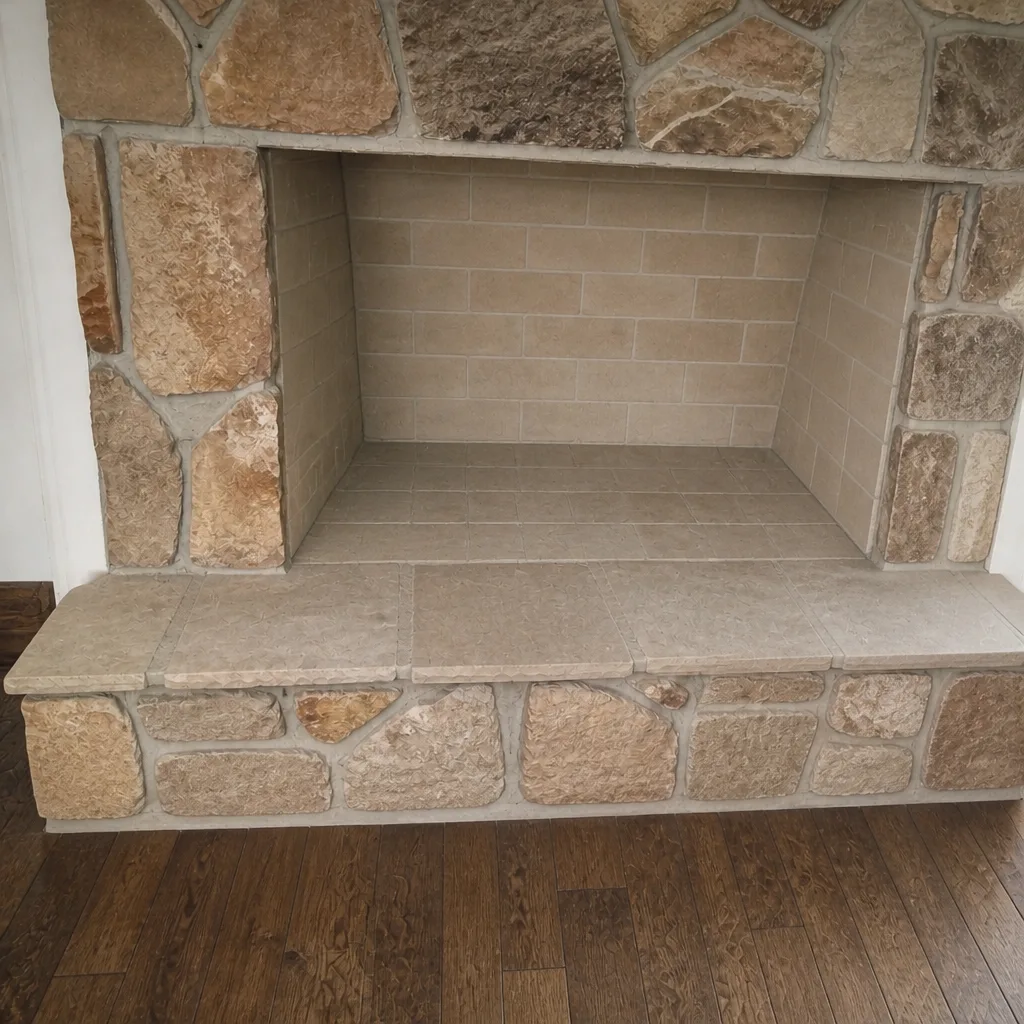
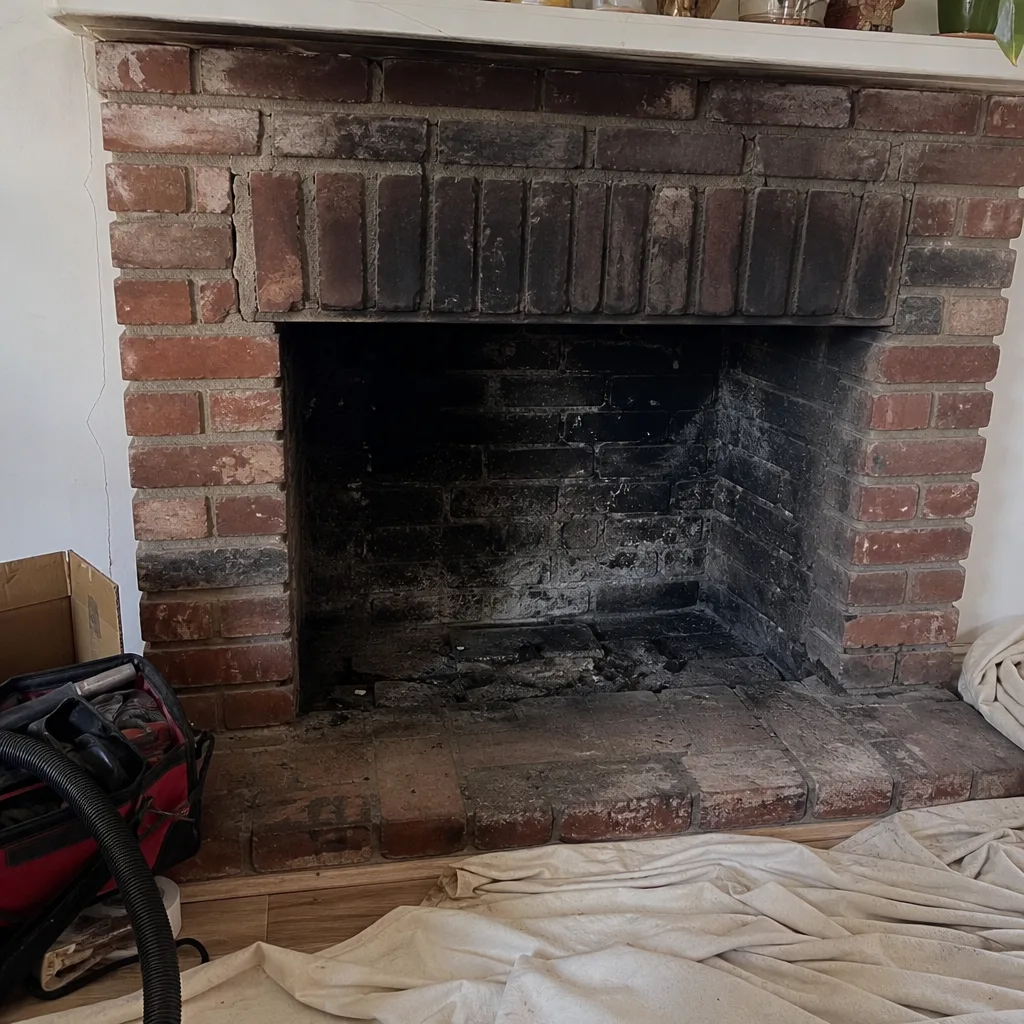
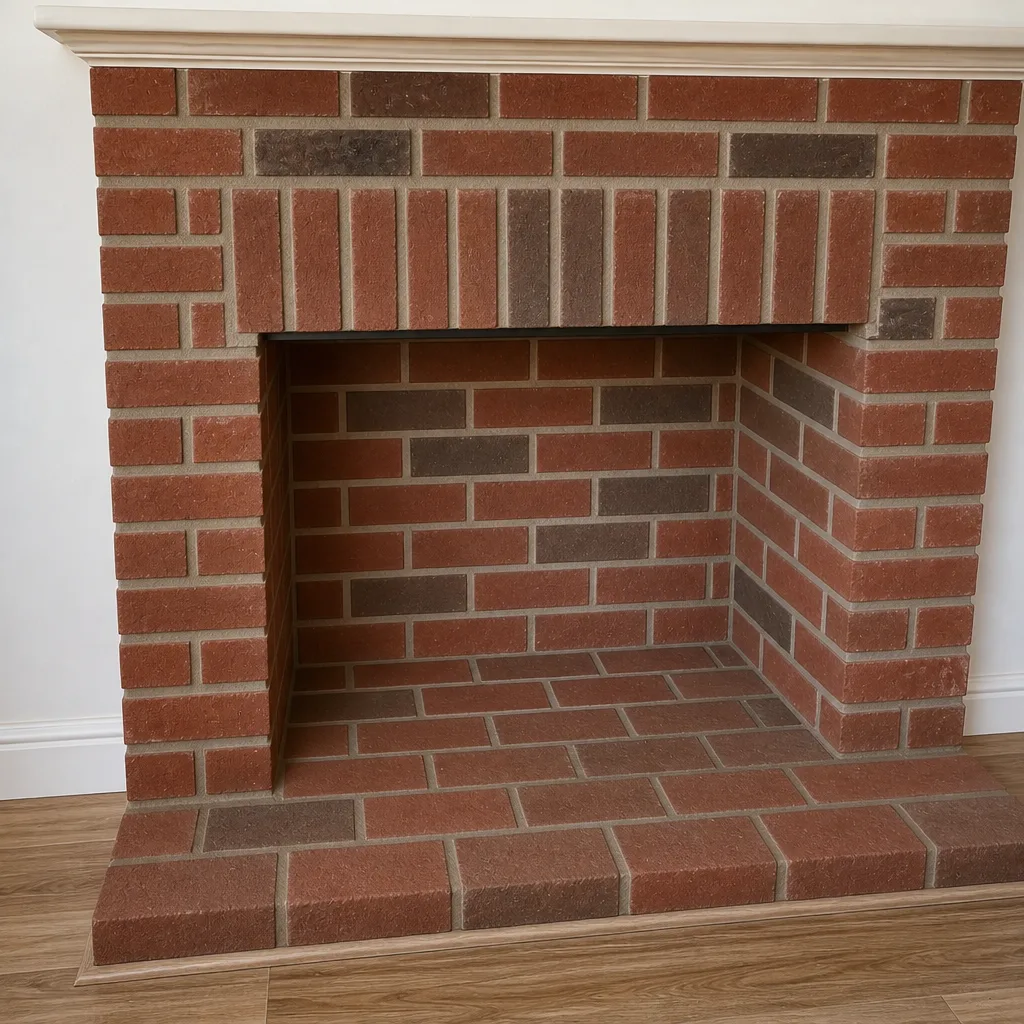
See the difference
 Before
 After
 Before
 After
 Before
 After
Frequently Asked Questions
Once a year is the standard, and the annual inspection is the baseline every other check builds on. Garden Grove’s fire season and winter rain periods make late summer and early fall the practical window for a sweep before the first fire of the season. If you burn heavily or notice smoke, odor, or draft problems, book sooner. Call (877) 770-1311 for an exact quote – estimates are free.
A sweep removes creosote and debris; an inspection evaluates the condition of the flue, firebox, smoke chamber, and exterior components. In practice, we do both together, camera inspection included, so you get a photo report and a clear answer about what’s wrong. Call (877) 770-1311 to book one.
You can check the exterior from the ground and the interior checkpoints from the hearth – damper seating, firebox joints, draft behavior, staining and smells. What you shouldn’t do is reach into the flue, pull apart a firebox, or climb onto the roof. The flue interior and the smoke chamber are for a trained technician with a camera. Call (877) 770-1311 if anything on the checklist looks off.
Efflorescence is salt drawn to the surface by moisture moving through the masonry. A thin haze after a wet spell is common. Thick, recurring efflorescence with crumbling mortar beneath it means water is getting in somewhere, and it’s worth an inspection. Call (877) 770-1311 to schedule one.
Not always. A damaged flue can sometimes be resurfaced with HeatShield instead of relined, and a structurally compromised chimney may need a flexible DuraFlex liner. The answer depends on what the camera shows, and we show you the footage so you can see it yourself. Call (877) 770-1311 for an exact quote – estimates are free.
Creosote builds up in the flue, water works its way past a failing crown or chase cover, and small cracks grow. Those are the conditions behind chimney fires and carbon monoxide problems. Skipping maintenance doesn’t cause a problem instantly; it lets one develop out of sight. Call (877) 770-1311 and book an inspection before the next fire season.
The Bottom Line
A chimney maintenance checklist works when it’s organized around what you can actually see. Check the exterior from the ground: stucco at the chase, efflorescence, the crown, the chase cover, the flashing. Check the interior from the hearth: draft, damper seating, firebox joints, smells and stains. Leave the flue and the smoke chamber to a trained technician with a camera. Time the checks to fire season, Santa Ana winds, and winter rain, and keep a dated record so you can spot a change early. One call covers the full picture – inspection, cleaning, repair, and cap and crown work – and we tell you what your chimney actually needs.
To book a chimney sweep in Garden Grove, call (877) 770-1311. We answer 24/7. Fast dispatch from 7am to 7pm, Sunday through Friday. Estimates are free and the written estimate sets the final price. One call covers the full picture: Chimney Sweep Garden Grove, chimney sweep, fireplace repair, and chimney repair handled by one team.
Written by the team at Chimney Sweep Garden Grove.