
Last updated November 23, 2026
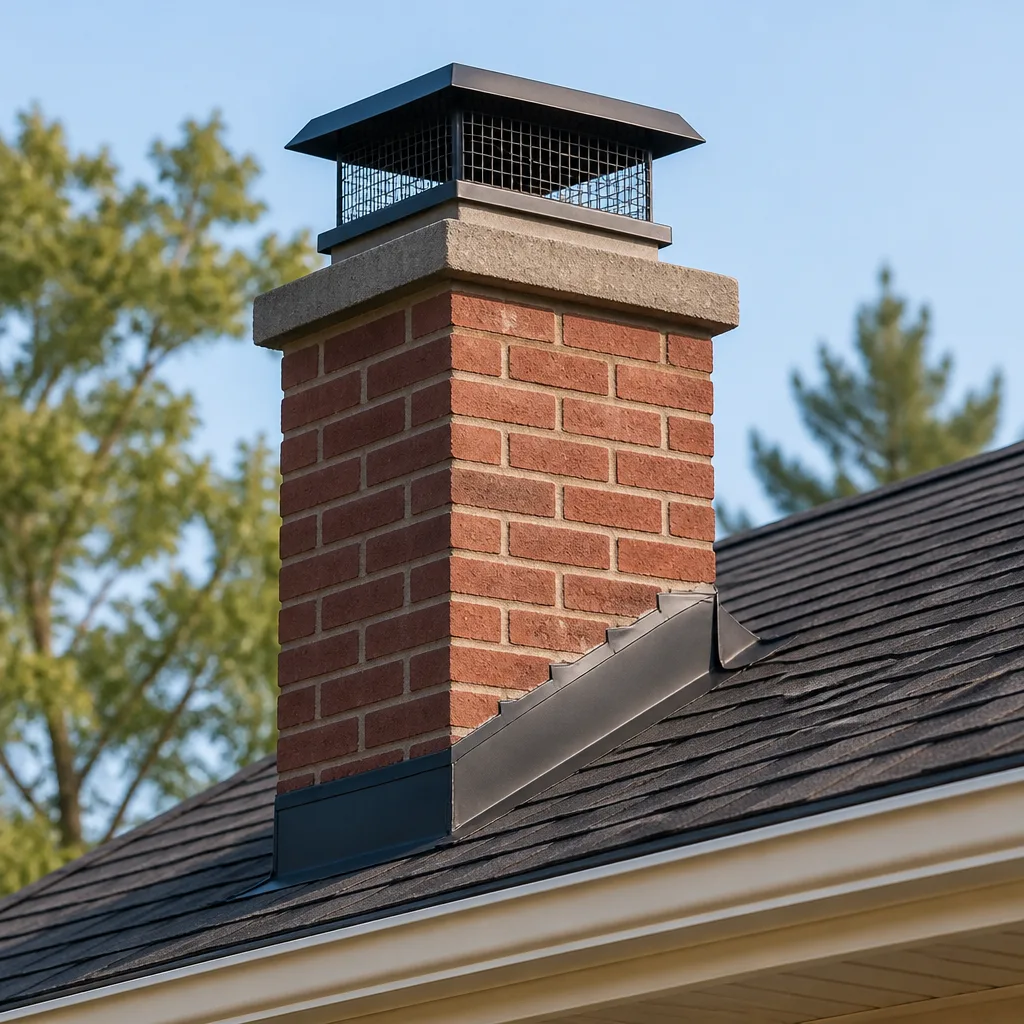 Sweep & inspection
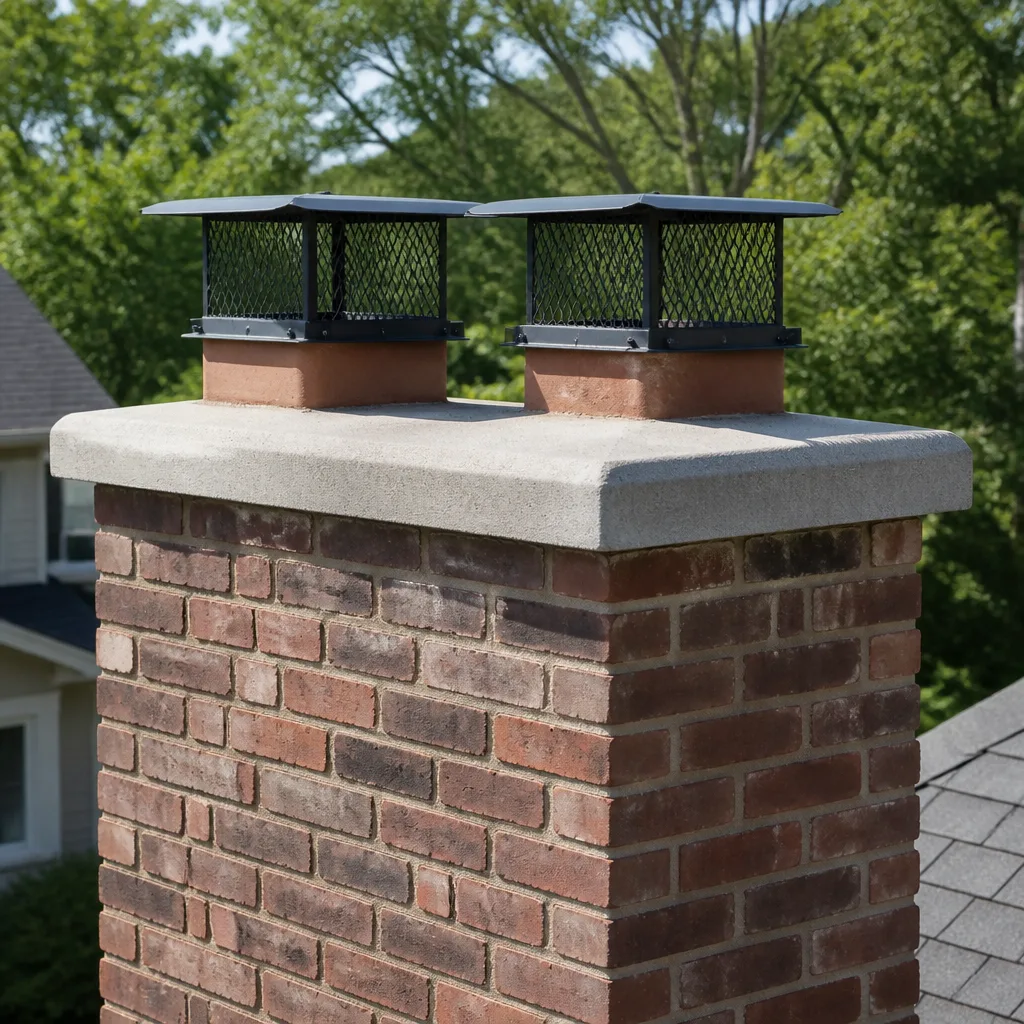 Caps & crowns
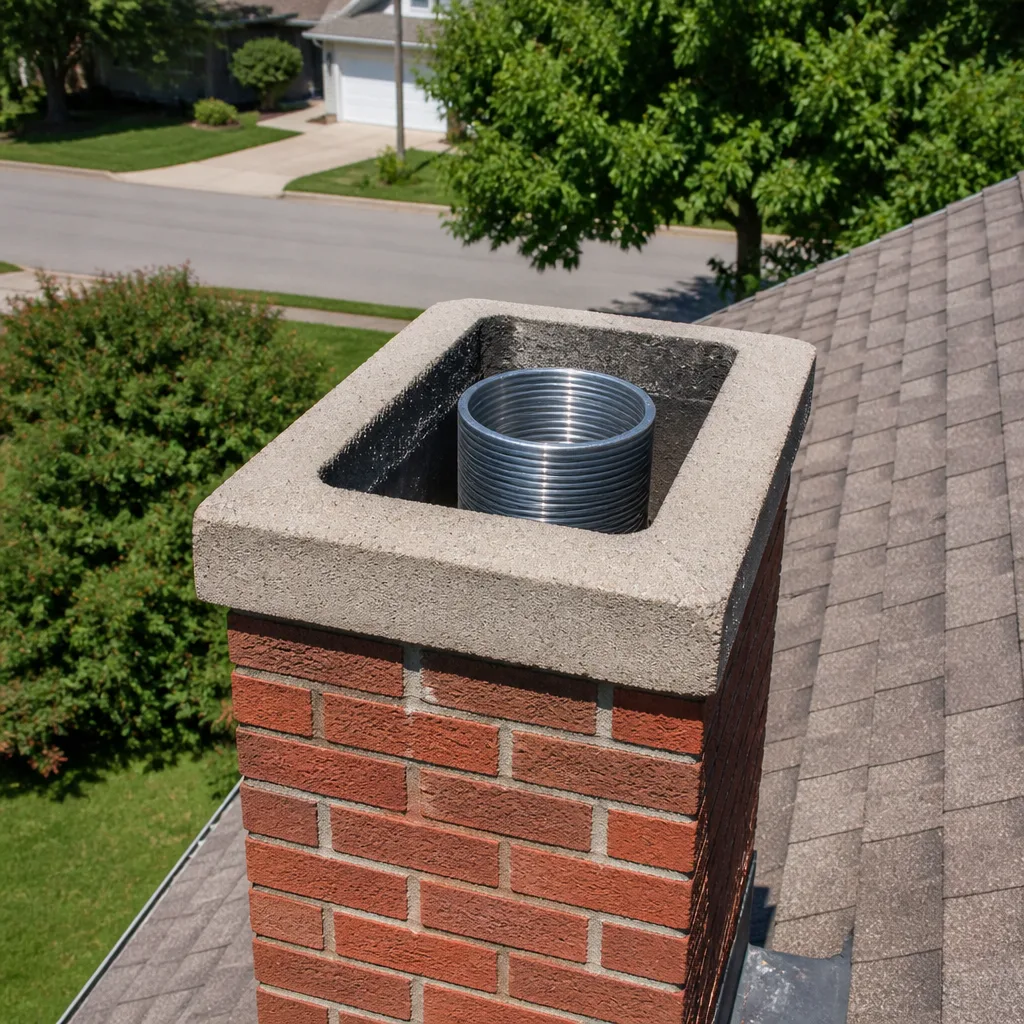 Flue relining
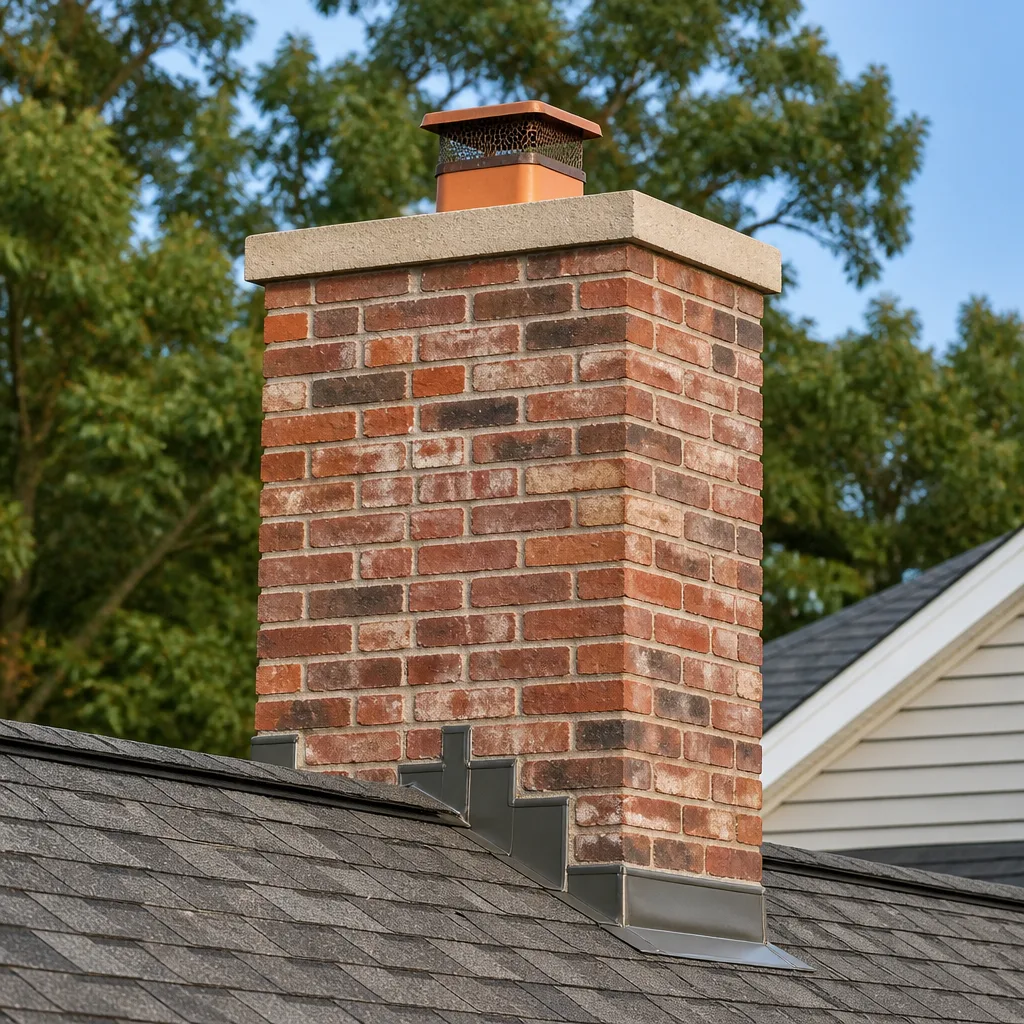 Masonry repair
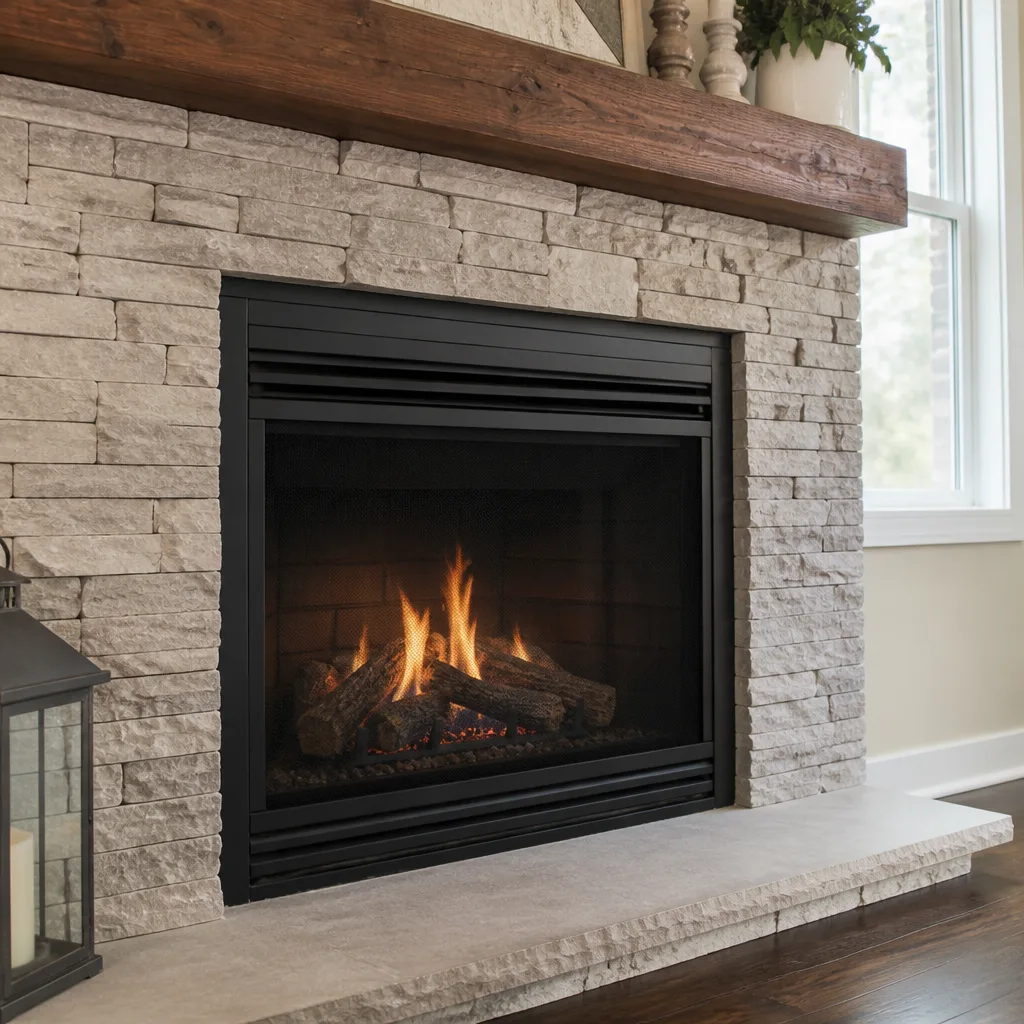 Gas fireplace service
Level 1 sweep and inspection to the NFPA 211 annual standard - flue, crown, cap, and flashing checked and photographed
Chimney sweep logs do not sweep chimneys. They loosen some creosote - which then falls where a brush and vacuum still have to collect it.
Chimney Cleaning Warning Signs: A Garden Grove Homeowner’s Reference Guide
Most chimney warning sign guides point you toward the obvious stuff: smoke rolling into the room, a smell you can’t ignore, a visible crack. By the time those show up, the problem has usually had months to settle in. The signals that actually matter in Garden Grove show up earlier, and they’re easy to misread. A white haze on the exterior brick isn’t weathering. It’s water moving through the masonry from the inside out, and it’s one of the first things we look at when a homeowner calls with a concern they can’t quite name. This guide walks through the early-stage signals, what each one usually means, and how to document them before you call anyone.
Quick Answer
The earliest chimney warning signs in Garden Grove are efflorescence (a white powdery stain on exterior brick), spalling brick faces, cracked mortar at the crown, rust staining on the chase cover, draft reversal on cool mornings, and musty or acrid odors that change with the weather. None of these mean your chimney is about to fail, but each one points to a specific condition that’s worth getting inspected before it compounds. If you notice two or more together, that’s the point to call.
Styles & brands we work with
- Sweep & inspection
- Caps & crowns
- Flue relining
- Masonry repair
- Gas fireplace service
Table of Contents
- Exterior Visual Signals: What the Outside of Your Chimney Is Telling You
- Interior Signals: Draft, Damper, and Firebox Clues
- Odor Patterns as Diagnostic Data
- Structural Signals in Rooms Adjacent to the Chase
- How to Log and Photograph Warning Signs Before a Tech Arrives
- Why Garden Grove Homes Show These Signs Differently
- What Each Warning Sign Usually Means for the Repair Path
- Common Mistakes to Avoid
Exterior Visual Signals: What the Outside of Your Chimney Is Telling You
Walk outside and look at your chimney from the yard before you look at anything else. The exterior face tells you more than most homeowners realize, and it tells you earlier than the interior does. Four patterns are worth knowing, and they’re ranked below roughly in order of how early they appear.
Efflorescence is the first one. It’s that white, chalky, powdery stain that gets mistaken for leftover mortar or plain weathering. It happens when water gets into the masonry, dissolves salts out of the brick or mortar, and then migrates to the surface as it dries. The stain itself is harmless. What it means is that water is moving through the assembly, and if there’s a compromised flue liner behind that masonry, efflorescence is often the first visible clue. In our experience, efflorescence on the lower third of the chimney chase is the single most-missed early signal.
Spalling brick faces are the second stage. When brick stays saturated through enough wet-and-dry cycles, the outer face begins to flake or pop off. Once a brick face spalls, it can’t be repaired in place; the brick gets replaced. Spalling near the crown is more concerning than spalling lower down because it usually means water is getting in from above.
Deteriorating mortar joints at the crown are the third signal, and they’re the one most easily addressed. The crown is the sloped cap on top of the chimney that sheds water away from the flue. When the crown cracks or the mortar joint between the crown and the flue tile opens up, water drops straight down the inside of the chase. Most chimney water damage starts here. A cap and crown installation is the most common fix we recommend for this exact issue, and it’s a repair you can usually do before anything inside is compromised.
Rust staining on the chase cover is the fourth. A chase cover is the metal top on a framed chimney chase (common on homes with a wood-framed chimney rather than a masonry one). Rust streaking down the chase means water is pooling on top rather than shedding off. Once it’s rusting, the cover is close to failing, and water is already finding seams.
Interior Signals: Draft, Damper, and Firebox Clues
Inside the house, the chimney gives you a different set of signals. These are behavioral rather than visual, and they’re the ones homeowners most often rationalize away. Three patterns are worth tracking.
Draft reversal shows up as smoke spilling into the room on startup or as a cold downdraft on cool mornings before you’ve lit anything. A chimney that drafts fine once a fire is burning hot isn’t fully healthy; if it struggles on startup, the flue is telling you something is off. In Garden Grove, where winter mornings can swing from cool to warm by mid-morning, a slightly undersized flue or a partially blocked one will often only misbehave during that temperature transition. If you notice the problem only in a specific season or time of day, that pattern itself is diagnostic.
Damper discoloration is a quieter signal. A damper that used to be black and even-toned that’s now showing rusty-brown patches or warped edges is showing you heat it wasn’t designed to see. Rust means moisture is reaching the damper from above. Warping usually means overheating from a fire burned too hot or too long. Either one is worth a look.
Soot accumulation patterns on the firebox back wall are often the first interior clue a trained inspector uses. A healthy firebox accumulates soot fairly evenly, with lighter deposits near the top. A firebox where soot is heavy on one side and clean on the other, or heavy near the damper and light near the grate, is showing uneven draft. Uneven draft almost always has a cause: a partial flue obstruction, a damaged damper, or a flue that’s out of round. This is part of why we include a camera inspection and a photo report with every sweep. A camera looks at what your eye can’t, and the photos give you a reference point for the year after.
Odor Patterns as Diagnostic Data
Most people treat chimney odor as one problem. It’s actually three different ones, and each points to a different cause. Learning to tell them apart is one of the most useful things a homeowner can do for their own chimney.
- Musty, damp, or cellar-like odor usually means moisture. Water is getting into the chimney somewhere and stagnating. The source is often the crown, the cap, or a cracked chase cover. This smell is more common on cool, damp mornings and can fade as the day warms up.
- Acrid, sharp, tar-like odor usually means active creosote in the flue. Creosote is a natural byproduct of wood burning, and at the third-degree stage (glazed and hard) it’s the fuel source for most chimney fires. In Garden Grove, this smell tends to be strongest on warm days after a stretch of fire use, when the flue warms up and the creosote volatilizes. An acrid smell with no fire burning is a signal to stop using the fireplace until it’s inspected.
- Sulfurous, rotten-egg odor usually points to a gas appliance issue, not a wood-burning one. If your fireplace or chimney is connected to a gas log set or you have a gas appliance venting through the same flue, this smell needs professional evaluation promptly. It’s not a “wait and see” signal.
We tell homeowners to write the smell down along with the time of day, the weather, and whether the fireplace has been used recently. A three-line log converts a vague complaint into a testable clue for the technician.
Structural Signals in Rooms Adjacent to the Chase
The chimney chase runs through the house, and the rooms next to it often show the earliest structural signs. Two locations to check, and they’re easy to overlook because they don’t look like chimney problems at first.
Ceiling staining near the chimney chase is worth watching carefully. A faint brown ring near where the chimney passes through the ceiling line is a common early signal that the flashing or crown is leaking. On a ceiling, water spreads laterally through drywall before it drops, so the stain often appears many feet from the actual leak. If you see one, trace it back toward the chimney and note where the stain started and how it’s grown. The growth pattern is as useful as the stain itself.
Wall cracks along the flue line come in two flavors. Diagonal cracks radiating from the corner where the chimney chase meets the wall often mean moisture has swollen the wood framing. They’re cosmetic in the short term but point to a water intrusion problem. Vertical cracks inside the chimney chase itself mean something different: the chase is moving relative to the house. That’s the more concerning one, and it’s a reason to schedule an inspection rather than to wait a season. Because we handle chimney repair as a distinct service from sweeping, we can look at both the flue condition and the surrounding structure in a single visit. One call covers the full picture: inspection, cleaning, repair, and protection.
How to Log and Photograph Warning Signs Before a Tech Arrives
The single most useful thing you can do before a technician arrives is document what you’re seeing. A technician who walks in with photos and dates can diagnose faster and give a firmer estimate than one working from memory and description. Here’s a simple sequence we recommend to Garden Grove homeowners.
- Walk the exterior first. Photograph the chimney from ground level and from as high as you can safely reach with a phone. Take one wide shot of the full chimney and one close-up of any staining, spalling, or crown damage. Note the date in the filename or a note on your phone.
- Photograph the crown and cap from above if it’s safe. Do not climb on the roof yourself. Instead, use a phone camera on a selfie stick from a second-story window if one is available, or skip it and let the technician handle it.
- Interior walk-through. Photograph the firebox from the front, the damper mechanism (open and closed if possible), and the ceiling around the chimney chase. Note any wall cracks with a close-up and a wider shot.
- Write a short log. Use three columns: date, what you noticed, and conditions (weather, whether the fireplace had been used recently). A single-page log gives the technician the timeline they need to distinguish between a chronic issue and a one-time event.
- Note the smells. Write down whether the odor is musty, acrid, or sulfurous, and when it was strongest. If you’re unsure which category it falls into, describe it in your own words rather than categorizing it. The technician can sort it out.
- Photograph the flue damper area and any rust staining on the chase cover. These two are the most-missed clues. If your phone has a narrow-beam flashlight, use it to light the damper and firebox back wall evenly before shooting.
Bring the photos and the log to the appointment. In our experience, a homeowner who arrives with these two things gets a faster, clearer diagnosis and a written estimate that actually reflects the condition of the chimney rather than a generic recommendation. When you’re ready to schedule, a chimney sweep visit is the starting point for most of these issues, because it’s the first service where we can photograph and assess the full flue.
Why Garden Grove Homes Show These Signs Differently
Garden Grove’s climate shapes which warning signs show up first and how fast they develop. Winters here are mild, which means the freeze-driven brick damage that drives so many chimney problems in colder parts of the country doesn’t happen here the way it does elsewhere. Instead, the local drivers are moisture and temperature swing.
Mild, damp winters mean brick stays wetter for longer without the hard freezes that would normally crack it. That’s why efflorescence tends to show up before spalling here; the water is present but the freeze isn’t, so the salts migrate to the surface and dry in place before the brick face ever pops. When we see spalling in Garden Grove, it’s usually a sign the moisture problem has been around long enough that quick fixes won’t hold.
Cool morning to warm afternoon temperature swing is the second local driver. A fireplace that drafts poorly only on cool mornings is showing you a flue that’s undersized or partially blocked; a fire that burns hot and then misbehaves as the house warms up is showing you a draft instability. Neither is unusual in Garden Grove’s climate, and both are worth getting inspected before the pattern settles into a chronic draft problem.
Older Garden Grove homes built in the mid-century tract era are also more likely to have an original clay-tile flue liner that’s outlived its design life. A clay liner that has cracked or settled out of alignment is a fire risk even if it looks fine from the top, and it’s a common finding in this market. That’s a big part of why we stock and install DuraFlex flexible liner systems and offer HeatShield flue resurfacing. A damaged flue interior can often be resurfaced and restored without the cost of a full liner replacement, and that’s the repair path many Garden Grove homeowners need. When a structural reline is the right answer, we use professional-grade materials from DuraFlex, HeatShield, and Copperfield. We use the same professional-grade materials that certified chimney specialists rely on nationwide.
What Each Warning Sign Usually Means for the Repair Path
The last thing a homeowner wants from a warning signs guide is a list of symptoms without a sense of what comes next. Here’s how the repair path typically maps to the signals described above. The written estimate always sets the final scope and price for a specific job, and any inspection is included at the time of the visit.
- Efflorescence alone, no spalling, no interior staining: Usually points to a crown or cap issue that’s correctable with a reseal or a new cap and crown installation. Repair path is short and preventive.
- Efflorescence plus spalling brick faces: Brick replacement plus addressing the water source. The crown, cap, and chase cover all get evaluated. This is the point where waiting gets expensive.
- Cracked mortar joints at the crown, no brick damage yet: Crown reconstruction is the fix. This is the cheapest intervention available, and it’s the one most homeowners skip until water damage inside forces the issue.
- Rust staining on a chase cover: Chase cover replacement plus inspection of the flue below for water intrusion.
- Acrid odor plus heavy firebox soot: Sweep and inspection first. If the flue liner is intact and drafting normally, the repair is a clean flue and a behavior change. If the liner is cracked or the flue is out of round, HeatShield resurfacing or a DuraFlex reline is the next step.
- Draft reversal plus uneven soot accumulation: Inspect for partial obstruction or damaged damper first. Damper replacement is common.
- Ceiling staining or wall cracks along the chase: Inspection with a camera and a moisture check. Repair scope depends on how far the intrusion has spread into the framing.
Two things stay constant across all of these. First, nothing gets recommended without camera evidence you can look at yourself. Second, when a repair can safely wait a season, we say so. If you’re not sure which category your situation falls into, a Chimney Sweep Garden Grove inspection clarifies where you actually stand before you commit to anything. For anything that turns out to be on the repair side rather than the cleaning side, we move into chimney repair so the same visit that found the problem is the one that fixes it.
Common Mistakes to Avoid
- Mistaking efflorescence for weathering. The two look similar at a glance, and the cost of the mistake is months of water intrusion before the spalling gives it away. If you see a white powdery stain that wasn’t there last year, write it down and photograph it.
- Treating odor as one problem. Musty, acrid, and sulfurous odors come from different causes and need different responses. Categorizing by smell before the call saves a follow-up visit.
- Skipping the crown inspection. The crown is the single most-common failure point for water damage, and it’s the cheapest thing to fix before the leak reaches the ceiling. Every cap and crown installation we do addresses this exact failure mode.
- Waiting for a ceiling stain before calling. A ceiling stain means the leak has already found its way through the framing. The warning signs to act on come earlier, at the crown, the cap, and the chase cover.
- Burning through an acrid odor instead of stopping. An acrid smell with no fire burning usually means active creosote in the flue. Burning more wood adds to the creosote load. Stop, call, get the flue inspected before the next fire.
- Skipping documentation. A homeowner who arrives without photos or a timeline gets a more conservative recommendation than one who arrives with both. Photograph, date it, and bring it to the appointment.
- Assuming the local mild climate means low chimney risk. Mild winters cut the freeze damage but not the moisture damage. Most of the chimney repairs we do in Garden Grove trace back to a slow water issue, not a single cold event.
See the difference
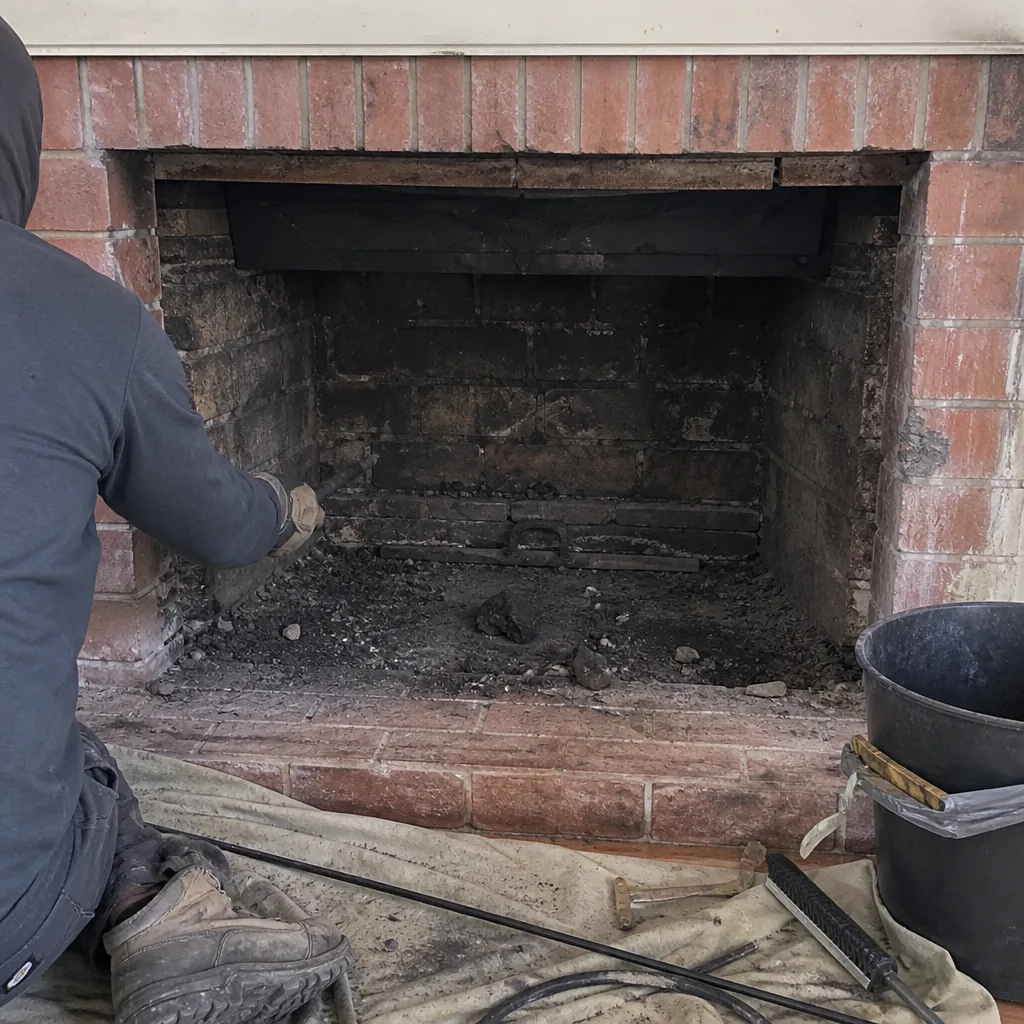 Before
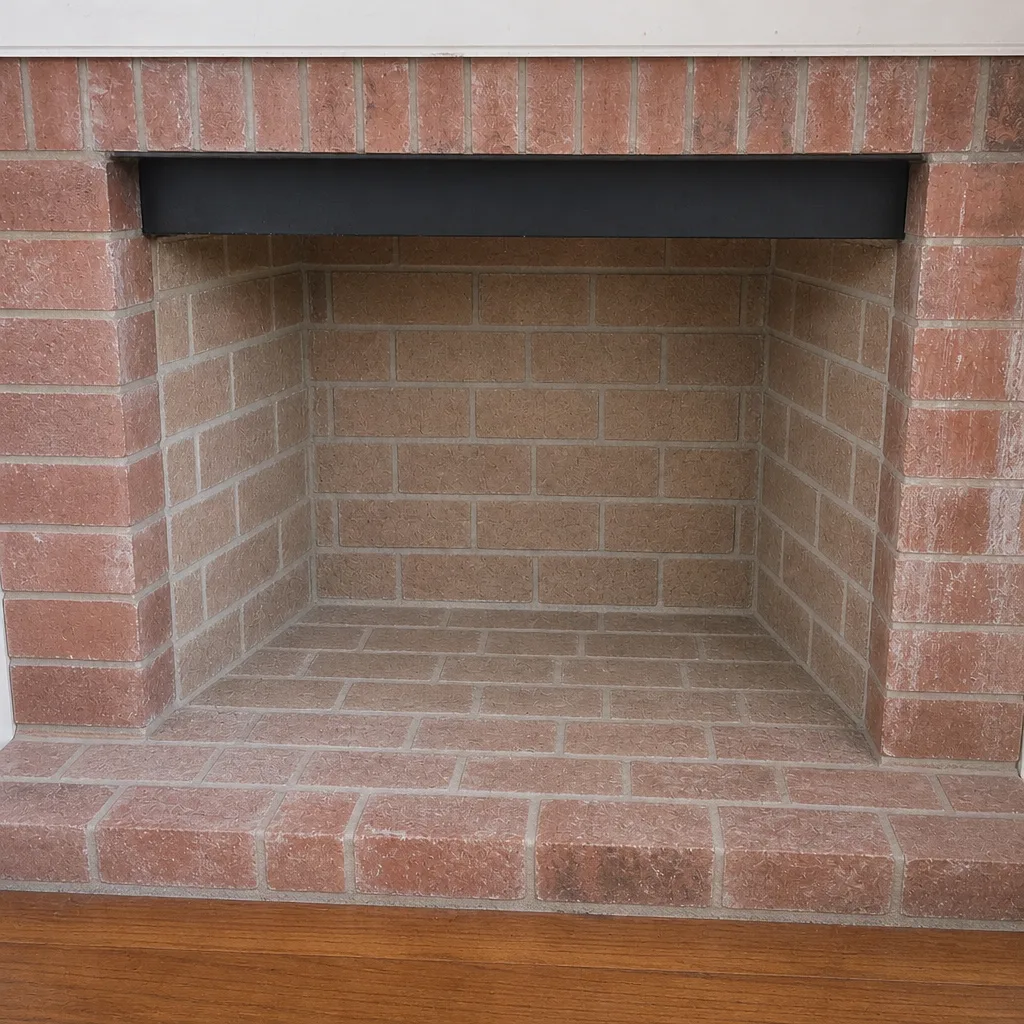 After
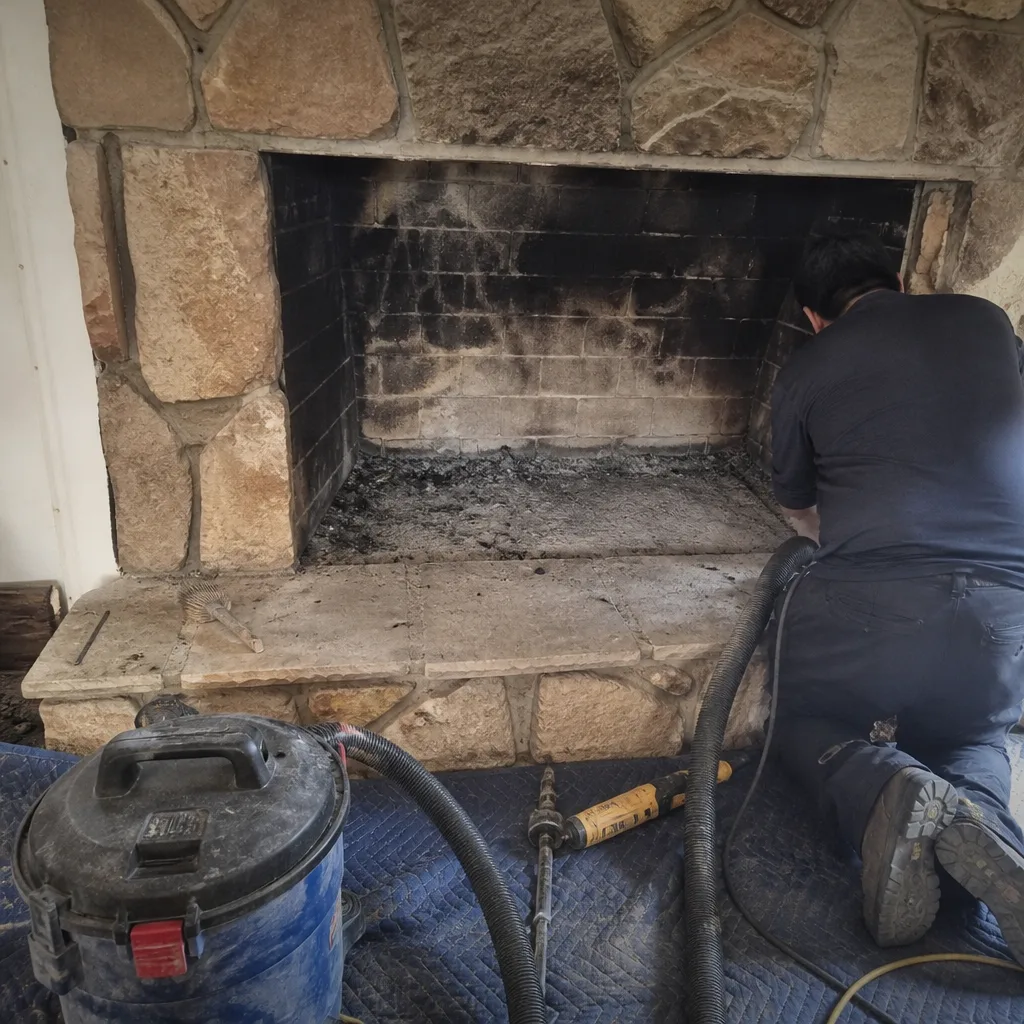 Before
 After
 Before
 After
When to Call a Professional
Call a professional if you see two or more of the warning signs in this guide at once, if the acrid smell is present with no fire burning, if there’s a sulfurous smell anywhere near a gas appliance, if you see ceiling staining or wall cracks along the flue line, or if you cannot remember the last time the chimney was inspected. If you’re preparing a house for sale and need documented condition, an inspection with a written report covers what buyers ask for. If you’re simply not sure whether what you’re seeing is normal, that’s also a reason to call; a look from someone who inspects chimneys all week is more useful than another season of watching the stain.
Chimney Sweep Garden Grove offers free estimates in Garden Grove. Call (877) 770-1311. We answer 24/7. Fast dispatch from 7am to 7pm, Sunday through Friday. Our technicians have up to 9 years of experience. If the repair turns out to be a fireplace issue rather than a flue issue, fireplace repair is handled as a separate service by the same team, so there’s no handoff to another contractor.
Frequently Asked Questions
Efflorescence on the exterior brick is the earliest visible warning sign, usually appearing weeks to months before anything else does. It’s a white powdery stain that appears when water is moving through the masonry, and it’s usually the first visible clue of a compromised flue liner or a failing crown. If you see it and nothing else, it’s still worth a look. Call (877) 770-1311 for a free estimate.
Yes. Cracks in the crown let water run directly into the chase, and the damage that follows is usually inside the house before it shows outside. A cap and crown installation corrects the issue at the top and is the most cost-effective intervention available. Call (877) 770-1311 for a free estimate.
Acrid and tar-like means creosote; musty and damp means moisture; sulfurous and rotten-egg means a gas appliance issue. Each one needs a different inspection approach, so the category matters more than the intensity. If you can’t place the smell, describe it in your own words; a technician can sort it out on the visit. Call (877) 770-1311 for a free estimate.
Yes, and this is common. Efflorescence, spalling brick, and rust staining all show on the exterior before the draft ever misbehaves. That’s precisely why we recommend an exterior walk of the chimney each year, and that’s why a camera inspection with a photo report matters; the flue interior can be compromised while the fire still draws. Call (877) 770-1311 for a free estimate.
Once a year if you burn wood regularly, and any time you notice two or more of the warning signs in this guide. Mild local winters don’t shorten that interval, because moisture-driven problems fly under the radar while the fireplace still draws. A gap of more than a year is generally a reason to schedule a look. Call (877) 770-1311 for a free estimate.
The short answer is that the repair scope grows, not the risk of a single dramatic event. Water intrusion that starts at the crown eventually reaches the ceiling drywall, the framing, and the flue liner, and each of those stages adds work. Creosote that starts as a smell eventually becomes a genuine fire risk. Neither is a scare tactic; both are what we see when homeowners wait. Call (877) 770-1311 for a free estimate.
The Bottom Line
The signals that matter most in Garden Grove show up before anything dramatic happens. Efflorescence, spalling brick, a deteriorating crown, rust on the chase cover, uneven soot patterns, a draft that misbehaves on cool mornings, and musty or acrid odors all point to specific conditions you can act on while the repair is still small. The value of a warning signs guide isn’t the list itself; it’s getting the documentation right so the technician can make a real diagnosis instead of a generic recommendation. Photograph what you see, note when you saw it, and call when you have two or more signals or a smell that doesn’t go away. That’s the whole guide in one paragraph.
Chimney Sweep Garden Grove handles sweeping, inspection, fireplace repair, chimney repair, and cap and crown installation as one service, working with professional-grade materials including DuraFlex, HeatShield, Copperfield, and Famco. Nothing gets recommended without camera evidence you can review. If a repair can safely wait, we’ll tell you so. For a free estimate in Garden Grove, call (877) 770-1311. We answer 24/7. Fast dispatch from 7am to 7pm, Sunday through Friday.
Written by the team at Chimney Sweep Garden Grove.