
Last updated November 23, 2026
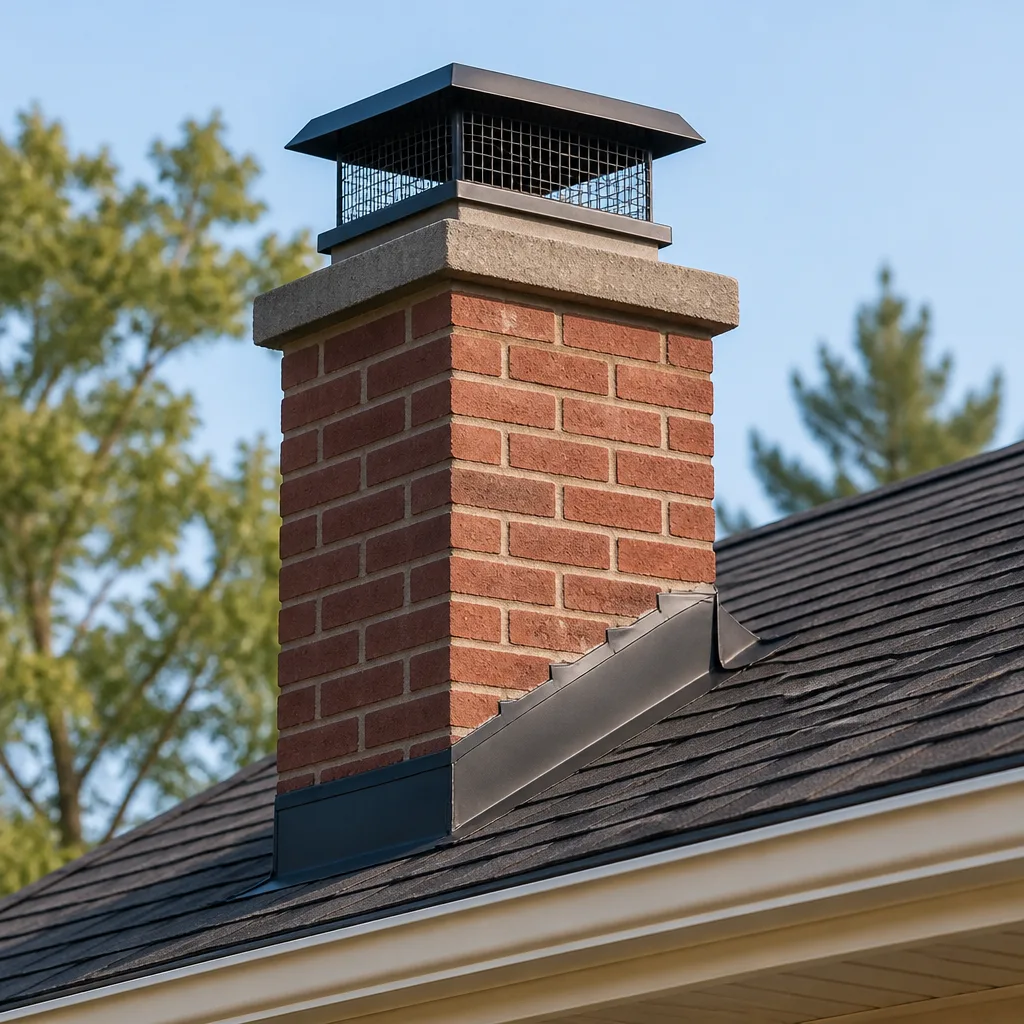 Sweep & inspection
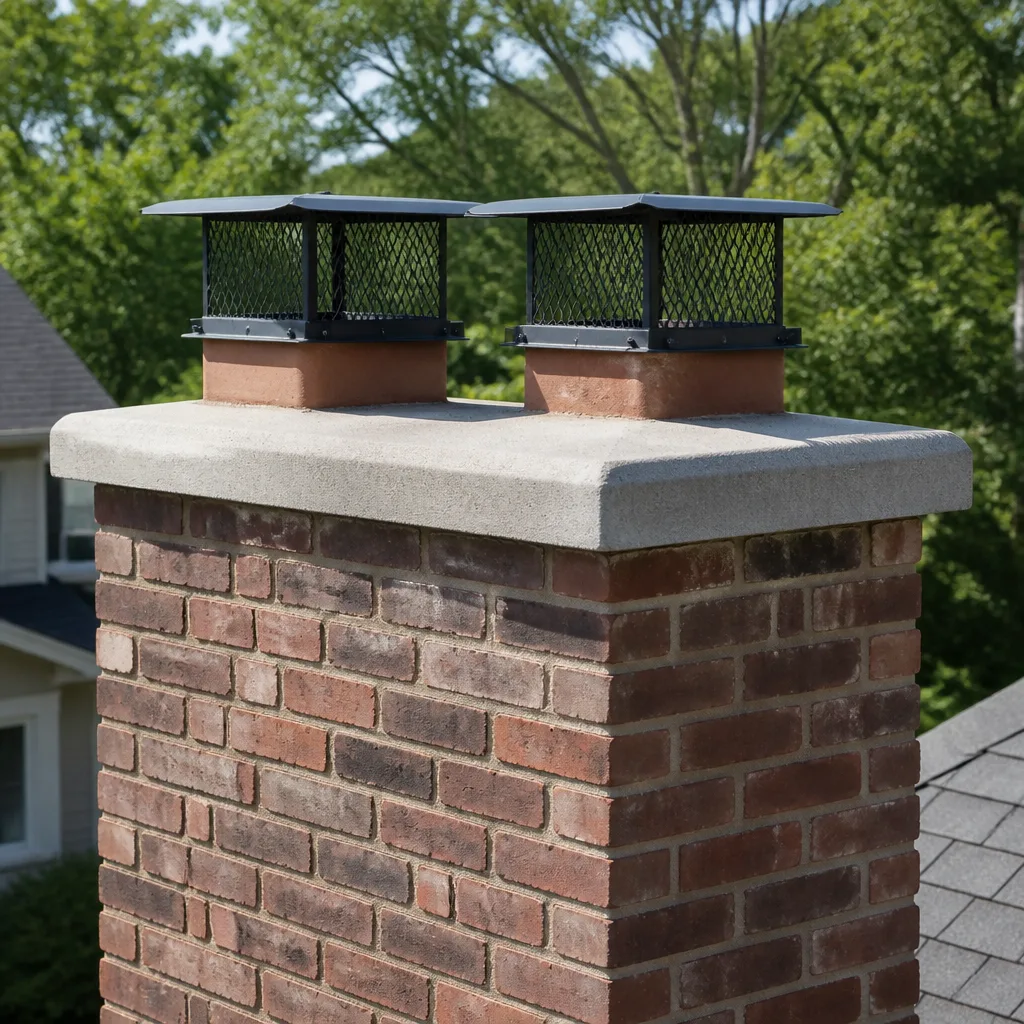 Caps & crowns
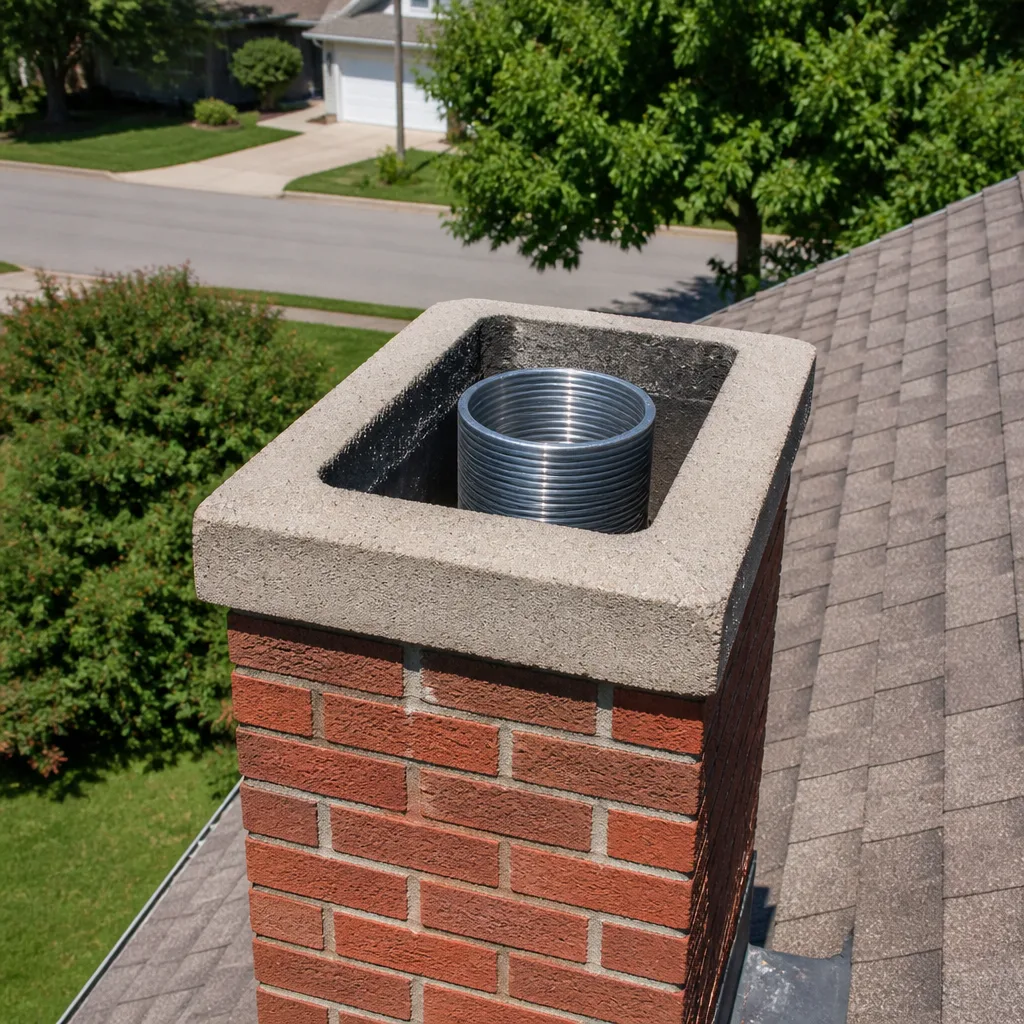 Flue relining
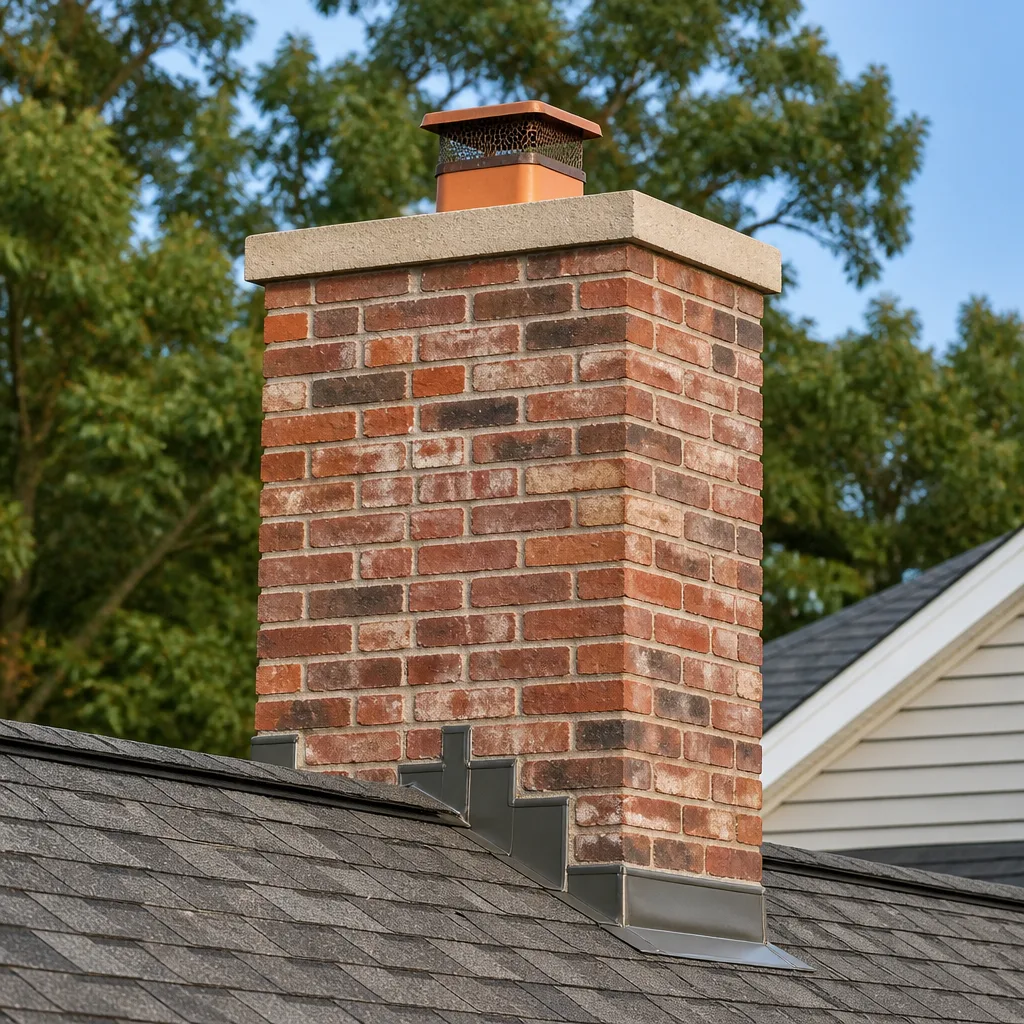 Masonry repair
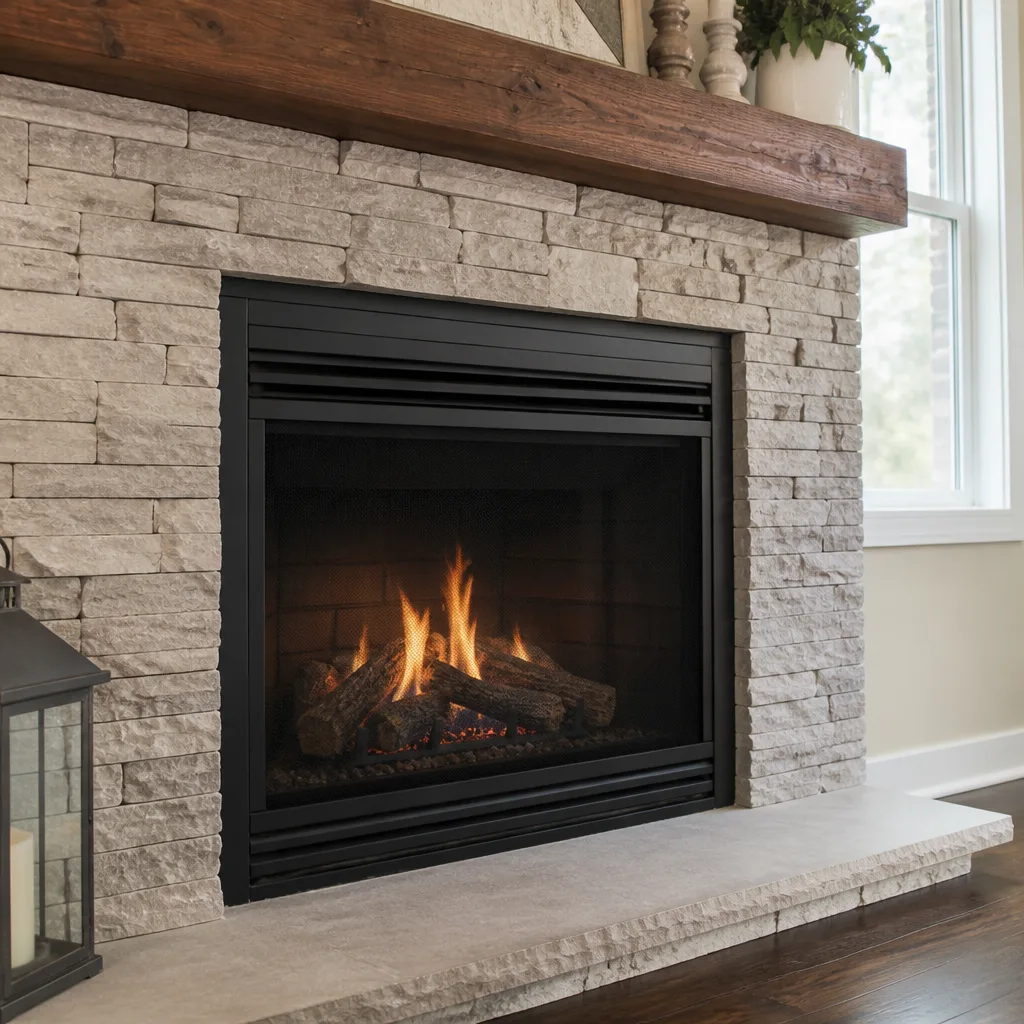 Gas fireplace service
Level 1 sweep and inspection to the NFPA 211 annual standard - flue, crown, cap, and flashing checked and photographed
Chimney sweep logs do not sweep chimneys. They loosen some creosote - which then falls where a brush and vacuum still have to collect it.
Chimney Cleaning Permits, Codes & Inspections in Garden Grove, CA: What You Need to Know
Routine chimney sweeping in Garden Grove does not require a permit. Nobody from the city inspects your flue before cleaning and nobody stamps a form when the soot is gone. What surprises most homeowners is where that line actually sits: the moment the work crosses from maintenance into structural repair, from cleaning into relining or resurfacing, the California Residential Code and the local jurisdiction are squarely in the picture. And the gap between those two categories is where insurance claims and sale disclosures run into trouble. This guide draws that line clearly, covering what triggers a permit in Garden Grove, how NFPA 211 standards interact with California code, and what to ask before any repair starts.
Quick Answer
Chimney cleaning and routine inspection are maintenance, not construction, so Garden Grove does not require a permit for a standard sweep. Replacing a flue liner, applying HeatShield resurfacing to a damaged flue, rebuilding a firebox, or installing a gas insert is structural or mechanical work, and under the California Residential Code that work generally needs a permit issued through the local building jurisdiction. A Level 2 inspection under NFPA 211 is the document that determines which category your chimney falls into.
Styles & brands we work with
- Sweep & inspection
- Caps & crowns
- Flue relining
- Masonry repair
- Gas fireplace service
Table of Contents
- Where Garden Grove Draws the Permit Line
- NFPA 211, Level 2 Inspections, and California Code
- The Scope of Work That Triggers a Permit
- What a Level 2 Inspection Must Document
- What to Ask a Contractor Before Repair Begins
- Permitted Work, Sale Disclosures, and Insurance Claims
- How Garden Grove’s Climate Affects Chimney and Code Decisions
- How a Permitted Chimney Job Actually Runs
Where Garden Grove Draws the Permit Line
Garden Grove sits inside Orange County and operates under a local building department that enforces the California Residential Code as its base, with the local amendments every Orange County jurisdiction layers on top. For chimney systems, that code governs the structural parts: the flue, the firebox, the masonry or factory-built enclosure, the connections and clearances, and the chimney cap and crown. What it does not govern is cleaning. A sweep that removes creosote from a previously sound flue is maintenance in the same sense as cleaning gutters, and it does not require a permit in Garden Grove.
The practical question, then, is not “does chimney work need a permit” but “which chimney work is construction.” Here is the distinction in plain terms:
- Maintenance, generally no permit: sweeping, a Level 1 inspection, minor cap or spark arrestor replacement, minor fireplace door or screen repair, and routine cleaning of a gas log set.
- Structural or mechanical, generally requires a permit: full flue liner replacement or relining, flue resurfacing with a product like HeatShield, firebox rebuilds, masonry repair that affects the flue or chimney structure, gas insert installation, and changing the type of appliance the flue serves.
We’ve seen the distinction get muddled when a homeowner reads a manufacturer’s product page and assumes the repair counts as maintenance because it involves a material applied to the inside of the flue rather than new brick. That assumption is the one that costs people later. Resurfacing a damaged flue with HeatShield, or installing a DuraFlex flexible liner, is a structural repair of the chimney’s pressure boundary, and it belongs under the same permit framework as a rebuild.
Because Garden Grove is one of many Orange County jurisdictions with its own permit counter and review schedule, the specific forms, fees and inspection sequencing vary slightly from neighboring cities. The rule that does not vary is this: before the work starts, the certified professional handling the job confirms with the local building department whether the project is permit-required and, if it is, pulls the permit in the homeowner’s name with the property address attached. That answer should come before a contract is signed, not after the liner is already in.
NFPA 211, Level 2 Inspections, and California Code
California code and NFPA 211 are not competing standards. They cooperate. The California Residential Code sets the legal minimum for how a chimney must be built, clearanced and connected, and NFPA 211, the Standard for Chimneys, Fireplaces, Vents, and Solid Fuel-Burning Appliances, sets the technical standard for inspecting and evaluating those systems. In practice, the code is what a local building inspector enforces, and NFPA 211 is what a certified chimney professional applies when determining whether the chimney is safe to use and what condition it’s in.
The three inspection levels under NFPA 211 are the vocabulary both sides share:
- Level 1 inspection: a visual check of the accessible portions of the chimney, firebox, and connector with the standard tools. Required annually, and required after a change of appliance fuel type or a routine sweep.
- Level 2 inspection: everything in Level 1 plus a visual inspection of the entire flue interior using a camera, and inspection of accessible attic, crawlspace and concealed spaces. Required after a chimney fire, after an earthquake or other event that may have damaged the chimney, after a change in appliance type, and at a property transfer, which is the inspection most Garden Grove sellers order.
- Level 3 inspection: everything in Level 2 plus the removal of portions of the chimney or building construction to access concealed areas, when a Level 2 inspection finds a suspected hazard the camera can’t resolve.
Where this intersects the code: a permit application for a liner replacement or a firebox rebuild typically requires documentation of the chimney’s existing condition. A Level 2 inspection, with the camera footage and photo report attached, is exactly that document. The Garden Grove building inspector signs off on the completed work, but the standard for whether the work is safe is NFPA 211. We tell homeowners this because it directly affects the paperwork they should expect to receive: a proper Level 2 report is not just photos of soot, it’s a record of flue size, offset, condition, clearance to combustibles, and whether a liner replacement is warranted or a resurfacing will do.
The Scope of Work That Triggers a Permit
This is the section homeowners search for, and the answer is specific. Under the California Residential Code as applied in Garden Grove, the following scope of work is construction and generally requires a permit:
- Full flue liner replacement or relining: whether the liner is stainless steel (a DuraFlex flexible liner, for example) or a cast-in-place product. Anything that replaces the flue’s pressure boundary is a structural repair.
- Flue resurfacing with HeatShield: a repair product that restores the interior of a damaged clay flue. It’s a structural repair even though it doesn’t look like new construction, and it needs a permit in Garden Grove.
- Firebox rebuilds: removing and reconstructing the firebox or the masonry facing that contains the fire.
- Gas insert installation: modifying the chimney or vent connection for a new gas appliance, including changing from an open fireplace to an insert. The vent connection and clearances change, so the change of appliance type is a mechanical and structural change.
- Masonry repair affecting structure: rebuilding a chimney above the roofline, rebuilding a damaged crown that’s more than a patch, or repairing a chimney chase that has separated from the house.
- Converting an appliance type: changing a wood-burning flue to serve a gas appliance or vice versa, which affects the flue sizing and liner system.
What generally does not require a permit: a routine sweep, a Level 1 or Level 2 inspection on its own, replacing a chimney cap or spark arrestor, replacing a chimney crown that’s a simple replacement in kind, and repairing a fireplace door, damper handle or screen. Those are all maintenance.
The gray zone is real and it’s worth naming. Cosmetic masonry repair on the chimney exterior, replacing a few damaged bricks without changing the flue, is often treated as maintenance. Applying sealant to a crown is maintenance. But if the crown has cracked through and the chimney chase is letting in water that’s damaging the flue liner, the repair moves into structural scope and the permit question comes back. We tell homeowners to get the straight answer from the building department in writing before a contract is signed, because the cost of a permit on a $3,000 to $8,000 liner job is small, and the cost of doing it unpermitted can be an insurance claim denial years later.
What a Level 2 Inspection Must Document
A Level 2 inspection is the document that answers the permit question, so it’s worth knowing exactly what it contains. It’s required at a property transfer in Garden Grove, after a chimney fire, after an earthquake, and after a change in appliance type. When a homeowner orders one for a sale or a repair decision, here’s what a proper report covers:
- The flue interior, via camera: photographic or video evidence of the entire flue from the firebox to the top, with the flue’s size, shape and any offsets noted. This is where liner damage, gaps at joints, and glazing from creosote show up.
- Clearances to combustibles: the measured distance between the chimney and any framing, insulation, or other combustible material it passes near. Clearance failures are the root cause of most chimney fires that spread, and they’re often invisible from the firebox.
- The appliance and connector: the stove or insert, the connector pipe, fireplace doors, the damper, and any gaps at the connection points.
- The chimney exterior and roof-level components: the cap, the crown, the flashing, the masonry or siding condition, and the brickwork above the roofline.
- Accessible concealed spaces: the attic and crawlspace where the chimney passes through, plus any chase or framed enclosure.
In our experience, the most useful part of a Level 2 report for a Garden Grove homeowner is the note that says what the chimney actually needs. A camera inspection might show a flue with light glazing and no gaps, in which case the honest recommendation is a sweep and a note to come back next year. It might show a flue with a crack at a joint and a separated liner tile, in which case HeatShield resurfacing is often the right repair, not a full liner. The point of the inspection is to determine the difference, not to justify a repair. A report that says “you need a full reline” without photo or video evidence of the damage is a report to get a second opinion on.
What to Ask a Contractor Before Repair Begins
Garden Grove homeowners have the same question at this stage: how do I know the repair is necessary and the paperwork is real? You ask for four things, in writing, before the contract is signed. This list is what separates a legitimate specialist from a sweep-only operation that will sub the structural work out.
- The permit number, or a written statement that no permit is required. If the job is a liner replacement, a HeatShield application, a firebox rebuild, or a gas insert install, ask for the permit number issued by the local building department, in your name, with the property address. If the job is a sweep and inspection, ask for a written note that no permit is required for the scope.
- The Level 2 inspection report with photo or video evidence. You should be able to see the damage the repair is addressing. A summary that says “flue is deteriorated” without images is not enough to justify a $5,000 reline.
- The inspection and permit scheduling sequence. When is the rough inspection? When is the final? Who schedules it, the contractor or you? A permitted chimney job needs at least one inspection by the building department after the liner or repair is installed and before it’s closed up, and you want to know who’s responsible for that.
- Documentation for your file. The permit number, the inspection signoff, the Level 2 report, and the manufacturer’s documentation for the materials installed. All four belong in a folder that travels with the house when you sell it.
The brand names matter here too. DuraFlex, HeatShield, Copperfield and Gelco are the professional-grade lines that certified chimney specialists rely on nationwide, and the manufacturer’s documentation for those products is what your building inspector will want to see. A contractor who can produce that documentation without delay is a contractor who does permitted work routinely. A contractor who says “the permits and the manufacturer paperwork aren’t necessary, the work is small” is telling you something about how they operate.
Permitted Work, Sale Disclosures, and Insurance Claims
Two situations in Garden Grove turn a chimney repair into a legal question: selling the house, and a fire claim. In both, the permit record is the document that decides how smoothly things go.
Selling a house in Garden Grove. California’s transfer disclosure statement requires the seller to disclose known material defects, and a chimney with an unrepaired liner or a firebox issue is a material defect. When a permitted reline or firebox rebuild is done before the sale, the permit record, the final inspection signoff, and the Level 2 report all become part of the disclosure packet, and they answer the buyer’s inspector’s questions before they become a price negotiation. When an unpermitted reline is done and then discovered by the buyer’s inspector, the seller is typically the one absorbing the cost of bringing it into compliance, because a liner installed without a permit and without a final inspection has no documentation that it meets the code or the manufacturer’s installation requirements. We’ve seen this play out in escrow more than once. A permitted job is an asset at sale; an unpermitted one is a liability on the disclosure form.
After a chimney fire or a carbon monoxide event. A standard homeowner’s policy covers fire damage to the structure and contents, but it can reduce or deny a claim where the loss is attributable to work that wasn’t permitted. The insurer’s adjuster is going to ask for the permit record on the liner, the resurfacing, or the firebox rebuild that preceded the fire. If the work was permitted and inspected, the record shows the chimney was brought to code, and the claim proceeds. If it wasn’t, the claim can be held up while the insurer investigates whether the unpermitted work contributed to the loss. This is the argument we make to every Garden Grove homeowner who asks whether the permit is really necessary on a repair: the permit is the cheap insurance, and the unpermitted job is the one that can void the expensive policy.
How Garden Grove’s Climate Affects Chimney and Code Decisions
Garden Grove’s inland Orange County climate shapes what chimney problems show up here and which code items get enforced most often. Winters are mild and the heating season is short, which has two effects that surprise homeowners.
The first is that the chimney gets used enough to build creosote but not always enough to burn it off cleanly. A short, cool fire on a mild evening produces more creosote than a hot fire, because the flue gases don’t stay hot long enough to carry the creosote out. We see glazed creosote on flues that the homeowner assumed were fine, because the fireplace only gets used a few times a year. The code doesn’t mention creosote per se, but NFPA 211’s annual inspection requirement is what keeps the glazed layer from becoming a chimney-fire hazard the homeowner never knew was there.
The second is that water intrusion, which is the leading cause of structural damage to a chimney over time, is a year-round problem here rather than a seasonal one. The dry season bakes the masonry and opens small cracks; the wet season lets water into those cracks. A cracked crown or a missing chimney cap is the entry point, and the water reaches the flue liner and the framing before the homeowner notices. That’s why a chimney cap and crown are not decoration in this climate, they’re the first line of defense for the structural parts of the chimney that the code cares about. When a Garden Grove homeowner calls for a sweep and the technician sees a missing cap or a crown with a through-crack, the right recommendation is a cap and crown replacement, and the code question (whether the crown work is structural repair or maintenance) depends on how much of the crown has to come out.
The surrounding area’s housing stock runs from older mid-century homes to newer construction, and the chimneys in the older homes are the ones where a Level 2 inspection most often finds clearance problems and glazed creosote. The older masonry chimneys, specifically, are where HeatShield resurfacing earns its place: it restores the flue interior without the cost of a full reline, and it brings a deteriorating original flue back into a condition the professional trade can stand behind.
How a Permitted Chimney Job Actually Runs
When a Garden Grove chimney repair needs a permit, the job has a rhythm that’s worth knowing before you book it. This is the sequence a permitted reline, resurfacing or firebox rebuild typically follows:
- Level 2 inspection and report. The camera inspection is completed first, and the report identifies the scope of work. This report is what the permit application is built from.
- Scope and estimate. A written estimate spells out the repair and the estimated cost, with the note that the final price is set per job by the written estimate and the permit is separate.
- Permit application. The contractor files with the local building department, in your name, with the property address and the scope of work attached. The permit number is issued before the work starts.
- The work. The liner is installed, the HeatShield resurfacing is applied, or the firebox is rebuilt, matching the manufacturer’s installation requirements for the product.
- Inspection. The building department inspects the completed work before the chimney is closed up. This is the step that confirms the job meets the code, and it’s the step an unpermitted job skips.
- Documentation handoff. The permit, the inspection signoff, the Level 2 report, and the manufacturer’s paperwork are handed over for your file.
We handle all of this from one call because we run the full scope: sweep, inspection, fireplace repair, chimney repair, and chimney cap and crown installation. The permit and inspection sequence is not a separate project you have to manage on top of the repair, it’s part of the repair when the repair is done right. That’s the difference between calling a sweep-only operation and calling a specialist: a sweep-only company will do the cleaning and tell you the structural work needs a permit and a different contractor, and you’re left coordinating. One call covers the full picture.
Common Mistakes to Avoid
- Assuming the liner replacement doesn’t need a permit because it’s “inside the chimney.” The permit is about the work being structural, not about what’s visible. A DuraFlex reline or a HeatShield resurfacing without a permit leaves the job undocumented in Garden Grove and can cause problems at sale or after a fire claim.
- Accepting a repair recommendation with no photo or video evidence. A Level 2 inspection report should show you the flue interior. If a homeowner is told a full reline is necessary and there’s no camera footage of a crack or a gap, get a second opinion before signing.
- Skipping the crown and cap while the liner is being replaced. The cap and crown are the entry point for water, and replacing a liner under a cracked crown leaves the new liner exposed to the same water damage. Do both while the chimney is opened up.
- Booking a sweep-only company for a repair decision. A sweep-only operation can clean the flue but will tell you the structural work needs a permit and a different contractor. A specialist can run the sweep, the inspection, the permit, and the repair under one scope.
- Not keeping the permit record. The permit number, the inspection signoff, the Level 2 report, and the manufacturer’s paperwork all belong in a folder. They are the documents a buyer’s inspector and an insurance adjuster will ask for.
- Treating a fireplace that “works fine” as needing no inspection. A flue can have a cracked joint or glazed creosote and still draft, and the annual inspection is the only way to find it. NFPA 211 requires a Level 1 inspection annually, and Garden Grove’s mild winters are exactly the climate where creosote builds quietly.
- Using a handyman for a permit-required repair. A handyman may be able to sweep and may even be able to install a cap, but a liner replacement, resurfacing, or firebox rebuild needs a contractor who pulls the permit and schedules the inspection. Skipping that step is the one that can void a claim.
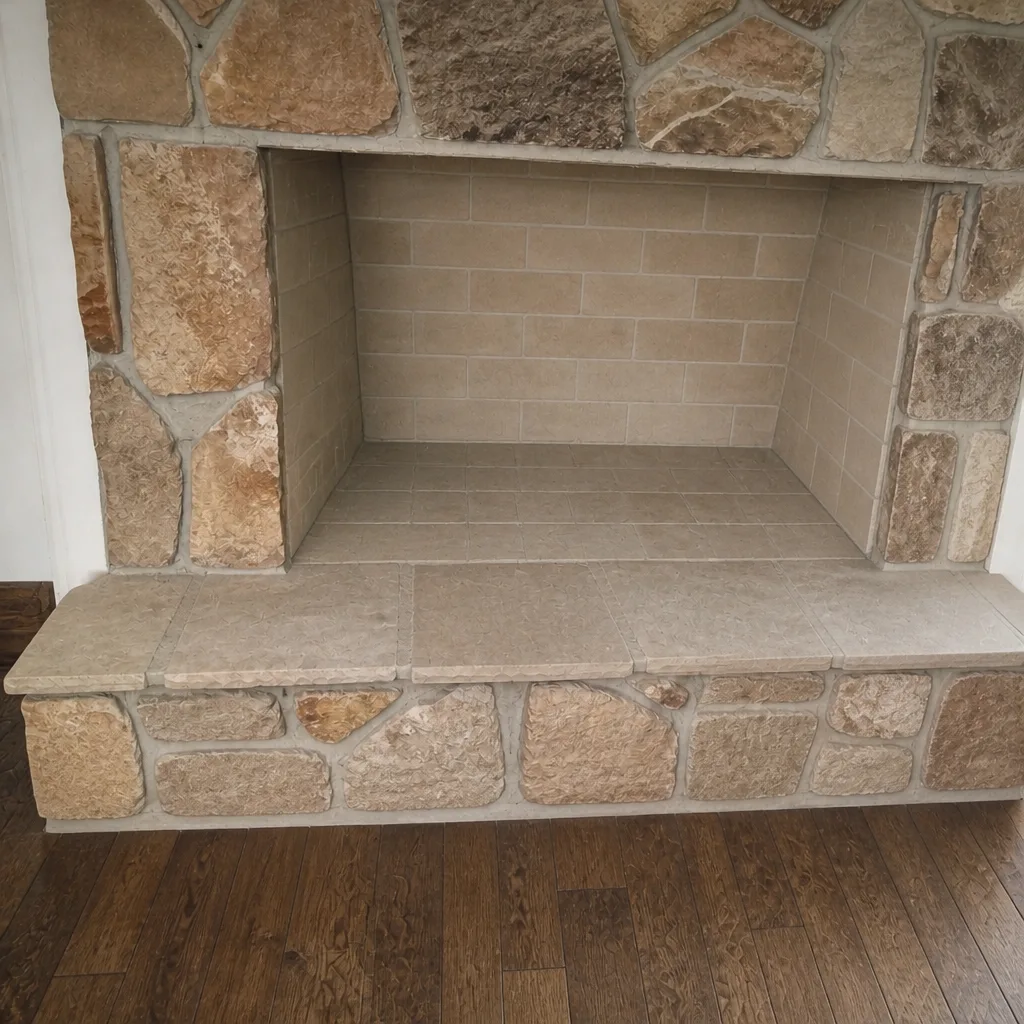
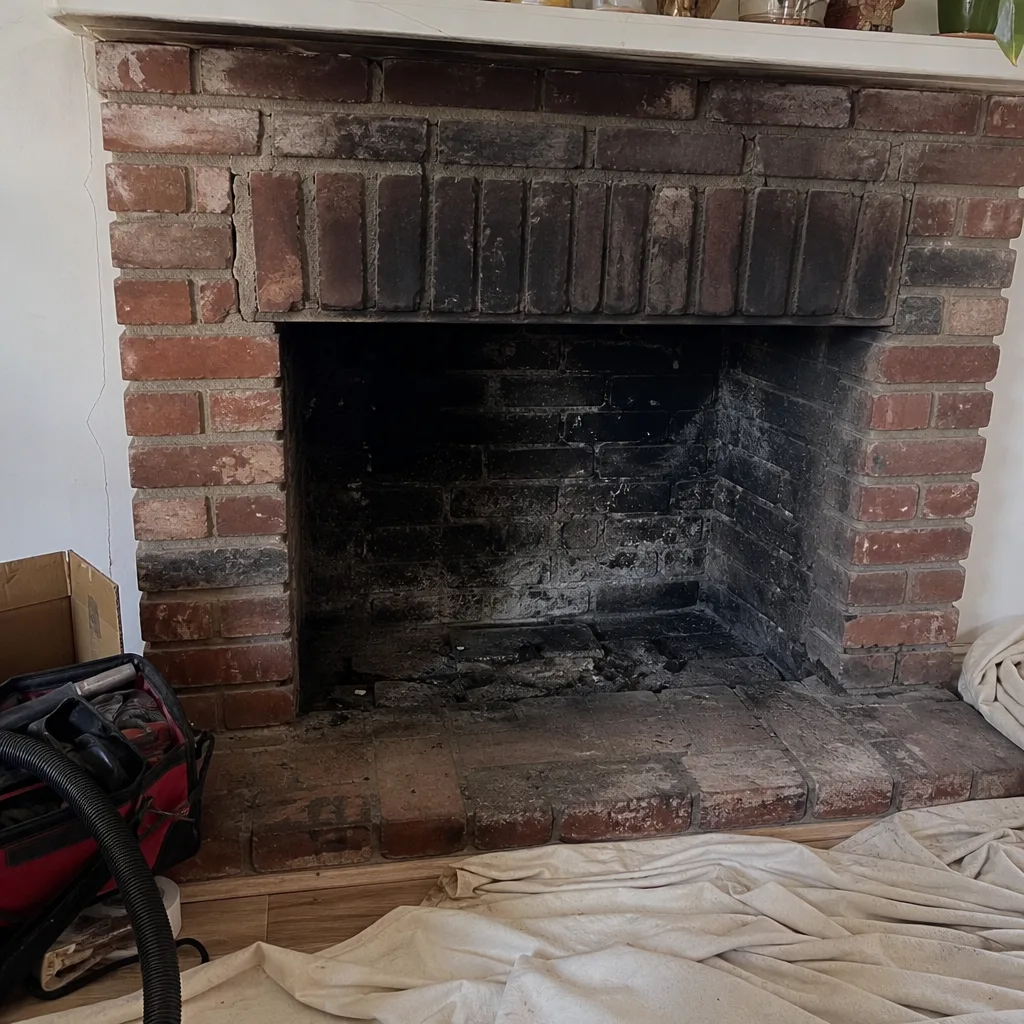
See the difference
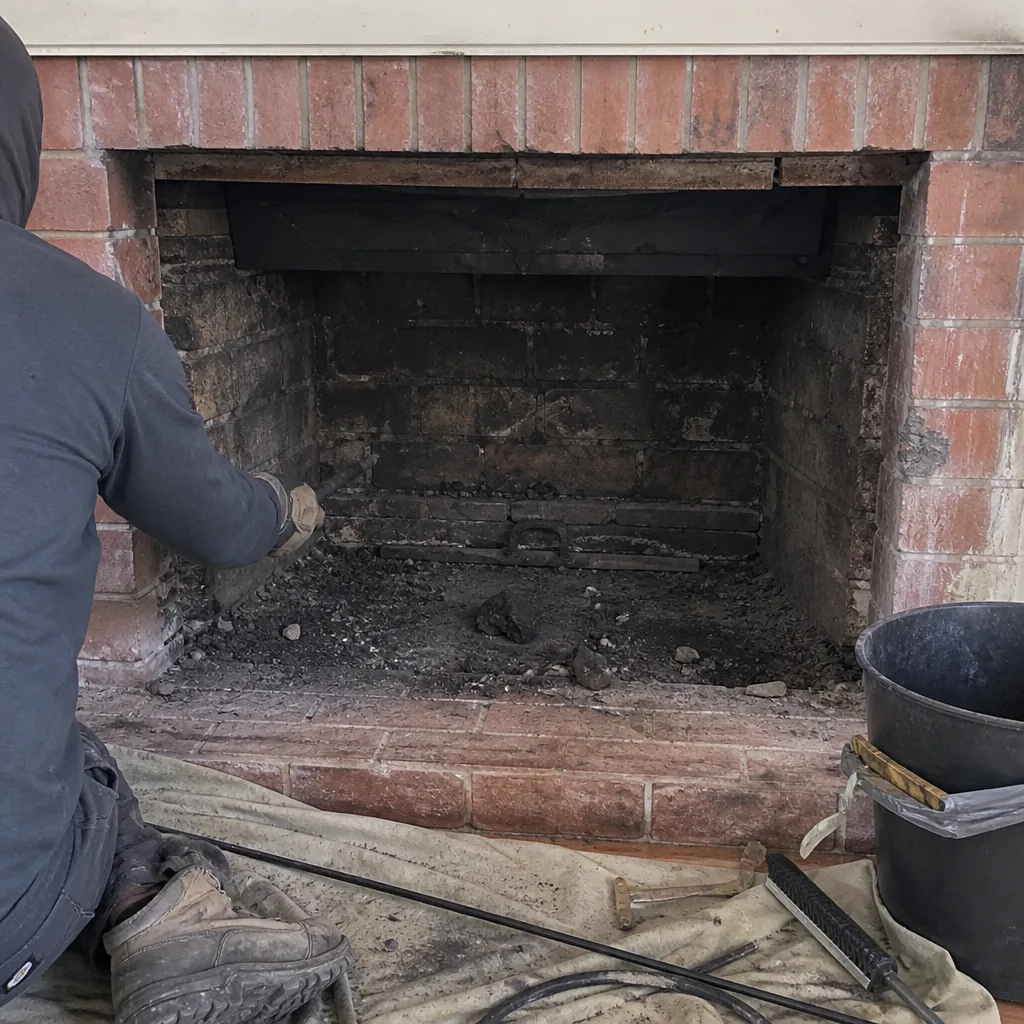 Before
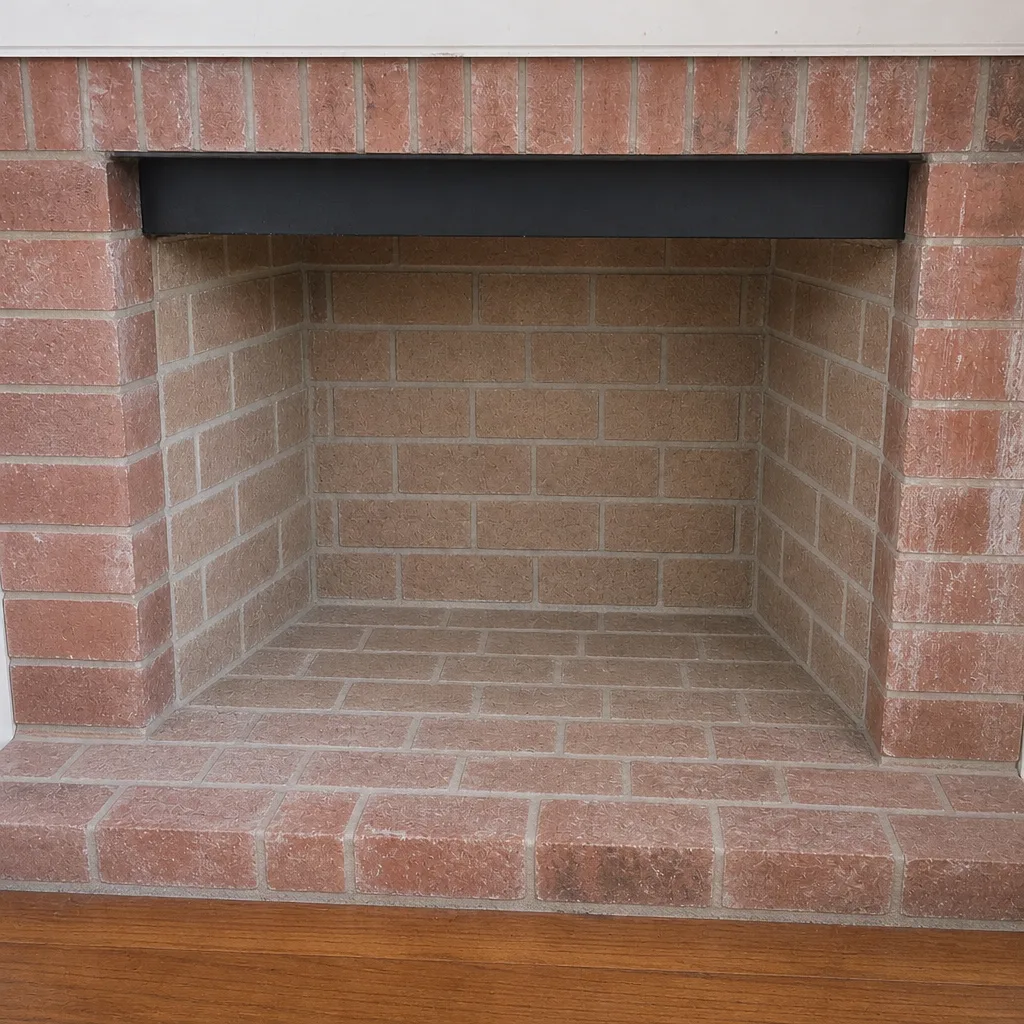 After
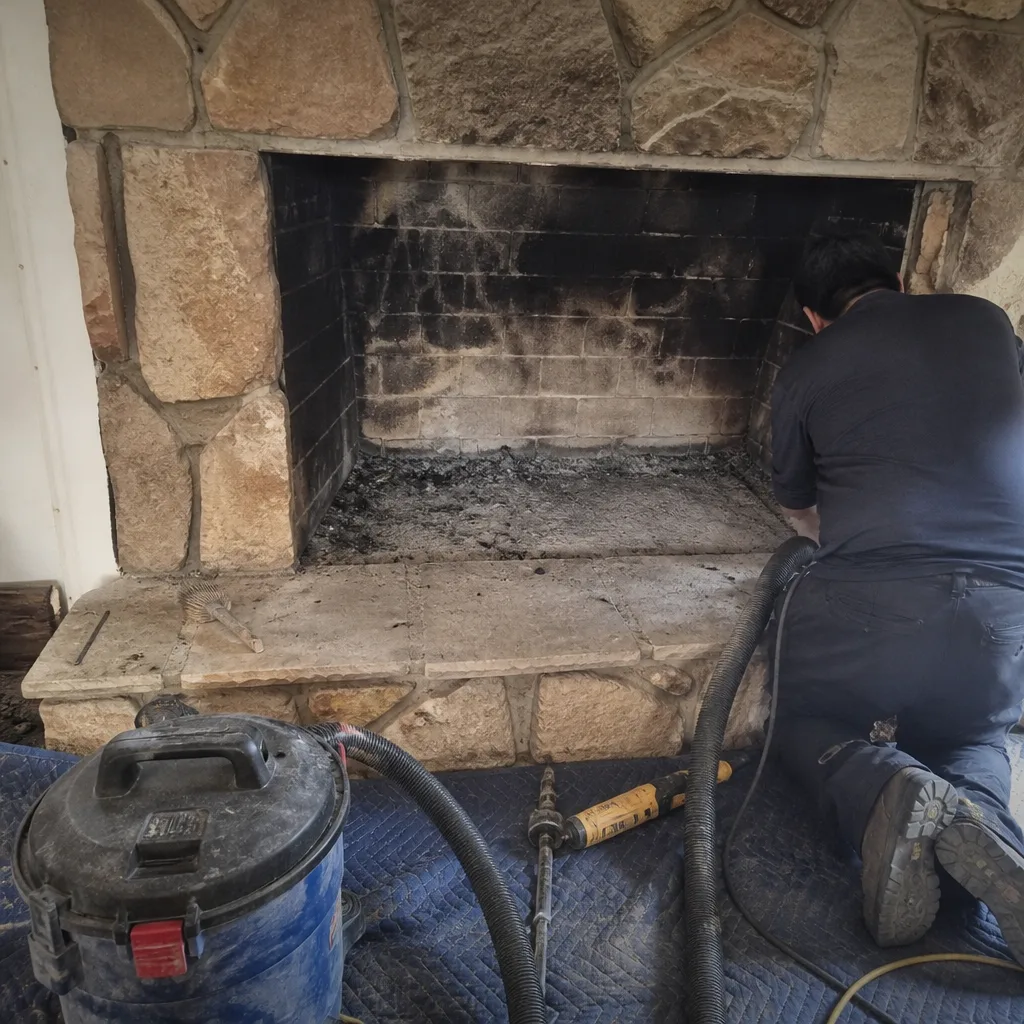 Before
 After
 Before
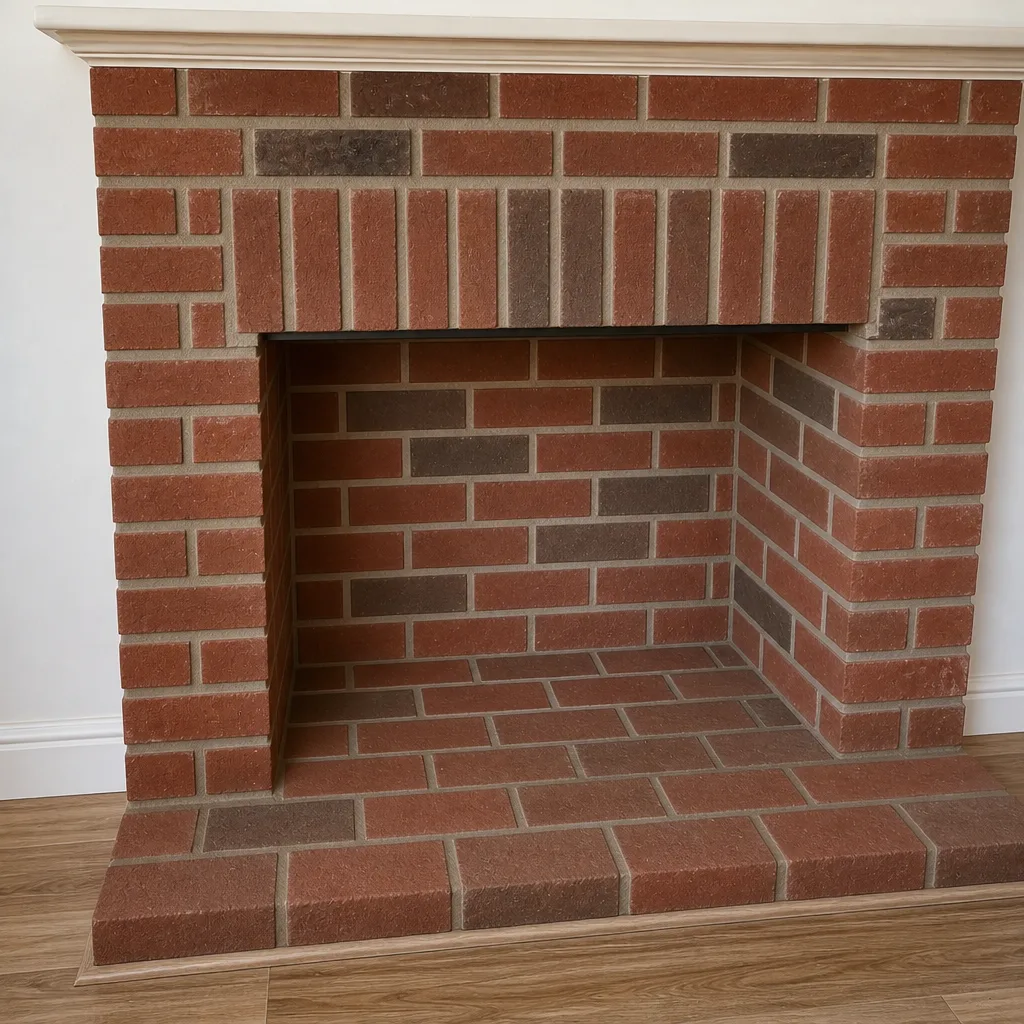 After
When to Call a Professional
Call before the repair decision, not after it. If you’re a Garden Grove seller preparing a disclosure packet, a Level 2 inspection is the document you need before the buyer’s inspector finds something. If you’re noticing smoke, odor, or draft issues, that’s a sign the flue needs a camera inspection, not another sweep. If you’re buying a house with an older chimney, a Level 2 inspection is the reasonable way to know what you’re buying. And if a previous owner had work done with no permit record, an inspection can tell you what’s actually there and what needs to be brought into compliance.
Our technicians have up to 9 years of experience, and we work with the professional-grade lines, DuraFlex, HeatShield, Copperfield, Gelco, Olympia Chimney and Famco, that certified chimney specialists rely on. Chimney Sweep Garden Grove offers free estimates in Garden Grove. Call (877) 770-1311. We answer 24/7. Fast dispatch from 7am to 7pm, Sunday through Friday. A call outside dispatch hours is booked into the next opening.
Frequently Asked Questions
No, routine chimney cleaning and a standard annual inspection do not require a permit in Garden Grove. A sweep removes creosote from a previously sound flue, and that’s maintenance. The moment the work crosses into repair, such as a liner replacement, a HeatShield resurfacing, a firebox rebuild, or a gas insert install, the work becomes structural or mechanical and generally needs a permit through the local building department. Call (877) 770-1311 for a free estimate and we’ll confirm which category your job falls into.
The rule of thumb is simple: if the repair changes the flue’s pressure boundary or the appliance connection, it needs a permit. That includes full relining with a DuraFlex liner, resurfacing with HeatShield, firebox rebuilds, gas insert installation, and masonry repair that affects the chimney structure. Sweeping, a Level 1 or Level 2 inspection, a cap replacement, a simple crown replacement, and minor fireplace repair are typically maintenance. A Level 2 inspection report is the document that draws the line for your specific chimney, and we can prepare one as part of a free estimate. Call (877) 770-1311.
A Level 2 inspection under NFPA 211 is a camera inspection of the entire flue interior plus a check of clearances to combustibles, the appliance and connector, and accessible attic and crawlspace spaces. It’s required after a chimney fire, after an earthquake, after a change in appliance type, and at a property transfer, which makes it the inspection most Garden Grove sellers order. It matters because it’s the document a permit application and a home sale disclosure are both built from. Call (877) 770-1311 for a free estimate.
Yes, it can matter a great deal. California’s transfer disclosure statement requires the seller to disclose known material defects, and an unpermitted repair is a defect the buyer’s inspector will likely find. A permitted reline with a final inspection signoff is an asset at sale and answers the buyer’s questions. An unpermitted one can become a price negotiation at the seller’s expense, because bringing it into compliance usually means redoing the work. Call (877) 770-1311 for an inspection before you list.
Yes. A standard homeowner’s policy covers fire damage, but the insurer’s adjuster can reduce or deny a claim where the loss is attributable to work that wasn’t permitted. The permit record on a liner or firebox rebuild shows the chimney was brought to code, and that record is often what lets the claim proceed after a chimney fire. For a Garden Grove homeowner, the permit is the documentation the claim needs. Call (877) 770-1311 for a free estimate before any repair starts.
Yes, NFPA 211 requires an annual Level 1 inspection, and Garden Grove’s mild winters are exactly the climate where this matters most. A fireplace used a few times a year builds glazed creosote that a light-use owner never notices, and glazed creosote is the chimney-fire hazard that shows up without warning. An annual inspection is also how a cracked crown or a missing cap gets caught before water damage reaches the flue liner. Call (877) 770-1311 for a free estimate.
For a routine sweep, a handyman may be able to clean the flue, but for any repair that requires a permit (liner replacement, resurfacing, firebox rebuild, gas insert install), the work needs a contractor who will pull the permit and schedule the inspection. A sweep-only operation can’t run the full scope, and a handyman typically isn’t set up to pull the permit. The right call for a repair decision is a full-service chimney specialist. Call (877) 770-1311 for a free estimate.
The Bottom Line
Chimney sweeping is maintenance in Garden Grove and doesn’t need a permit. Liner replacement, HeatShield resurfacing, firebox rebuilds and gas insert installation are structural or mechanical work under the California Residential Code and generally do require a permit from the local building department. The document that draws the line is a Level 2 inspection under NFPA 211, and it’s the same document that carries a home sale disclosure and supports an insurance claim after a fire. Ask any contractor for the permit number or a written statement that no permit is required, the inspection report with photo or video evidence, the inspection schedule, and the paperwork for your file. A permitted job is an asset at sale; an unpermitted one is a liability. If you’d like a straight answer on which category your chimney falls into, call us for a free estimate.
Chimney Sweep Garden Grove – one call covers the full picture: sweep, inspection, repair and protection. Call (877) 770-1311. We answer 24/7. Fast dispatch from 7am to 7pm, Sunday through Friday. Explore our chimney sweep services in Garden Grove and book a chimney sweep when you’re ready.
Written by the team at Chimney Sweep Garden Grove.