
Last updated November 23, 2026
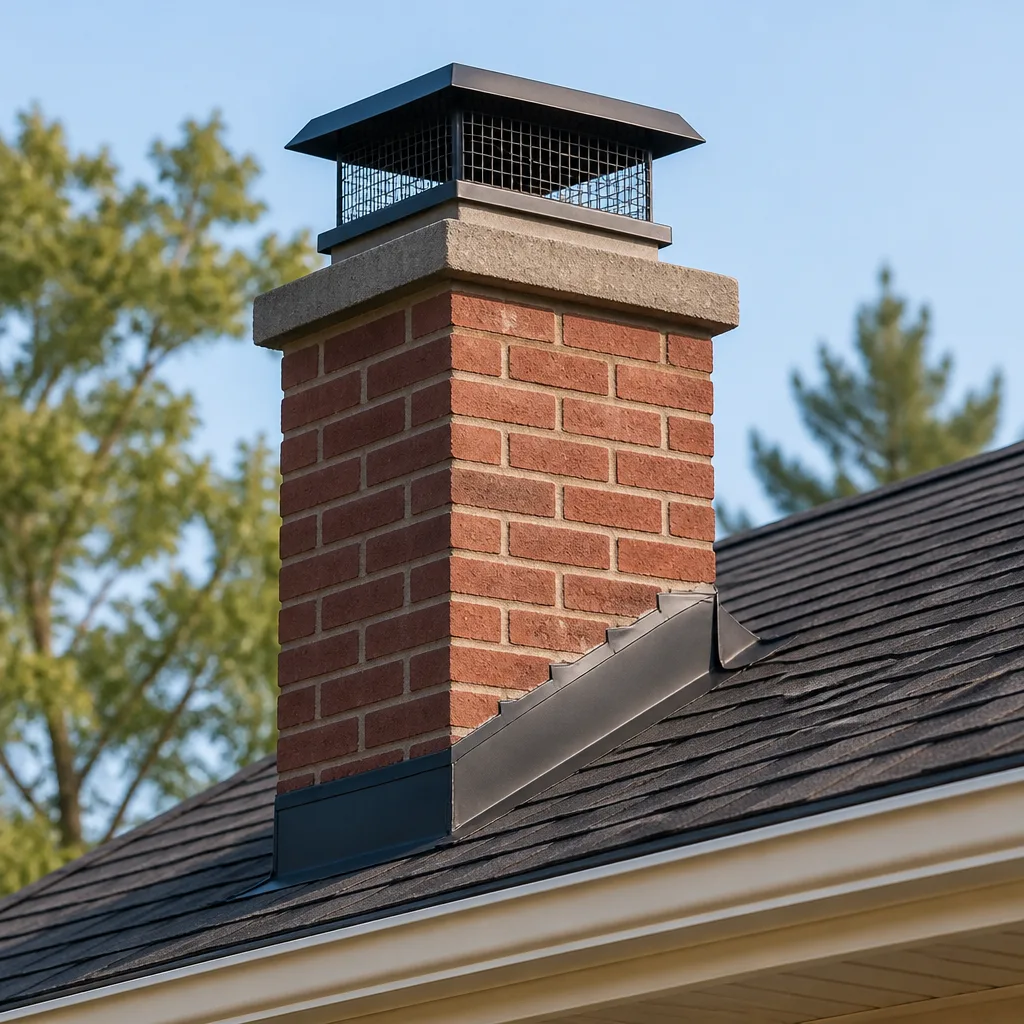 Sweep & inspection
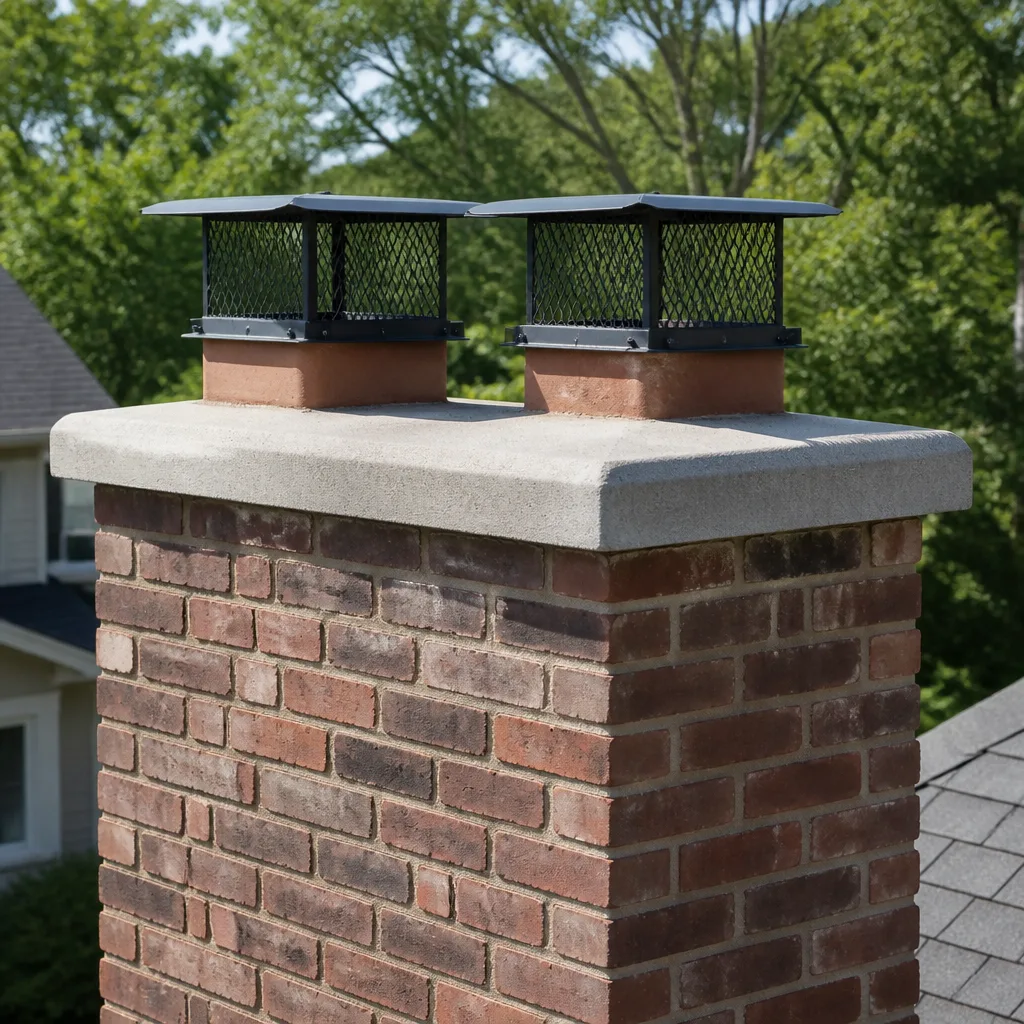 Caps & crowns
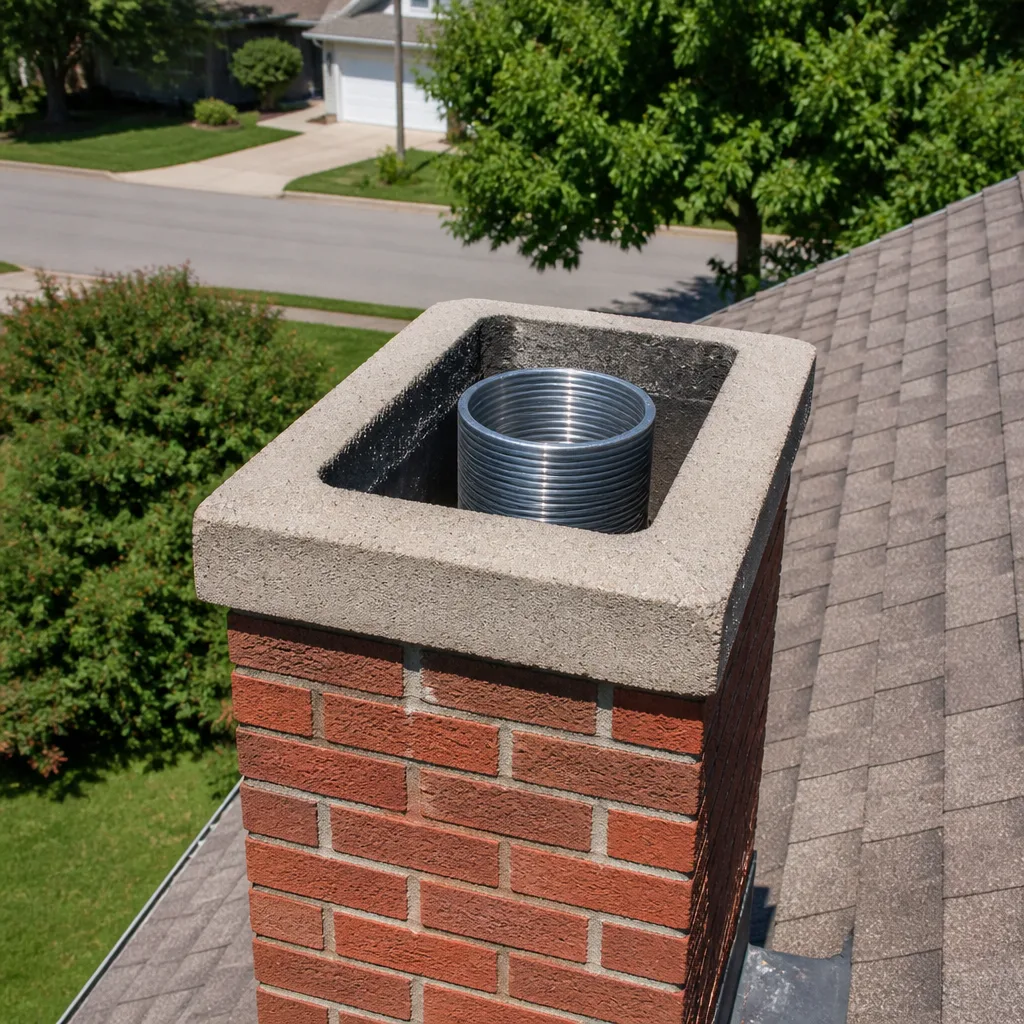 Flue relining
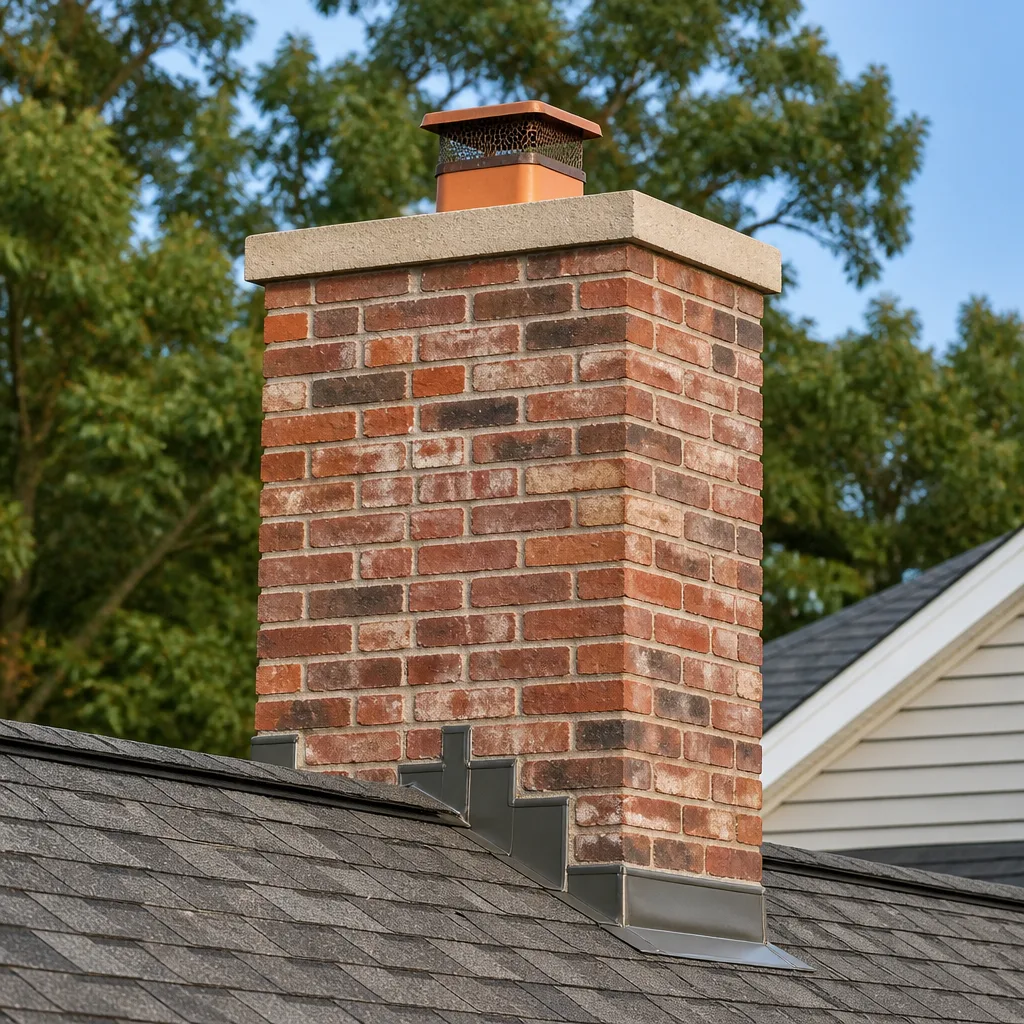 Masonry repair
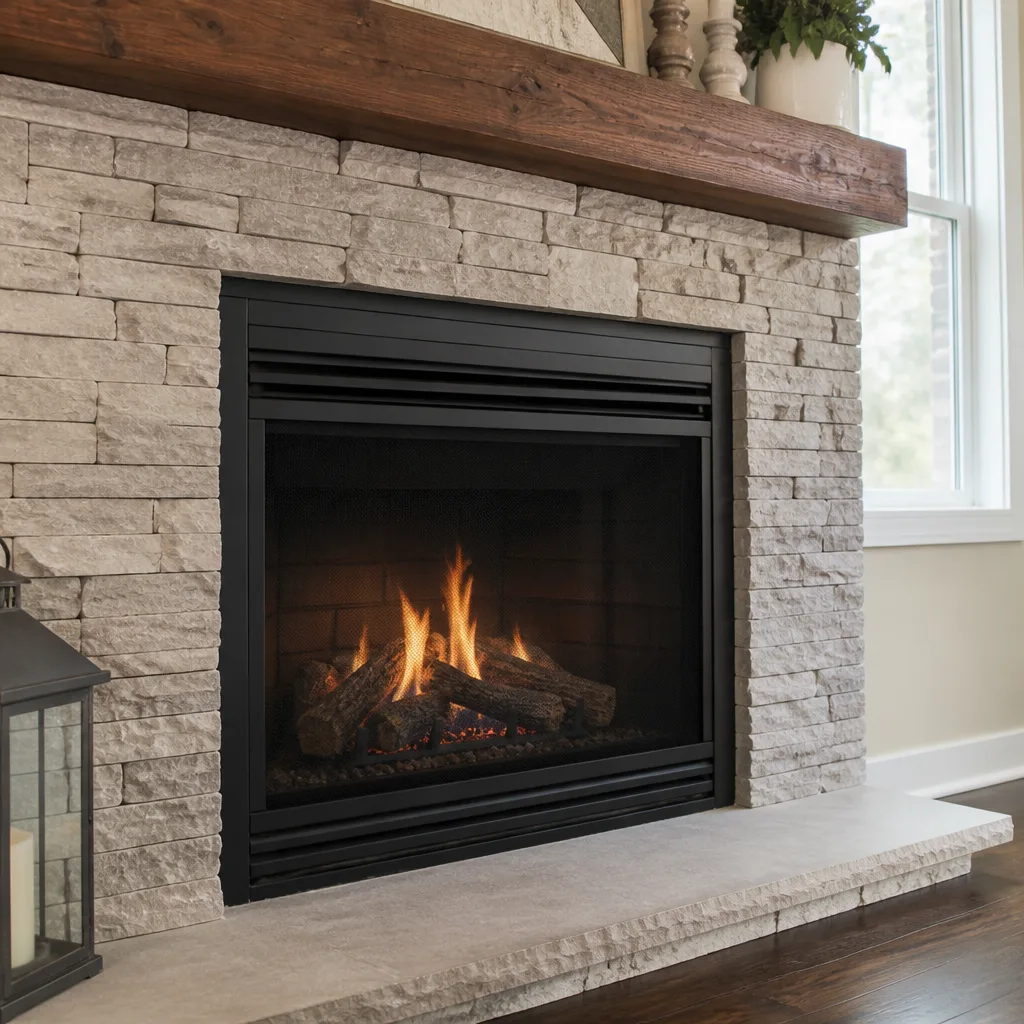 Gas fireplace service
Level 1 sweep and inspection to the NFPA 211 annual standard - flue, crown, cap, and flashing checked and photographed
Chimney sweep logs do not sweep chimneys. They loosen some creosote - which then falls where a brush and vacuum still have to collect it.
Chimney Cleaning Emergency Preparedness Guide for Garden Grove Homes
A chimney fire doesn’t always announce itself with flames out the top. Many burn hot and starve themselves out in minutes, leaving cracked flue tiles and glazed creosote behind without ever looking like an emergency from the living room. That’s the misconception worth correcting first: the fire you recognize is the easy case, and the one you miss is the one that causes trouble months later. In this guide we’ll cover what a chimney fire actually looks and sounds like, what to do in the first three minutes, how Santa Ana wind conditions raise combustion risk in Garden Grove, and how to build a service file that makes a future insurance claim or home-sale inspection go smoothly.
Quick Answer
Chimney emergency preparedness in Garden Grove means three things done before you need them: knowing the specific signs of a chimney fire in progress (roaring or tapping sounds, a sudden draft change, dense smoke from the top), knowing whether to call 911 or manage a small fire with a Class A extinguisher, and keeping a documented service file of inspection reports and photos. Any chimney that has had a fire should be inspected before the next burn. Santa Ana wind events are the time to check your chimney’s status, not the night smoke is backing into the room.
Styles & brands we work with
- Sweep & inspection
- Caps & crowns
- Flue relining
- Masonry repair
- Gas fireplace service
Table of Contents
- How to Recognize a Chimney Fire in Progress
- The First Three Minutes: 911 or Extinguisher?
- What a Post-Fire Level 2 Inspection Documents
- Building a Chimney Service File That Works
- How Santa Ana Winds Affect Draft and Combustion Risk
- Pre-Season Preparedness Checklist for Garden Grove
- Common Mistakes to Avoid
- When to Call a Professional
How to Recognize a Chimney Fire in Progress
A chimney fire is a combustion event inside the flue, and the flue is a confined space, so the sounds are often the clearest signal. Homeowners describe it as a low roar like a distant train, a rumbling that vibrates through the wall, or a rhythmic tapping and cracking. Those sounds usually come from creosote igniting in stages, not from the firebox itself. If you hear them, treat it as a chimney fire until a professional says otherwise.
Draft behavior is the second tell. A chimney that’s been drawing fine all evening may suddenly pull so hard that the firebox roars and the damper vibrates. Or the opposite: smoke that was rising normally starts puffing back into the room because the flue is choked by combustion gases and soot. Watch the top of the chimney too. Normal wood smoke is thin, gray, and drifts. A chimney fire often produces dense, dark smoke and, in some cases, sparks or visible flame from the crown.
From outside the house, check for these patterns:
- Dense dark or black smoke from the flue rather than the thin gray plume you’d expect from a wood fire.
- Sparks or embers rising above the cap and landing on the roof.
- A visible glow or flame at the top of the chimney, even a brief one.
- Discolored or warped chimney cap, or a heat smell in the attic or on the roof.
- Puffy or cracked creosote visible from the ground, which can indicate a past fire you didn’t know happened.
In our experience, the fire that goes unrecognized is often a small, hot creosote burn in the smoke chamber that leaves glazed deposits and hairline cracks you’d only see with a camera. That’s why a sweep isn’t just cleanup: it’s the inspection that catches what the last fire left behind. If you suspect a past fire, the right next step is a proper chimney sweep with a camera inspection of the flue and smoke chamber.
The First Three Minutes: 911 or Extinguisher?
The rule of thumb is simple: if there is visible fire at the top of the chimney, smoke filling the room, or the fire has spread beyond the firebox, call 911 immediately and get everyone out of the house. A chimney fire can flash across a roof in minutes. Do not wait to see if it settles down, and do not try to fight it from inside.
If you’re seeing the early signs of a small chimney fire and there is no flame out the top and no smoke in the room, a Class A extinguisher can be used on the firebox if you can safely reach it. A Class A extinguisher handles ordinary combustibles like wood and paper. Never use water on a hot chimney fire because the thermal shock can crack tiles and send steam and debris into the room. And never close the damper on a fire in progress: the flue needs to vent, and closing it forces smoke and pressure back into the house.
Here is the sequence we recommend teaching every adult in the home:
- Get everyone out. Call 911 if you see flame or heavy smoke at the top of the chimney or smoke in the room.
- Close the firebox doors or the glass front if it can be done without exposing anyone to smoke.
- Use a Class A extinguisher only on a small fire you can safely reach. Never water, never sand.
- Do not close the damper. Let the flue vent.
- After the fire is out, don’t light another fire. The flue must be inspected before it’s used again.
Why the last step matters: a small fire can crack a flue tile or open a joint, and the next fire sends carbon monoxide and smoke through that crack into the attic or wall cavity. Carbon monoxide is odorless, so you won’t know until someone feels sick. That’s the reason every chimney with a suspected fire needs a professional inspection, and it’s the reason we treat “the fire was small” as a signal to look, not a reason to skip it. Call us at (877) 770-1311 to book a post-fire inspection. We answer 24/7, and a call outside dispatch hours is booked into the next opening, Sunday through Friday, 7am to 7pm.
What a Post-Fire Level 2 Inspection Documents
A Level 2 inspection is the industry’s camera-and-visual inspection of the entire chimney system: firebox, damper, smoke chamber, flue interior, chimney exterior, cap, and crown. After a fire, it’s the documentation standard most insurance companies want before they’ll approve a repair claim, because it establishes the fire’s extent and distinguishes fire damage from pre-existing wear.
What the report should contain when it’s done right:
- Camera footage of the flue at every level, showing cracked, spalled, or missing tiles and any glazed creosote.
- Measurements of flue size and condition that determine the right relining spec.
- Photos of the damper and smoke chamber, where a lot of hidden fire damage shows up first.
- Exterior photos of the crown, cap, and masonry joints for signs of heat stress.
- A written summary that separates damage from normal wear, so the claim adjuster knows what to look at.
This is where trade-grade materials matter. If the flue is damaged and needs relining, a flexible chimney repair system like DuraFlex is the standard tool for structural relining, and HeatShield resurfacing can often restore a damaged flue interior without a full liner replacement. Most sweep-only companies don’t carry either. We use the same professional-grade materials – DuraFlex, HeatShield, Copperfield – that certified chimney specialists rely on nationwide, which means the fix is documented, spec’d, and matched to your chimney’s actual condition.
Building a Chimney Service File That Works
The single most useful thing a homeowner can do for chimney emergencies is to keep a service file. Ours is simple: a folder (paper or cloud) holding every inspection report, sweep receipt, camera photo, liner spec sheet, and cap or crown installation record. When you need it for an insurance claim, a home sale inspection, or a contractor’s second opinion, it takes five minutes to pull, not five weeks to rebuild.
What to include, in order:
- Dated sweep and inspection reports – the date, the technician’s findings, and the camera images if the company provides them.
- Photos you take yourself of the firebox, the top of the chimney, and the cap, once a season.
- Liner and material documentation – the spec sheet for the DuraFlex, Olympia Chimney, or Famco liner if one was installed.
- Cap and crown installation records with photos of the finished product.
- A short household note of the last time the chimney was used and how it performed.
In our experience, homes that have this file get claims approved faster and pass pre-sale inspections with less back-and-forth. Homes that don’t end up paying for a re-inspection to prove what should have been documented years earlier. If you’ve never had a professional inspection, the first step is a documented one – the Chimney Sweep Garden Grove guide on our main service page walks through what that visit includes.
How Santa Ana Winds Affect Draft and Combustion Risk
Santa Ana winds are the local variable that most preparedness advice ignores. When dry, gusting offshore wind from the interior hits Garden Grove, it changes how a chimney drafts. A gust across the top of the flue can create a downdraft that pushes smoke back into the room. A sustained crosswind can slow or reverse normal draw. And the same low humidity that comes with these events dries out any creosote in the flue, which is exactly the fuel a chimney fire feeds on.
During a Santa Ana event, we recommend three simple checks:
- Watch the draft on the first fire. If smoke backs into the room, open a window slightly on the windward side and check the damper. If it still backdrafts, stop and call.
- Skip the fire on peak gust days if the cap is loose, the crown is cracked, or you’ve had creosote buildup. The wind is the least forgiving time to light one.
- Check the cap and crown visually from the ground. A loose cap in high wind is a water-and-ember entry point, and the crown is the first line of defense against rain that follows.
Elevated fire danger is also the point to do a status check, not wait for a failure. Garden Grove homes near the Santa Ana River corridor and older neighborhoods with original chimneys tend to see more of these effects because the flues are narrow and the masonry has had more years to settle. A cap and crown installation done right – and we install them to spec – is the cheapest way to close the entry points Santa Ana winds exploit. If your fireplace repair needs are really about draft and backdraft, the fix is usually at the cap, not the firebox.
Pre-Season Preparedness Checklist for Garden Grove
The cleanest chimney emergency is the one you prevented in the off-season. Before the first cool evening, run through this checklist once. It’s the same list we’d walk through on a professional inspection, minus the camera.
- Schedule a professional sweep and inspection if it’s been more than a year or since the last fire.
- Test the smoke and carbon monoxide alarms on every level, and replace batteries.
- Look at the cap and crown from the ground. No cracks, no rust-through, no missing screens.
- Check the firebox for loose brick, cracked mortar, or a warped grate.
- Confirm the damper opens and closes fully and isn’t blocked by debris.
- Buy or check a Class A extinguisher and store it within reach of the hearth, not in the garage.
- Write down your service history and add this year’s planned sweep date to your calendar.
If you’re in a rental or a recently purchased Garden Grove home, ask the seller for the service file before closing. A chimney that’s never been inspected is a question mark, and the cost of finding out before you move in is small next to the cost of finding out during a fire or a claim.
Common Mistakes to Avoid
- Assuming a small fire was harmless. The fire that leaves hairline cracks in a flue tile is often the one that never looked dramatic. Any suspected fire means an inspection before the next burn.
- Closing the damper to smother a chimney fire. The flue needs to vent; closing it forces smoke and pressure into the house. Close the glass doors, not the damper.
- Fighting a fire with water or sand. Water causes thermal shock that can crack tiles, and neither water nor sand is the right tool. A Class A extinguisher, and only on a small fire you can safely reach.
- Lighting a fire during a strong Santa Ana wind event after a season of creosote buildup. The wind is the worst possible test of a marginal flue.
- Skipping the service file. Homeowners who can’t document when the last inspection happened pay for a re-inspection and sometimes a delay in a claim.
- Letting a big-box liner be installed without a spec fit. Flexible liners like DuraFlex, Olympia Chimney, and Famco are sized to your flue; a generic substitute is not the same repair.
- Putting off a cracked crown. The crown is what keeps rain out of the masonry. A crack that’s cheap to seal in the dry months becomes a masonry repair once the rain gets in.
When to Call a Professional
Call a professional if you’ve had any chimney fire, even a small one you think is out. Call if smoke backs into the room when you light a fire, if the draft has changed, if you smell a strong creosote or asphalt odor, or if the cap or crown looks loose or cracked. Call if the chimney hasn’t been inspected in over a year, if you’re preparing a home for sale, or if you’re starting a new heating season in an older Garden Grove home with an unfamiliar chimney. And call if your insurance company needs a documented Level 2 inspection. Chimney Sweep Garden Grove offers free estimates in Garden Grove – call (877) 770-1311. We answer 24/7. Fast dispatch from 7am to 7pm, Sunday through Friday. One call covers the full picture: inspection, cleaning, repair, and protection.
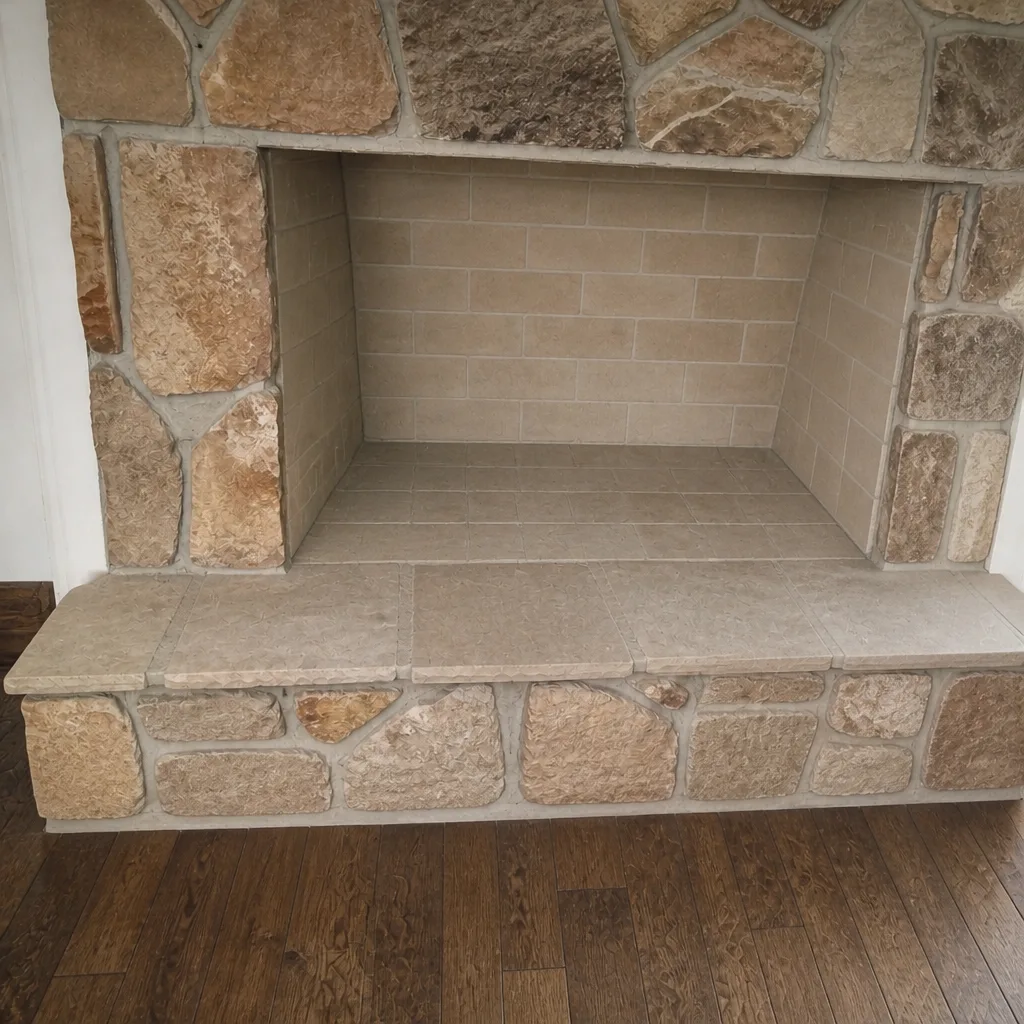
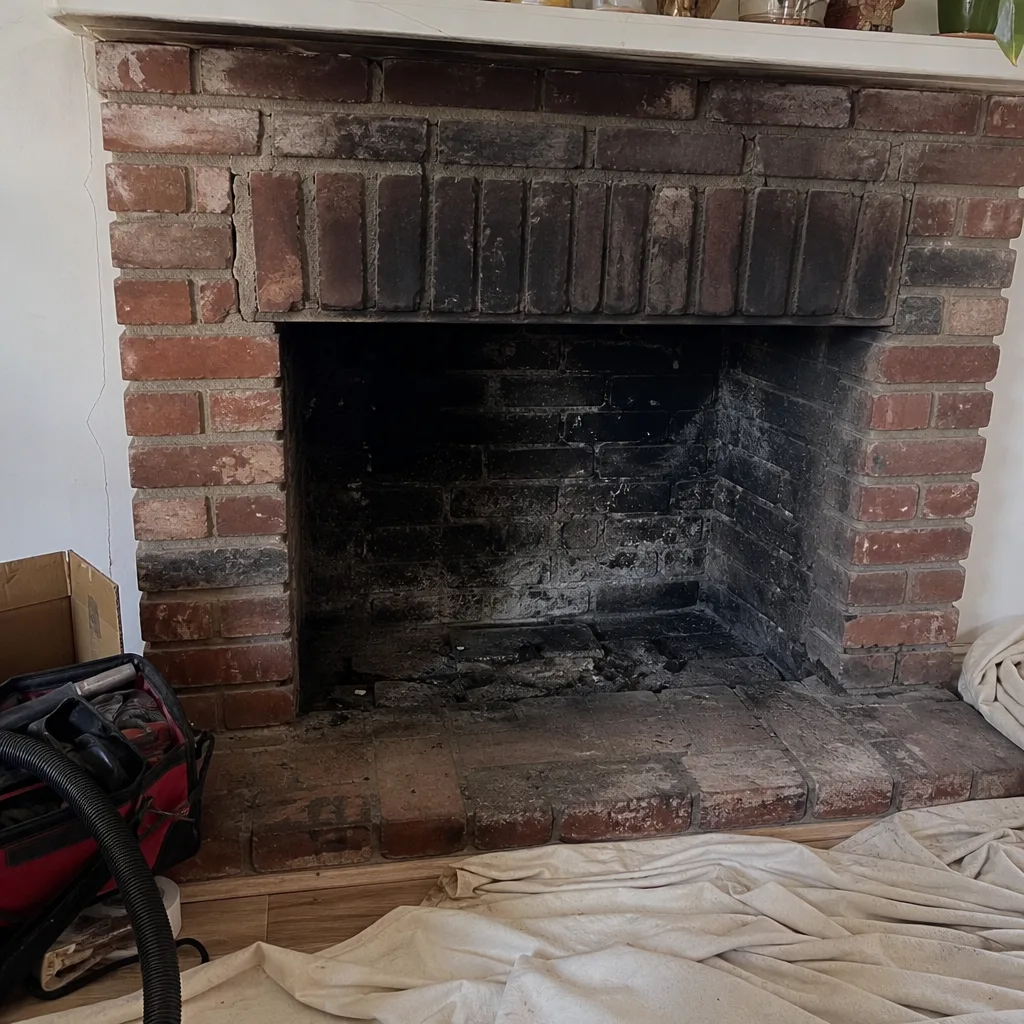
See the difference
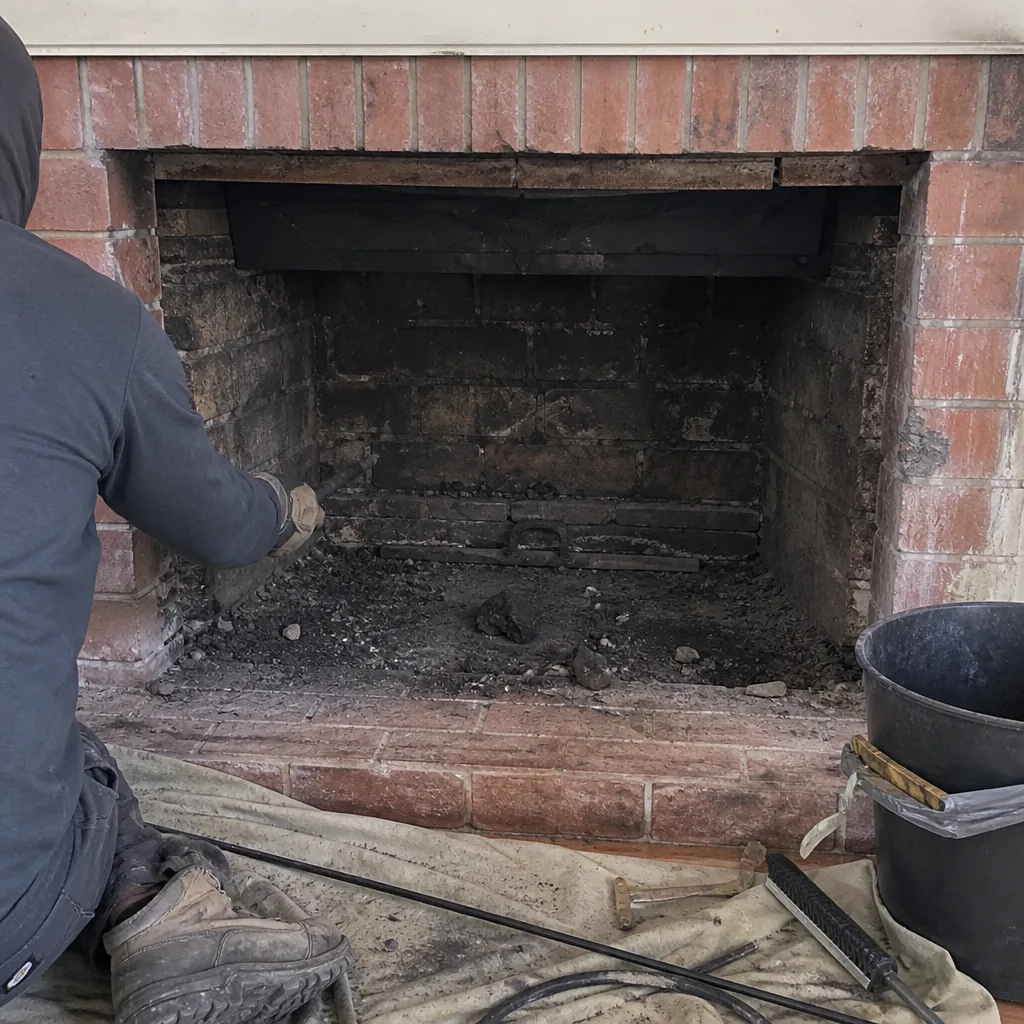 Before
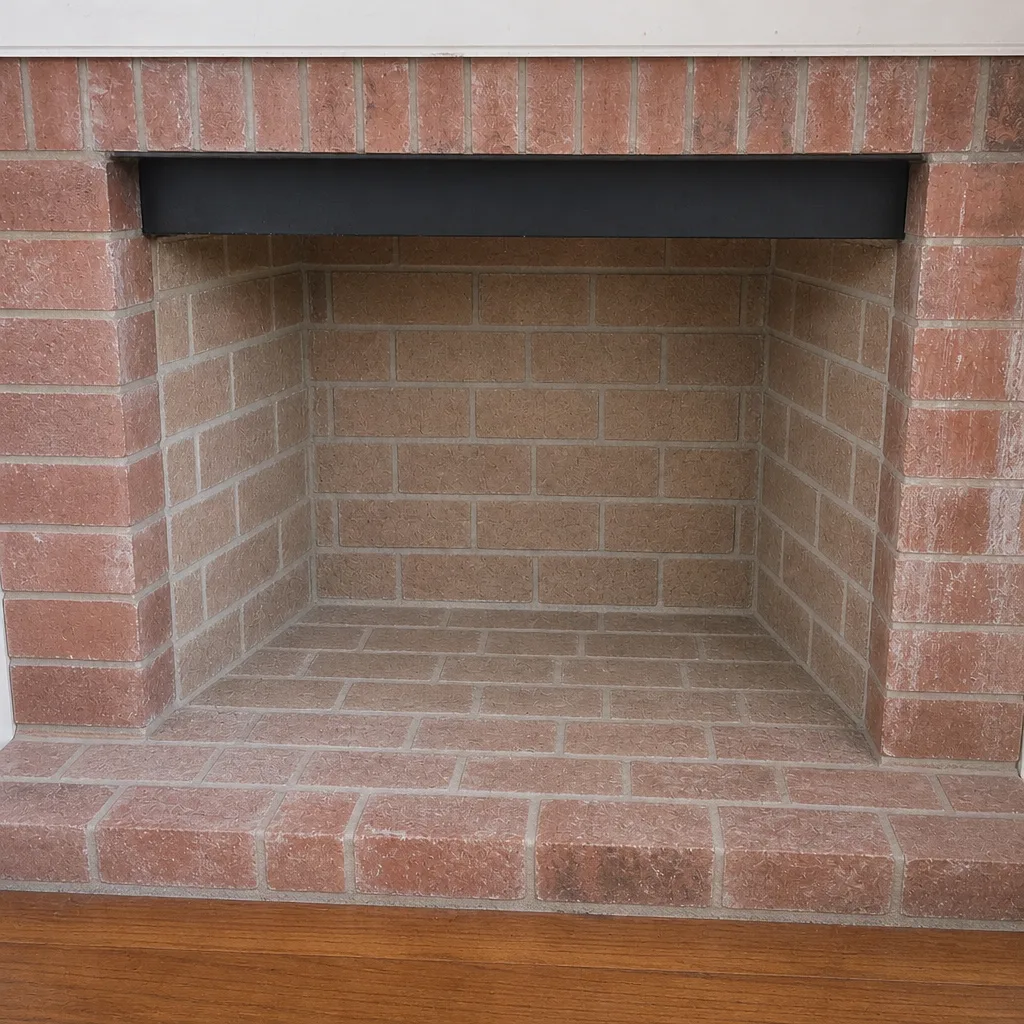 After
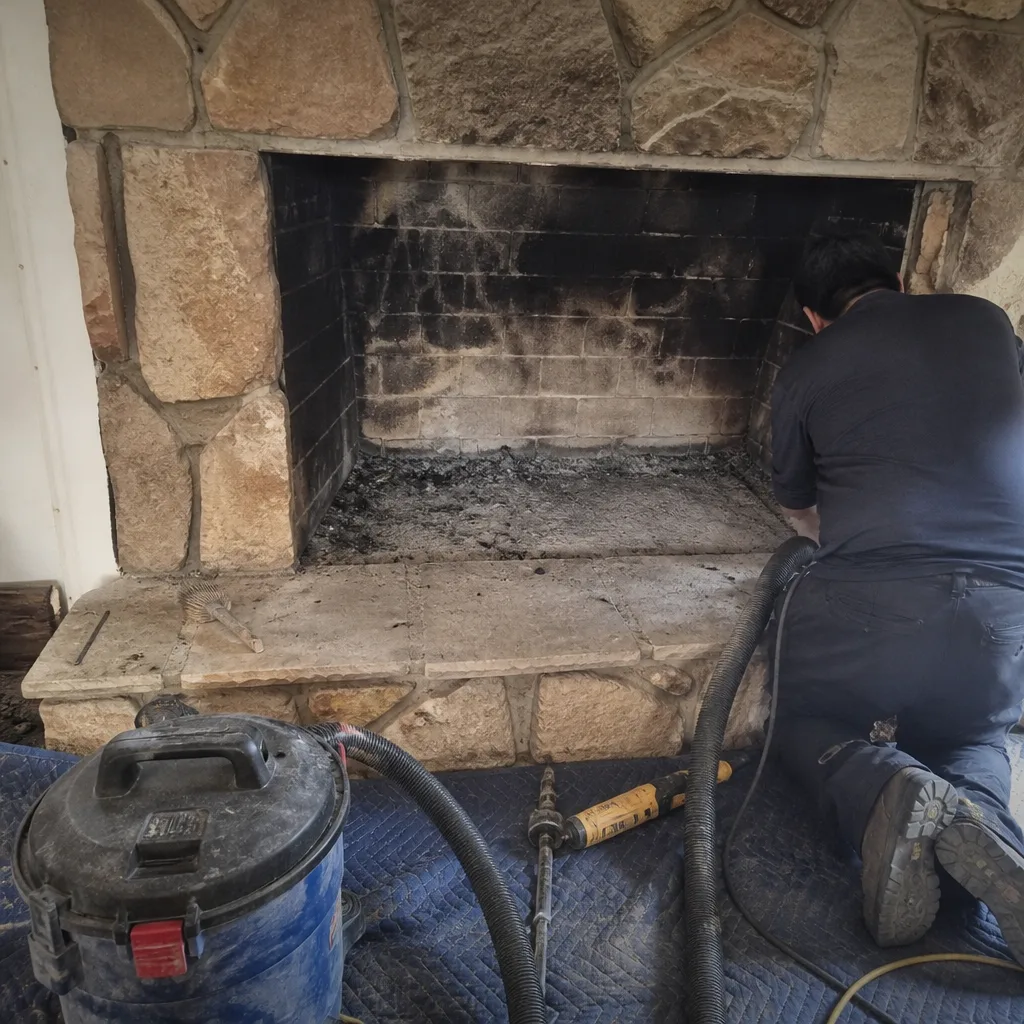 Before
 After
 Before
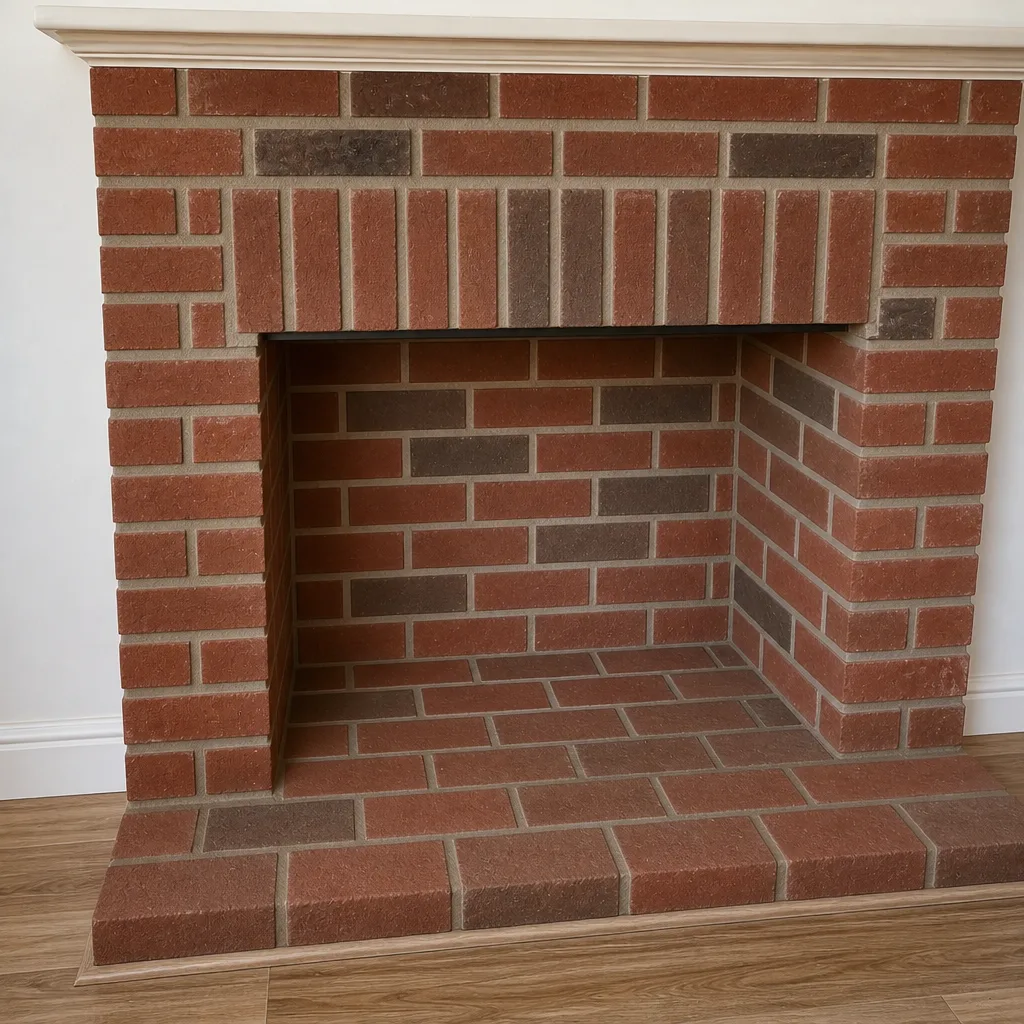 After
Frequently Asked Questions
It usually sounds like a low roar, a rumbling or tapping in the wall, or a crackling that’s louder than the firebox itself, and it may vibrate through the wall. If you hear those sounds, treat it as a chimney fire and get everyone out while you call 911.
Yes. A small fire can crack a flue tile or open a joint, and the next fire can send carbon monoxide and smoke through that crack into the house. Don’t light another fire until a professional has inspected the flue with a camera. Call (877) 770-1311 for an exact quote – estimates are free.
The standard recommendation is once a year, and more often if you burn frequently or notice draft problems. In Garden Grove, the dry season and Santa Ana wind events are a good reminder to check the cap and crown before the first fire of the year.
Keep every dated inspection report, sweep receipt, camera image, liner spec sheet, and cap or crown installation record. An insurance company usually wants a Level 2 inspection report after a fire, and a complete service file makes the claim simpler.
Yes. Gusting offshore wind can create a downdraft that pushes smoke back into the room, and low humidity dries out creosote in the flue, raising fire risk. During a strong Santa Ana event, watch the draft on the first fire, and skip lighting one if the cap or crown is damaged.
Only on a small fire you can safely reach and only with a Class A extinguisher. If you see flame at the top of the chimney, heavy smoke in the room, or a fire that’s spread beyond the firebox, call 911 and get everyone out.
We answer 24/7. A call outside dispatch hours is booked into the next opening, Sunday through Friday, 7am to 7pm.
The Bottom Line
Chimney emergency preparedness comes down to recognizing the fire you might miss, knowing what to do in the first three minutes, and keeping a service file that documents what the chimney has been through. In Garden Grove, the dry months and Santa Ana wind events are reminders that draft changes and creosote buildup deserve a check before the first fire, not after a scare. HeatShield resurfacing can restore a damaged flue without the cost of a full rebuild, and DuraFlex relining handles real structural damage when it’s found. We tell you what your chimney actually needs – not what generates the largest invoice. Call (877) 770-1311 for a free estimate.
Written by the team at Chimney Sweep Garden Grove.